REACH Compliance for Plywood: What the August 2026 Formaldehyde Limit Means for Film-Faced Panels
REACH Annex XVII Entry 77 is in force across the EU: wood-based article formaldehyde capped at 0.062 mg/m3 on EN 717-1. PF vs core MUF film-faced map, EU import docs, Vinawood Pro Form / Pro Form Lite / HDO path.
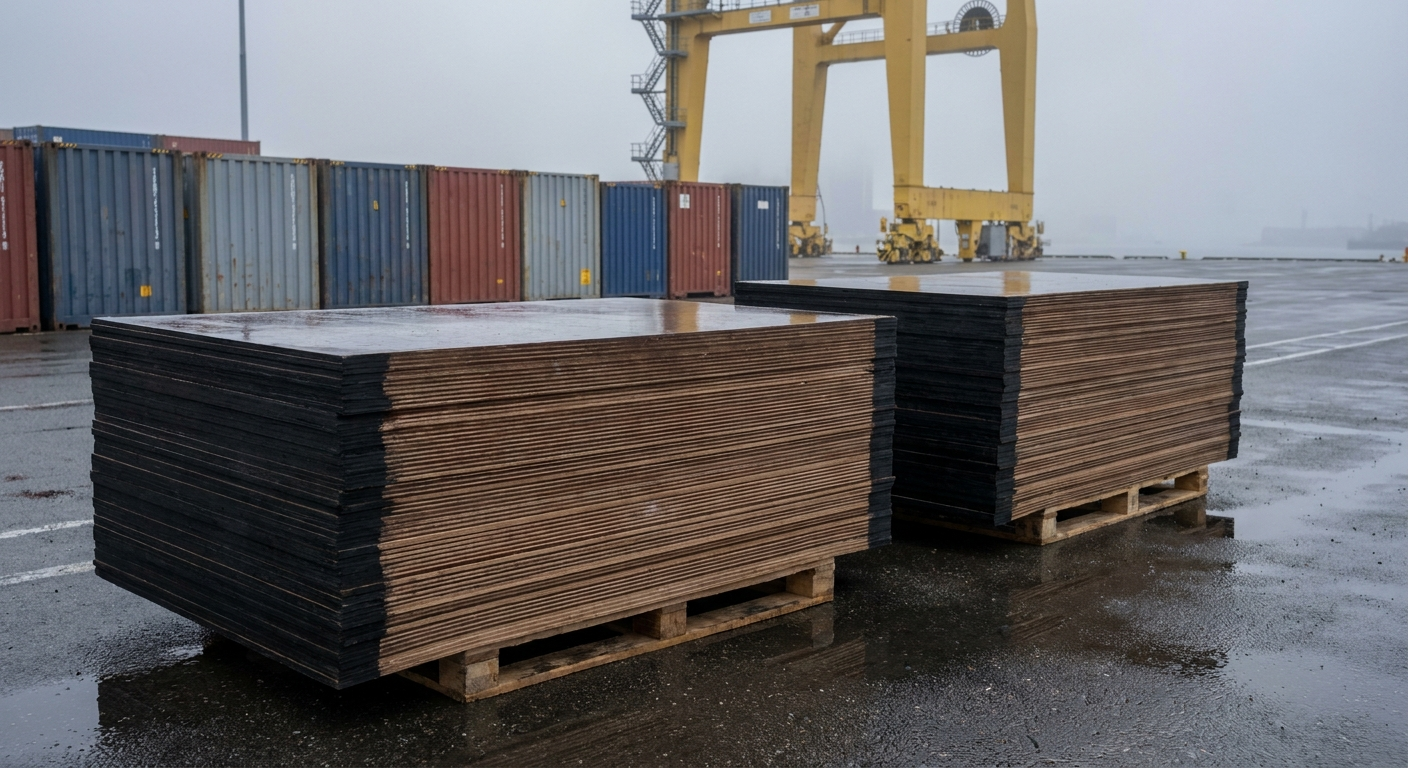
REACH Annex XVII Entry 77 is now live across the EU-27. Wood-based articles placed on the market — including film-faced plywood — must stay at or below 0.062 mg/m³ formaldehyde on the EN 717-1 chamber test. That is roughly half the old voluntary E1 ceiling and lines up with the Japanese F**** tier. There is no grace period. A CE EN 13986 Declaration of Performance alone does not satisfy Annex XVII.
This guide covers what Entry 77 requires now that the 6 August 2026 start date has passed, how EN 717-1 works, what changes by adhesive class for film-faced panels, which documents EU buyers should request on every container, and what market surveillance can do. Vinawood has manufactured plywood in Vietnam since 1992 and ships to 55+ countries, including all 27 EU member states plus the UK. Below is the honest map of which film-faced lines sit on phenol-formaldehyde chemistry that already clears the live ceiling, and which core melamine-urea-formaldehyde (MUF) lines still sit in qualification.
Entry 77 is in force — what that means today
The countdown is over. From 6 August 2026, an article that fails the Entry 77 ceiling cannot legally be placed on the EU market in any of the 27 member states. Soft transition tiers do not exist. Responsible suppliers now ship a separate Annex XVII compliance declaration alongside the Declaration of Performance, because CE marking under EN 13986 covers structural and durability performance, not this REACH restriction.
Member-state market surveillance authorities enforce. Tools include product withdrawal, customs holds at the port of entry, and fines that scale by national law, volume and repeat offences. Panels placed on the market before 6 August 2026 stay outside Entry 77. Every shipment landing on or after that date is in scope.
What REACH is — and what it is not
REACH (Registration, Evaluation, Authorisation and Restriction of Chemicals) is Regulation (EC) No 1907/2006, the EU's central chemicals framework since 2007. Four pillars carry it: registration of substances above one tonne per year per manufacturer or importer; evaluation by ECHA and member-state authorities; authorisation of high-risk substances for specific uses; restriction of substances that pose unacceptable risk under Annex XVII.
Buyers often mix REACH with neighbouring regimes. CLP handles hazard labelling on chemicals and mixtures, not articles. CE marking under EN 13986 covers structural and durability performance. EUDR is a separate due-diligence regime. Annex XVII Entry 77 applies to the panel as an article whether or not the buyer also needs CE or EUDR paperwork. This article stays on formaldehyde; EUDR has its own Vinawood pages.
Annex XVII Entry 77 — the two ceilings
Commission Regulation (EU) 2023/1464 of 14 July 2023 added formaldehyde as Entry 77 to Annex XVII. Two ceilings, two article categories:
- 0.062 mg/m³ — furniture and wood-based articles. Effectively E0.5 / F**** equivalent.
- 0.080 mg/m³ — other articles (textiles, leather, polymer-based products).
Film-faced formwork plywood sits in the wood-based category. The 0.062 mg/m³ figure is the one that matters for EU-bound containers of pour panels.
Why 0.062 mg/m³
The threshold traces back to WHO indoor air quality guidance on formaldehyde. ECHA's committees issued opinions in 2020–2021 supporting a tighter wood-panel threshold. The previous voluntary E1 tier at 0.124 mg/m³ was widely met; the mandatory tier roughly halves it. The European Panel Federation has publicly pointed to a resin reformulation cost premium that varies by adhesive class and pressing technology. From a mill that ships into the EU, that tracks what we see when reformulating MUF gluelines for European-bound containers. The chemistry change is real. Not a paperwork exercise.
EN 717-1 — the chamber test that decides compliance
EN 717-1 is a 28-day equilibrium chamber test under controlled conditions: 23 ± 0.5 °C, 45 ± 3% relative humidity, loading factor 1 ± 0.02 m²/m³. Sample edges are sealed during conditioning so the reading focuses on face emission. Air drawn from the chamber is analysed for formaldehyde. The 28-day equilibrium value is the legal compliance figure.
ECHA recommends EN 717-1 for wood-based panels. EN 16516 is also permitted under Regulation (EU) 2023/1464, but it typically reads 20–30% higher on the same panel. Near 0.062 mg/m³, method choice can decide pass or fail. Mills shipping into the EU under the live Entry 77 rule default to EN 717-1. Faster proxies (EN ISO 12460-3 gas analysis, EN ISO 12460-5 perforator) help in-process QC. Neither is the document customs will accept as the compliance report.
What changes by adhesive — PF vs core MUF
Plywood compliance under Annex XVII tracks almost entirely from the adhesive system. The film overlay matters too — a heavier phenolic face film on both faces reduces measured emission by sealing the face against air exchange — but the resin is the foundation. Name the chemistry carefully: core MUF means melamine-urea-formaldehyde adhesive in the glueline; phenolic face film is the overlay pressed onto the faces; decorative laminate is a third, unrelated use of the word "melamine". A bare "melamine panel" label is useless for a buyer reading Entry 77.
Phenol-formaldehyde (PF) bonded panels
Vinawood Pro Form, Pro Form Lite and the HDO range all sit here. PF cures into a chemically stable thermoset. Free formaldehyde release after cure is very low. EN 717-1 chamber readings on these products sit comfortably below 0.062 mg/m³. From an Annex XVII standpoint, PF-bonded film-faced plywood is the straightforward path under the live ceiling. These are Vinawood's recommended specifications for EU buyers who need EN 636-3 / Class 3 panels with settled paperwork.
Core MUF bonded film-faced panels
Form Basic, Form Extra and Eco Form Plus use melamine-urea-formaldehyde adhesive in the glueline (EN 636-2 / Class 2). Standard commodity-MUF recipes across the global panel industry often test between 0.07 and 0.12 mg/m³ on EN 717-1 — above the live ceiling. Reaching 0.062 mg/m³ on a MUF system needs a tighter resin recipe: higher melamine-to-urea ratio, lower F:U mole ratio, formaldehyde scavengers in the glueline, and a conscientious phenolic face film with sealed edges through to the chambered panel.
Vinawood's reformulated MUF batches for these film-faced lines are in qualification. EU buyers who need Class 2 panels with verified Annex XVII compliance should request the latest batch test report from the Vinawood technical team before ordering. Where the application envelope allows a step up, specify Pro Form or Pro Form Lite (Class 3 phenolic) as the path with settled paperwork — same panel sizes, bond class moved to PF where compliance is already cleared. Consply is commercial Bintangor plywood, not a film-faced pour panel, and does not belong in this formwork qualification list.
What a compliant EN 717-1 report should show
A buyer-side checklist for the chamber report a non-EU mill should supply with shipments under the live Entry 77 rule:
- Test method: EN 717-1, 28-day equilibrium reading.
- Chamber conditions: 23 ± 0.5 °C, 45 ± 3% RH, loading factor 1 ± 0.02 m²/m³.
- Result: below 0.062 mg/m³.
- Date: within 12 months of the shipment date. Older reports are typically rejected.
- Lab accreditation: ENAC, COFRAC, DAkkS, AKKREDIA or equivalent ISO/IEC 17025 accreditation.
- Batch traceability: report references a production batch number that ties back to the packing list.
- Sample preparation: standard edge sealing per EN 717-1 — no special conditioning that would understate emission.
Article 33 SVHC — the quieter parallel duty
Annex XVII is the headline restriction. Article 33 of REACH is a quieter parallel duty: any supplier of an article containing a Substance of Very High Concern above 0.1% w/w must notify business customers with identification, concentration and safe-handling information. ECHA updates the Candidate List roughly every six months. For standard plywood, most listed substances do not appear in the chain. The duty is in the monitoring when a new SVHC could affect resin, coatings or preservatives. Vinawood maintains SVHC monitoring and provides Article 33 status declarations on request with EU-bound shipments.
CE / EN 13986 vs Annex XVII
CE marking under EN 13986 requires a Declaration of Performance covering structural and durability characteristics: bond class under EN 314, bending and shear under EN 310 and EN 789, formaldehyde emission tier (E1 by default under EN 13986), reaction to fire under EN 13501-1, and others as relevant. The formaldehyde portion of the EN 13986 DoP still often references E1 (0.124 mg/m³) as the standard tier.
Under the live Entry 77 rule, the EN 717-1 chamber result must also satisfy Annex XVII at 0.062 mg/m³. A panel can be CE-marked at E1 and still fail Annex XVII at customs. EU buyers and importers should expect both documents on every shipment: the Declaration of Performance for CE, and a separate Annex XVII compliance declaration referencing the EN 717-1 report.
I still see purchase packs that treat the DoP as the whole compliance file. It is not. Entry 77 sits beside CE, not inside it.
Document checklist for EU imports under Entry 77
What an EU plywood buyer should request from any non-EU supplier, every container, now that Entry 77 is in force:
- Declaration of Performance under EN 13986 (CE marking basis).
- EN 717-1 chamber test report, dated within 12 months, batch-referenced, from an ISO/IEC 17025-accredited laboratory, result below 0.062 mg/m³.
- REACH Annex XVII Entry 77 compliance declaration, signed by the manufacturer or supplier, explicitly referencing that test report.
- EUR.1 certificate of origin for EVFTA-eligible Vietnamese plywood (zero EU import duty).
- FSC or PEFC chain-of-custody certificate if sustainability claims are made or EUDR documentation is shared.
- Article 33 SVHC status declaration, even when no SVHC above 0.1% w/w is present.
- CARB Phase 2 or EPA TSCA Title VI certificate if the same panels also ship to North America.
The most common customs hold risk early in enforcement is a missing or out-of-date Annex XVII test report. Building the package before the container sails beats reacting to a port hold later.
What non-compliance looks like
Enforcement falls to member-state market surveillance authorities. The toolkit is familiar from earlier Annex XVII entries: seize panels at port of entry, order withdrawal with the recall on the importer, and issue fines that vary by national law. Public registers add reputational impact. Exact fine tallies and case counts are not invented here — authorities publish their own registers.
Enforcement is not retroactive. Panels placed on the market before 6 August 2026 are unaffected. EU importers carry primary legal responsibility under REACH. Credible suppliers arrive with documentation ready, not after a hold notice.
For the broader formaldehyde-standards landscape including NAF and CARB tiers, see the formaldehyde-free plywood buyer's guide. For glue chemistry vs face film in plain language, see melamine vs phenolic film-faced plywood. For the wider Vietnam-export certification picture, see top certifications for Vietnam plywood exports.
About Vinawood — RFQ
Vinawood has manufactured plywood in Vietnam since 1992 and exports film-faced and structural plywood to 55+ countries, at about 5,000 containers per year across 30+ years of continuous production. For EU buyers who need settled Annex XVII paperwork on film-faced formwork under the live Entry 77 ceiling, three product families sit on PF chemistry and are the recommended path:
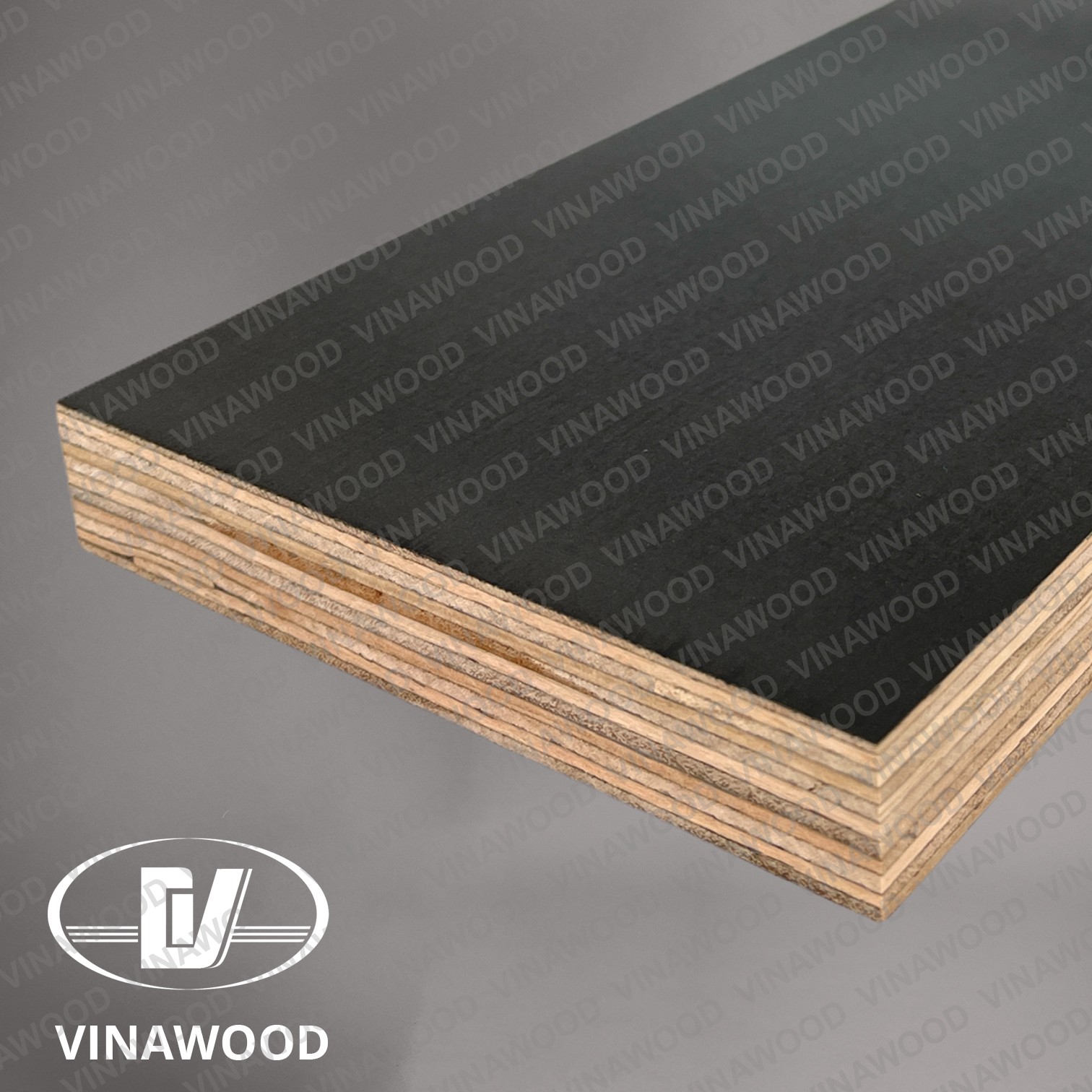
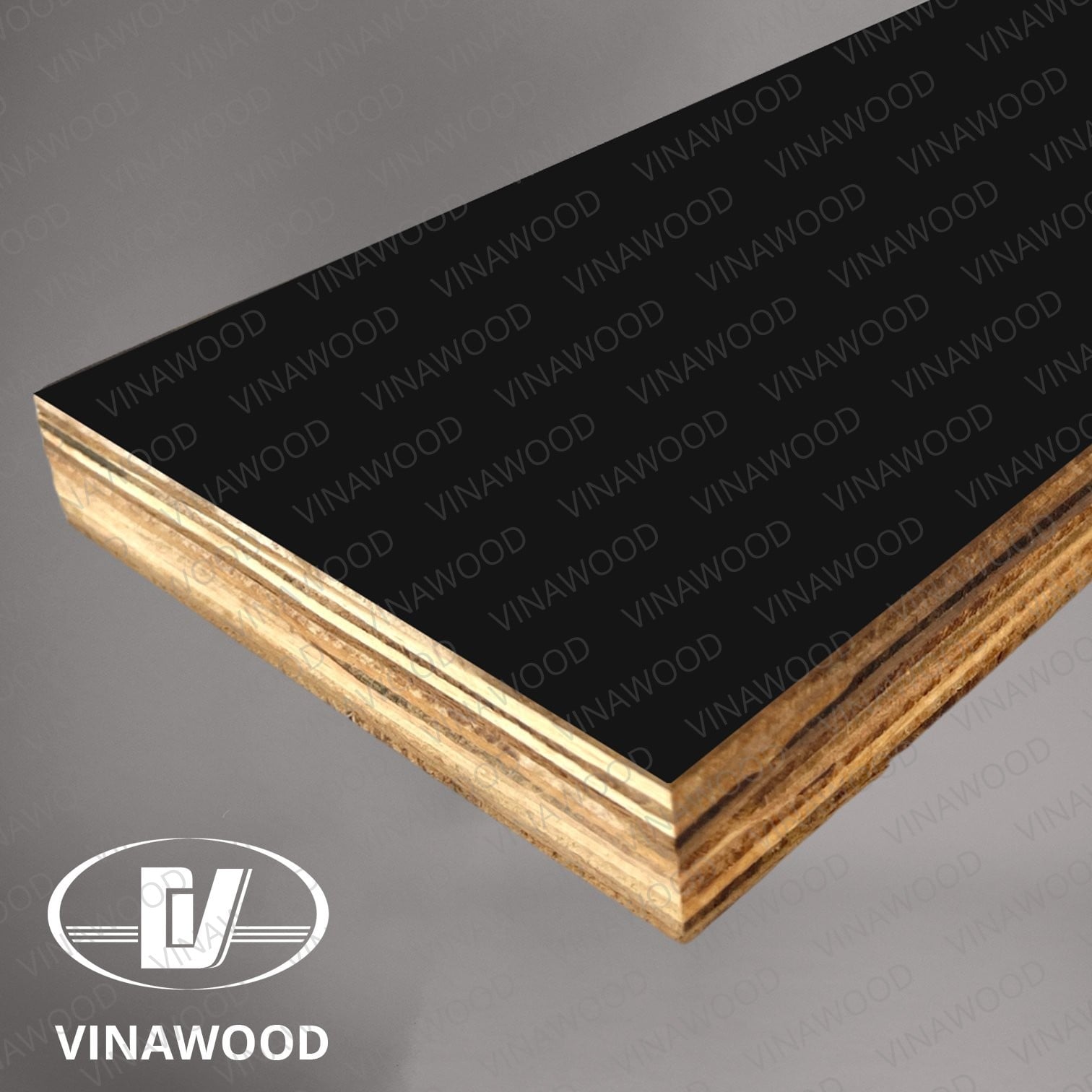
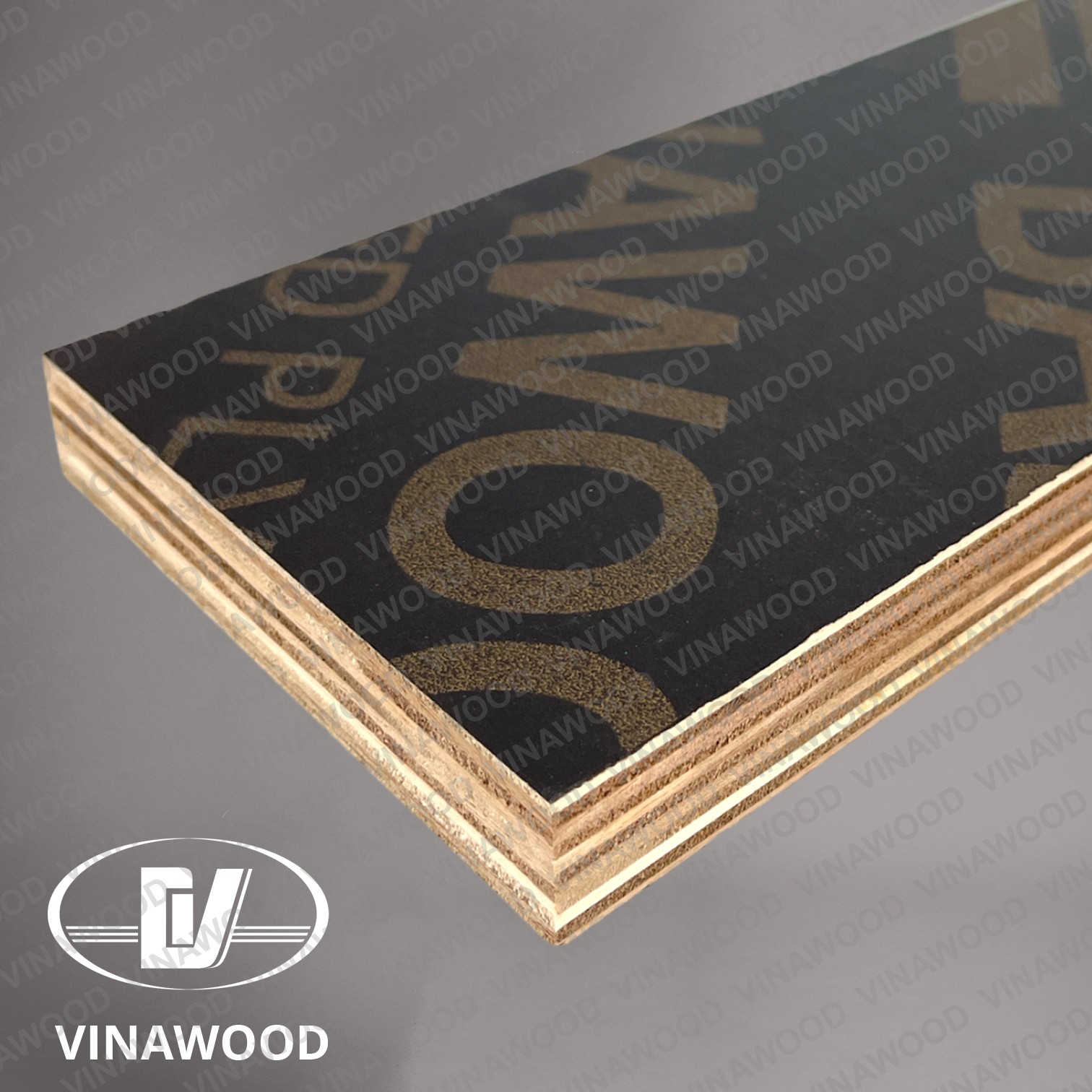
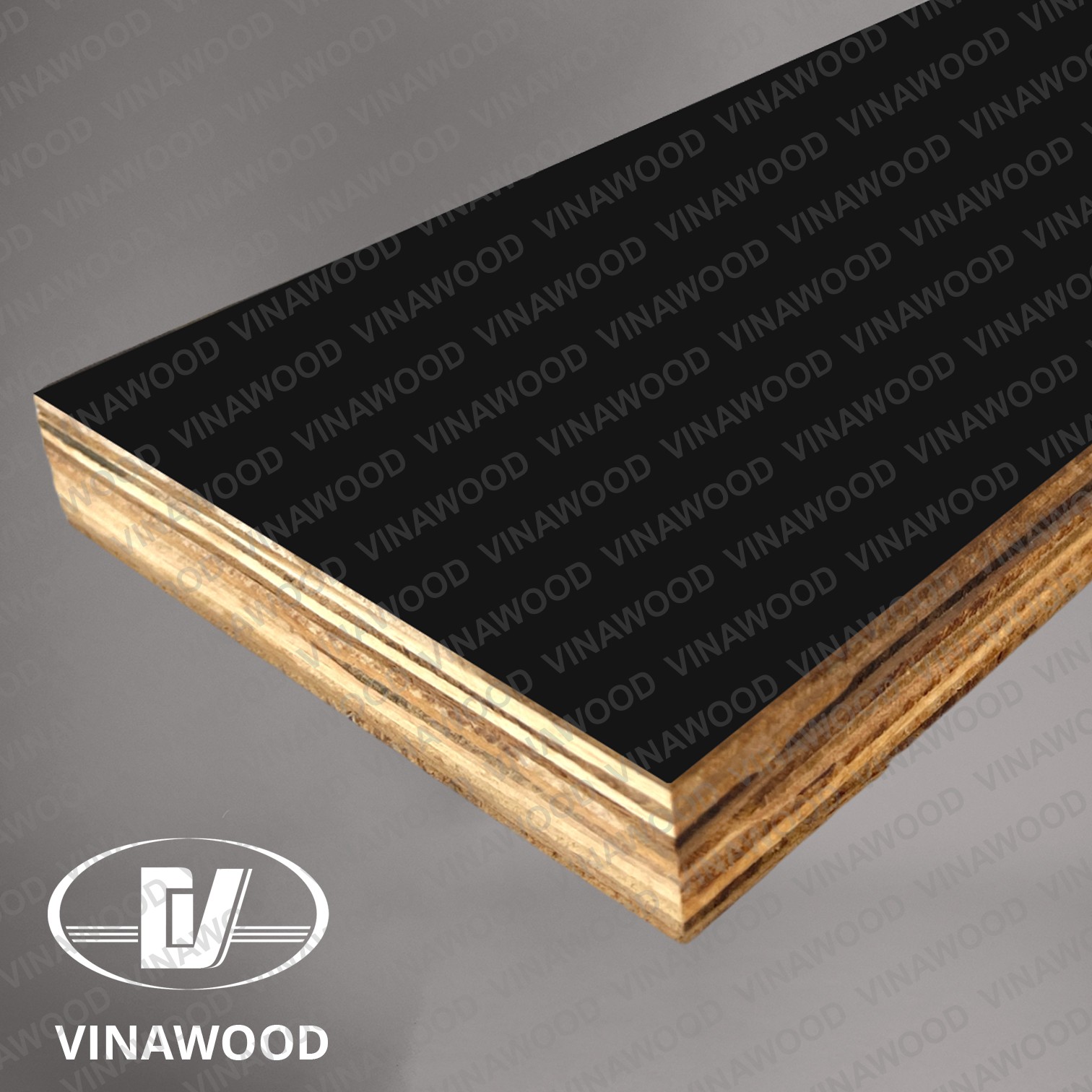
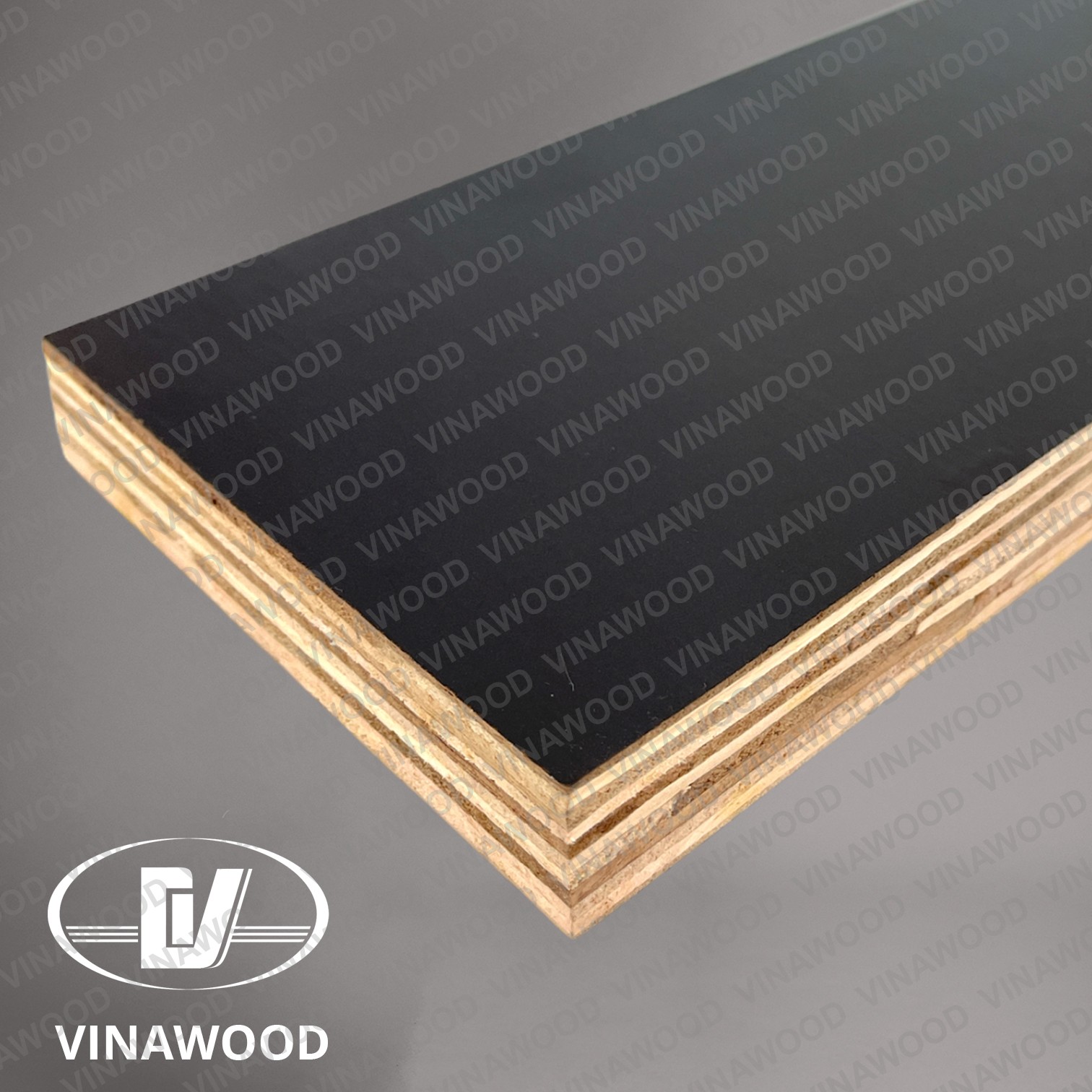
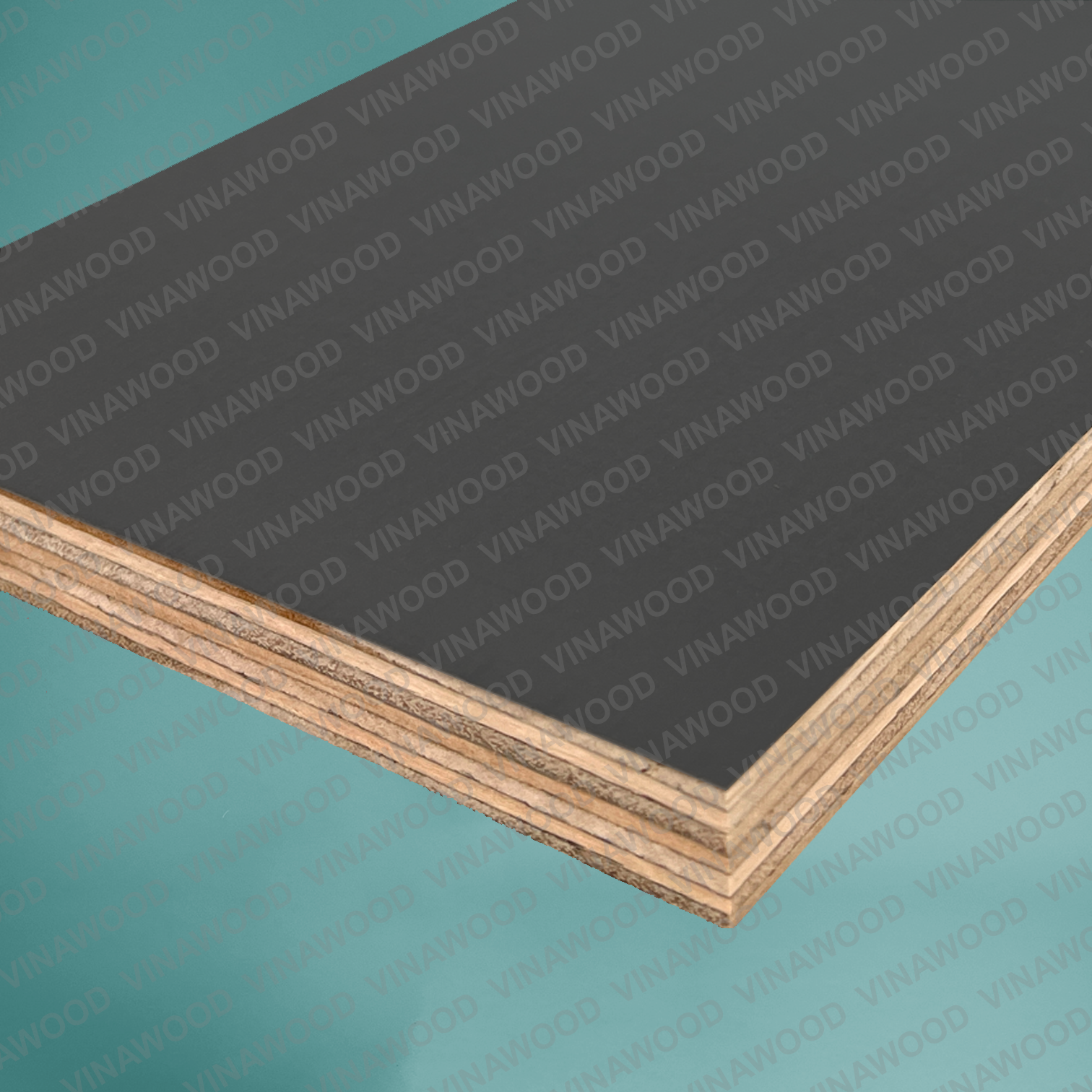
- Pro Form — WBP phenolic (water-resistant, not waterproof), EN 636-3 / Class 3, up to 20 reuse cycles, plantation-grown core, the established premium phenolic film-faced panel.
- Pro Form Lite — PF / EN 636-3 / Class 3, phenolic face film at 165 g/m², positioned between Form Extra and Pro Form, up to 15 reuse cycles, available in 2500×1250 mm (EU) and 2440×1220 mm formats.
- HDO range — WBP phenolic, EN 636-3 / Class 3, heavier phenolic overlay for fair-face concrete and high-rotation forming.
All three lines are PF-bonded, sit below the 0.062 mg/m³ ceiling on EN 717-1 testing, and ship with the full EU documentation package on request. For the MUF-bonded Class 2 film-faced range — Form Basic, Form Extra, Eco Form Plus — reformulated batches are in qualification. Request the latest batch report before ordering, or step up to Pro Form Lite or Pro Form where the application accepts Class 3.
The standard EU compliance package covers the EN 13986 Declaration of Performance, EN 717-1 chamber report from an ISO/IEC 17025 lab, Annex XVII Entry 77 declaration, EUR.1 under EVFTA, FSC chain-of-custody, and Article 33 SVHC status. Container-direct shipping serves Le Havre, Antwerp, Hamburg, Rotterdam, Felixstowe, La Spezia and Gdańsk — typically 6–9 weeks port to port. For a quotation on Entry 77-ready film-faced panels, use /rfq or the RFQ form.
Category
guides
Related Countries
▶Sources & References (6)
- Commission Regulation (EU) 2023/1464 of 14 July 2023 amending Annex XVII to REACH — European Commission (EUR-Lex) (2023-07-14)
- EN 717-1:2004 – Wood-based panels: determination of formaldehyde release by chamber method — European Committee for Standardization (CEN) (2004)
- EN 13986:2004+A1:2015 – Wood-based panels for use in construction — European Committee for Standardization (CEN) (2015)
- REACH Article 33 – Communication of information on substances in articles — European Chemicals Agency (ECHA) (2024)
- WHO Guidelines for Indoor Air Quality: Selected Pollutants – Formaldehyde — World Health Organization (2010)
- European Panel Federation position paper on formaldehyde restriction — European Panel Federation (2023)