10 Suppliers to Buy Marine Plywood in Asia
How to buy marine plywood in Asia without a rival mill listicle: specify EN 314 Class 3 / phenolic wet-service or named WBP bond, mill docs before deposit, and Vinawood's marine lane. Plantation-grown, water-resistant WBP language, 55+ countries.
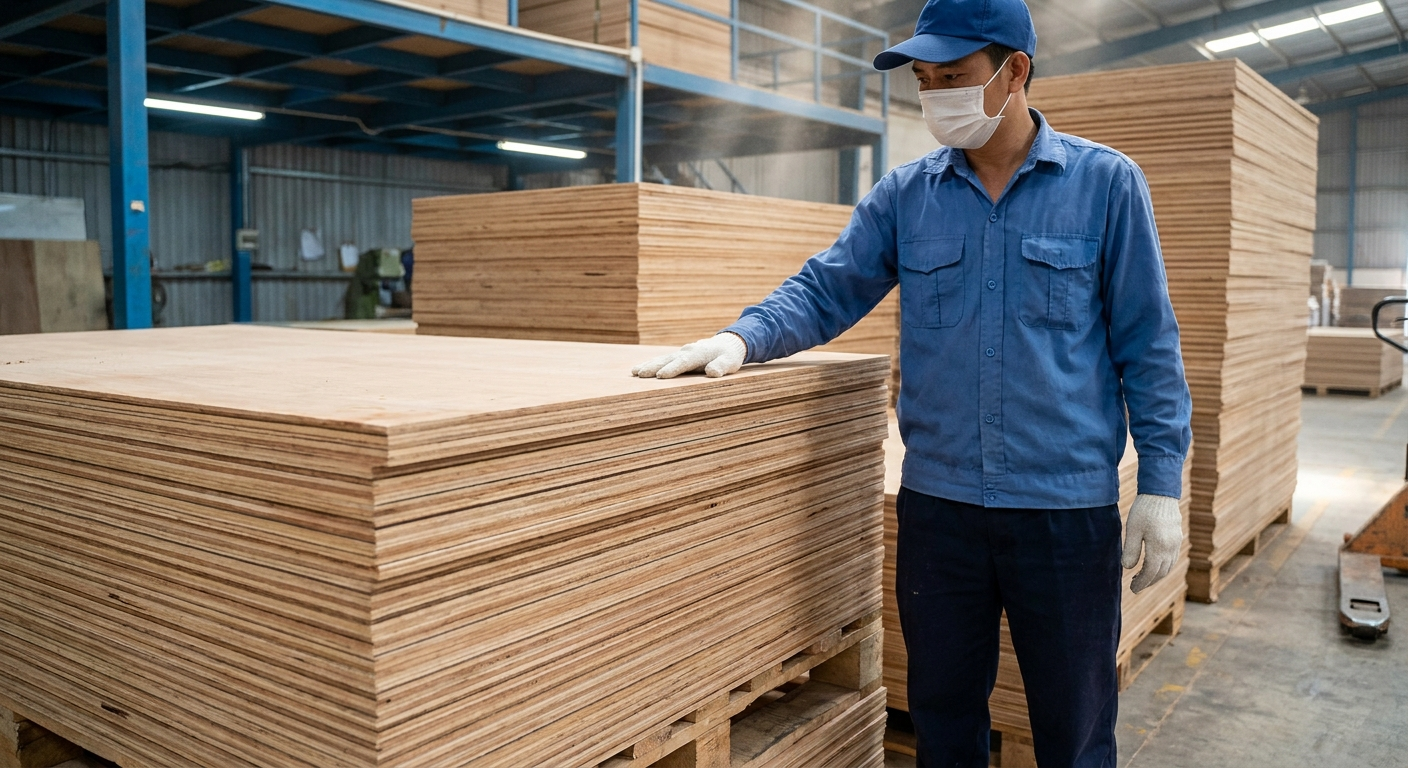
Searchers who type "marine plywood suppliers in Asia" usually want a mill that can prove wet-service bond, not a ranked directory of trading houses. A brochure that stamps "marine" on the face does not tell you how the glue line behaves after boil cycles, how the core is built, or which documents travel with the container. This page keeps the old title for search, but the body is diligence: how to specify a real wet-service panel versus a marketing label, how mill quotes differ from trader quotes, and how Vinawood's marine lane fits an Asia RFQ.
Vinawood is a Vietnam manufacturer established in 1992. We ship about 5,000 containers a year to 55+ countries. We do not publish a buy-from-these-ten list. If you need a container of water-resistant marine plywood with named bond language and mill paperwork before deposit, start with the specification rules below, then the Vinawood products and RFQ fields.
Marketing "marine" versus wet-service bond you can test
In Asian export catalogs, "marine plywood" is often a sales nickname. Sometimes it means a sanded hardwood panel with WBP (weather and boil proof) glue. Sometimes it only means a darker face veneer and a moisture-resistant claim with no boil-test class written down. The word alone is not a bond class.
For wet-service work, write the bond the way a lab would read it. EN 314 Class 3 describes glue-line performance for exterior / wet conditions. Phenolic (PF) systems are the usual chemistry buyers name when they want that class for structural wet service. EN 636-3 is the matching plywood bonding class language many European-facing specs use. If a quote only says "marine grade" and refuses EN 314 Class 3, EN 636-3, or a phenolic / WBP boil proof statement on the mill data sheet, treat that as a marketing label until documents arrive.
Call the panel water-resistant or WBP. Edges still take moisture. Permanent immersion without coating and detailing is a different engineering problem from boat interiors, outdoor joinery, or wet-site construction sheathing. Plantation-grown hardwood cores (Acacia, Eucalyptus, Hevea, Styrax in Vinawood's fibre mix) are the fibre story we use. That is the only timber framing we put on export copy.
Buyers who grew up on BS 1088 language still ask for void-free cores and tight veneer grading. That standard is a useful conversation starter. Put the bond class and core construction on the RFQ in plain fields so two Asia quotes can be compared without guessing what "marine" meant in each factory's brochure.
Mill versus trader for Asia marine RFQs
Asia marine plywood moves through three lanes that look similar on a price sheet and behave differently after the deposit.
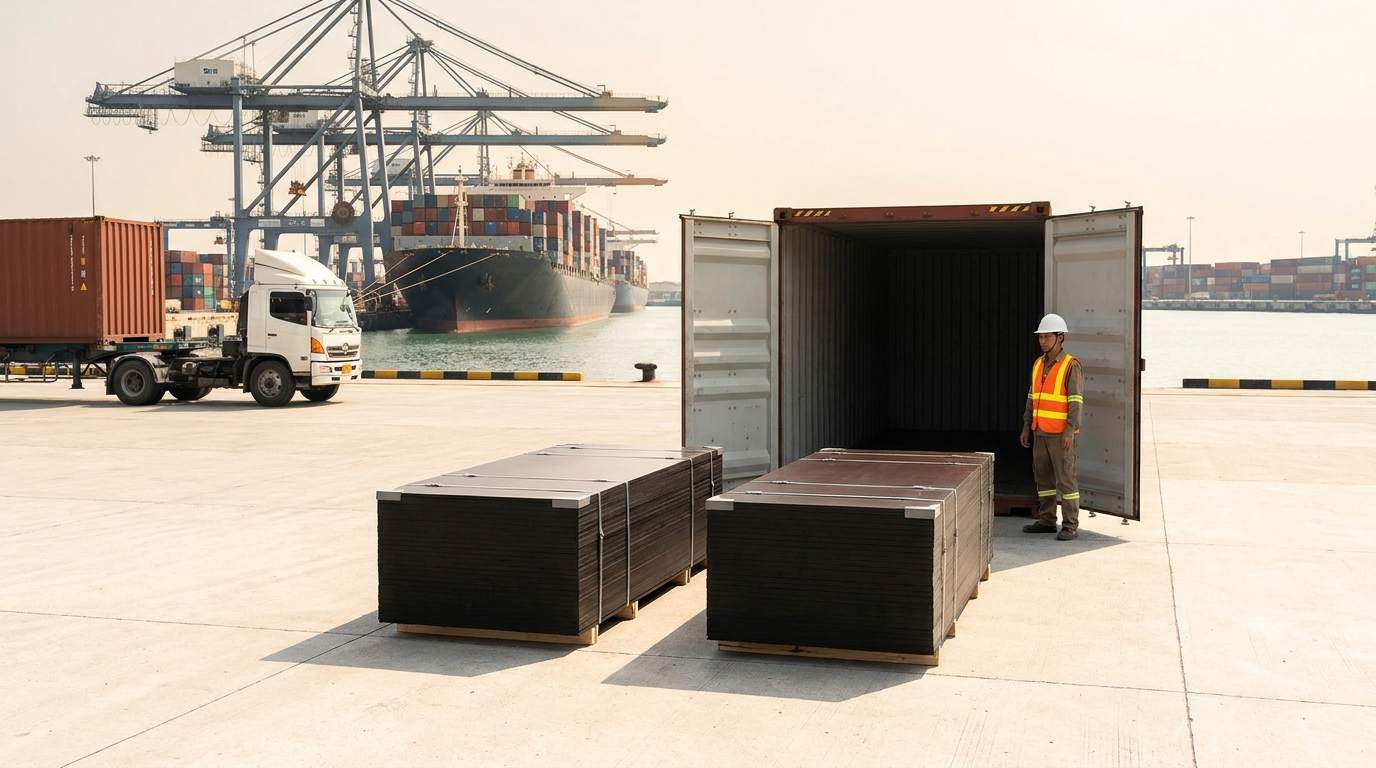
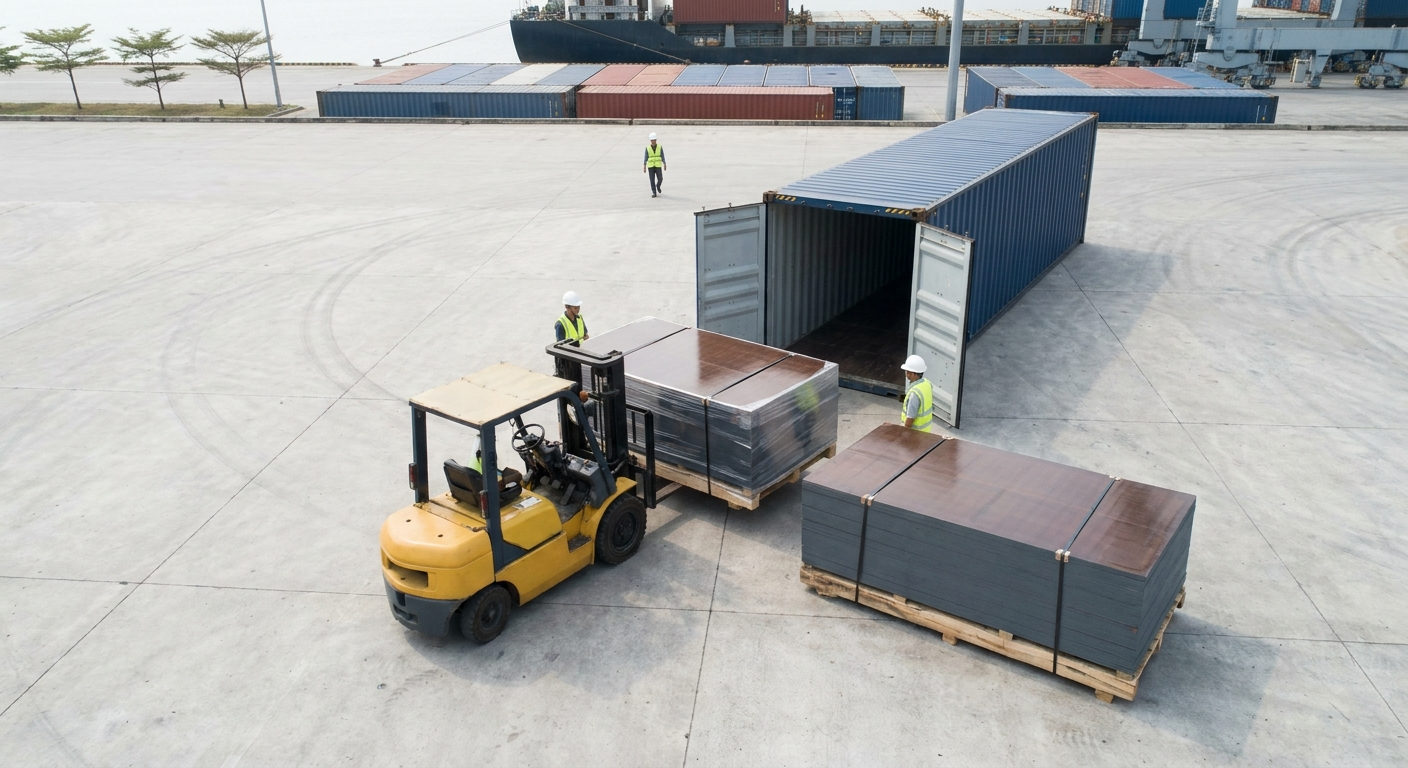
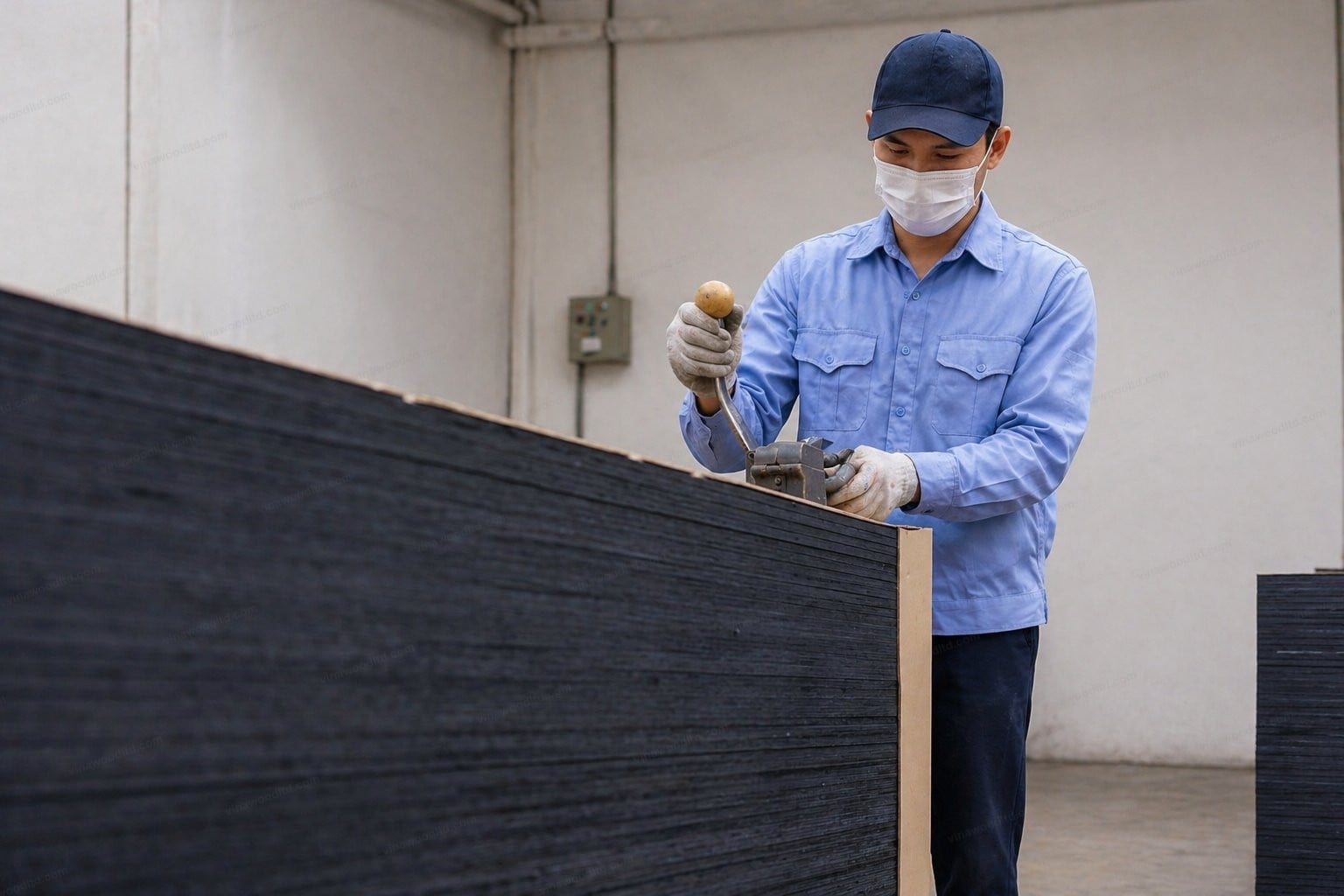
Factory-direct mill. You RFQ the plant. You name thickness, format, face/back grade, core construction, glue class (EN 314 Class 3 / phenolic wet-service or a named WBP system), edge seal, packing, and lead time. A 40-foot load is the usual unit for export programs. The mill can attach a mill test report and an origin statement.
Trader or consolidator. Useful when you need mixed SKUs. Risk rises when the trader cannot name the producing mill, the glue line, or the film/face type. Ask for the mill on the packing list before you compare two "marine" offers that differ only by a few dollars per sheet.
Local distributor stock. Vinawood keeps distribution warehouses in Toronto, Vancouver, Calgary, Montreal, Miami, Houston, and Baltimore to supply ready stock to local distributors. That network helps North American yards that draw Vinawood packs for short needs. It is not an exclusive stockist claim, and it is not a substitute for a factory-direct Asia container when your project is loading in Haiphong or another Vietnam export port.
We still see RFQs land with "top 10 marine plywood suppliers in Asia" in the subject and a blank glue-class field in the body. Those two requests do not match. Answer the spec. For broader Vietnam mill diligence without a competitor roster, use plywood manufacturers Vietnam as the soft-linked hub.
What to put on the RFQ before anyone prices a load
Write the sheet, not the brand story. A usable Asia marine RFQ names these fields before deposit.
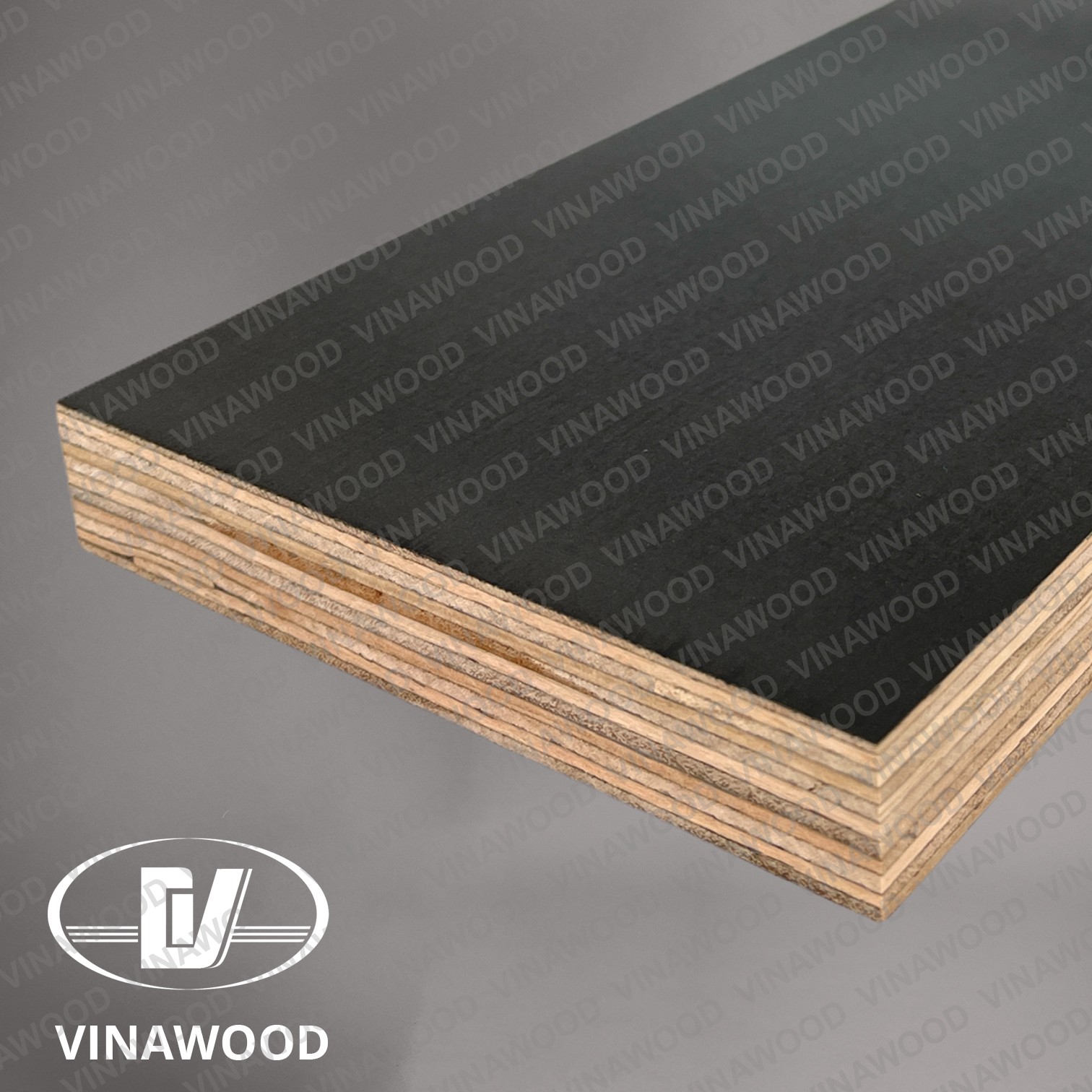
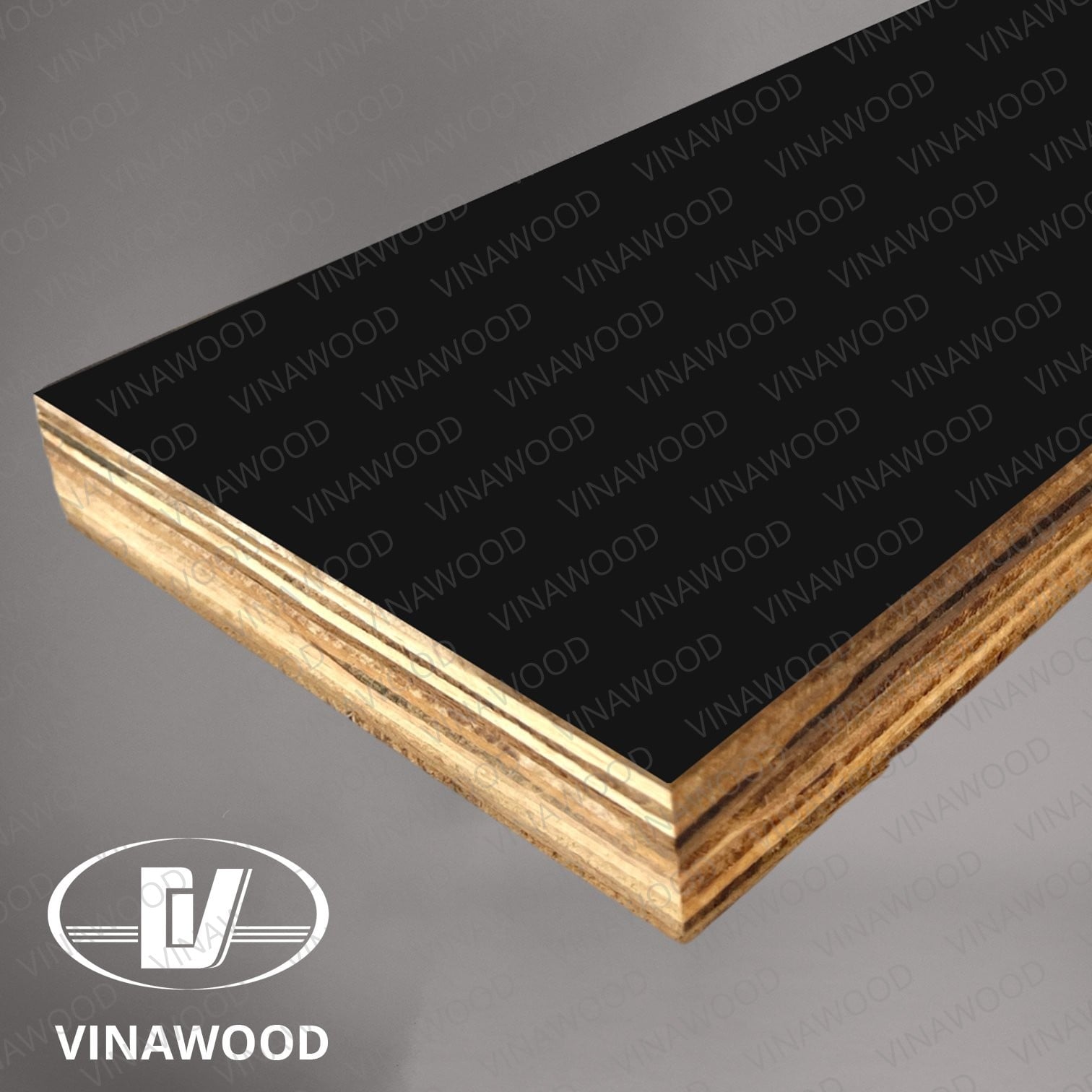
Bond and chemistry. EN 314 Class 3 / phenolic wet-service when the end use is exterior wet service. Or a named WBP glue system with boil-test language on the mill data sheet. Do not accept "marine" as the only bond line. If the job is concrete formwork instead of marine joinery, switch to the formwork ladder: only Pro Form, Pro Form Lite, and HDO are phenolic Class 3 (EN 636-3). Form Extra is Superior Glue MUF, EN 636-2, not Class 3, even when it carries the same phenolic face film family as Form Basic.
Core and faces. Plantation-grown hardwood species, veneer grade, void policy, face/back sanding. Thickness (often 12 / 15 / 18 mm for marine programs) and format (1220 × 2440 or the metric size your yard actually stocks).
Documents before deposit. Mill test report (thickness, density, glue class), packing list, origin statement that the panels were made in Vietnam when that is the origin you bought, chain of custody when the owner asks for FSC or PEFC, and formaldehyde class when the destination market needs it (CARB/TSCA for North America, CE/EN language when the spec is European). A logo on a website is not proof.
Edge seal and handling. Painted or sealed edges before the first wet exposure. Cut edges and fastener holes are the usual moisture paths. Reuse language belongs on formwork overlays (write "up to N" — HDO Basic up to 10, HDO Premium up to 20). Marine sanded panels are usually a fabrication sheet, not a pour-face reuse program.
I still get mill RFQs from Asia buyers that say "best marine plywood" and skip EN 314. We send those back with a one-line ask for Class 3 or a named WBP boil proof statement. Film colour and brochure adjectives are not a glue class.
Vinawood marine lane and nearby formwork products
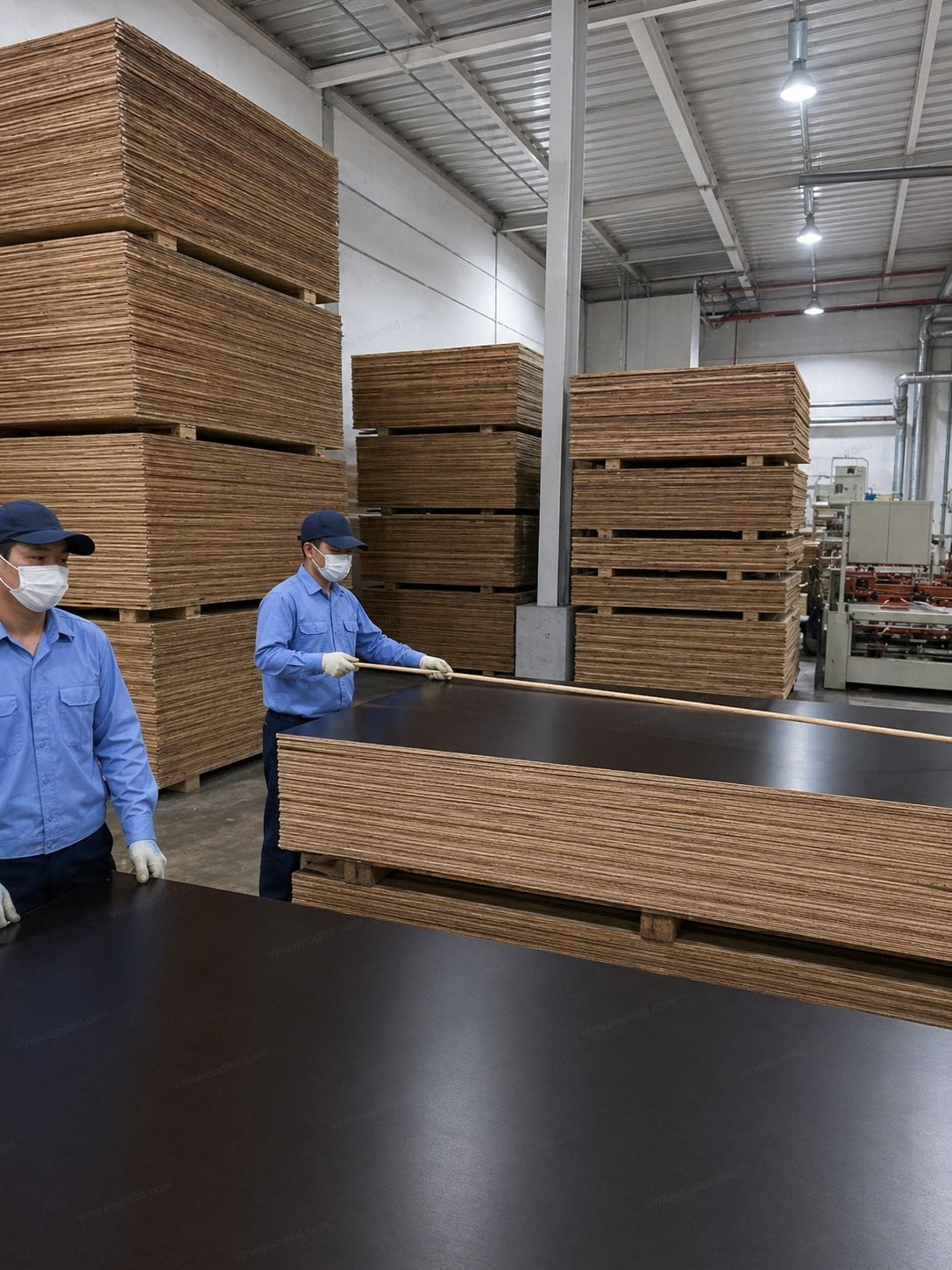
For sanded marine / wet-service hardwood panels, Vinawood's published marine lane is:
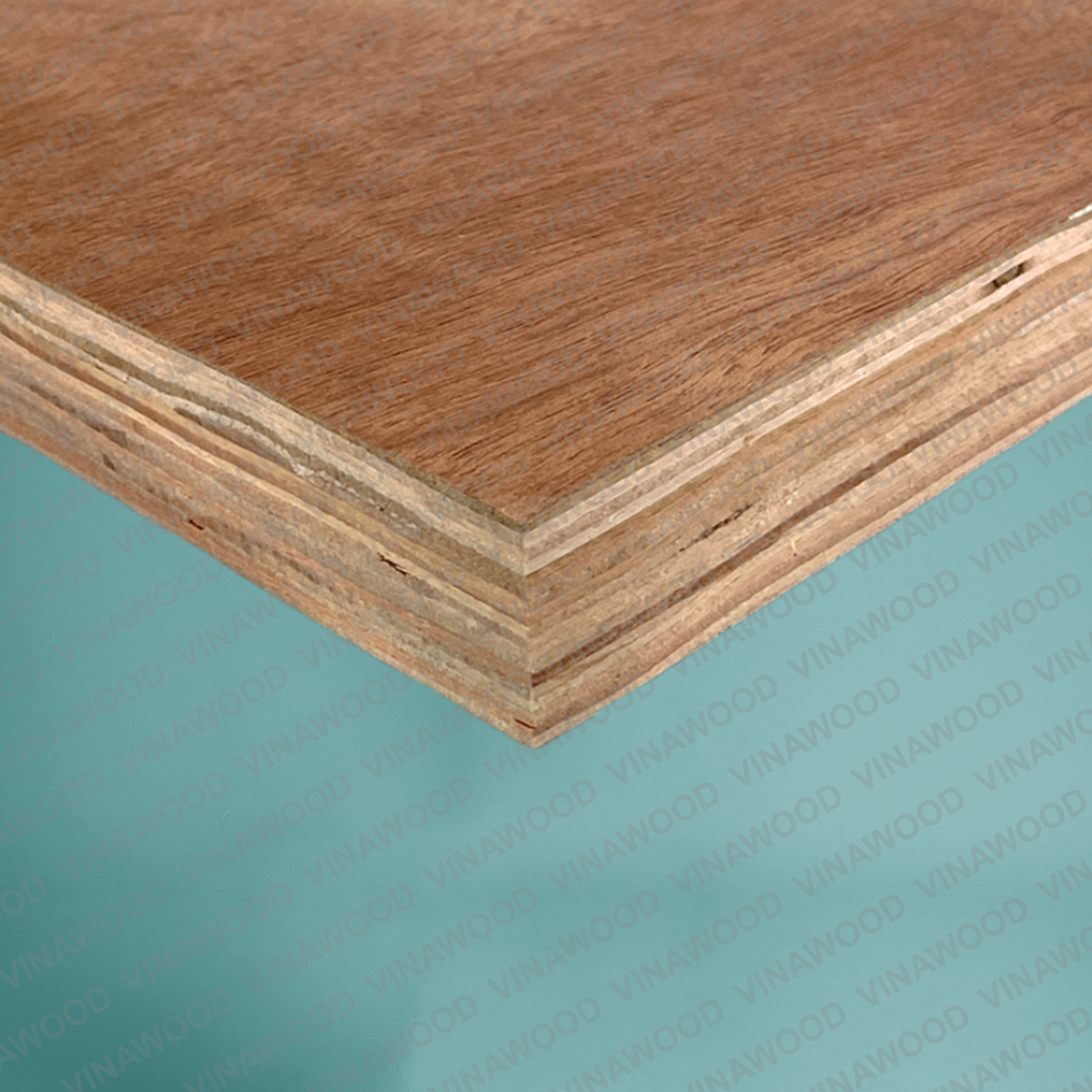
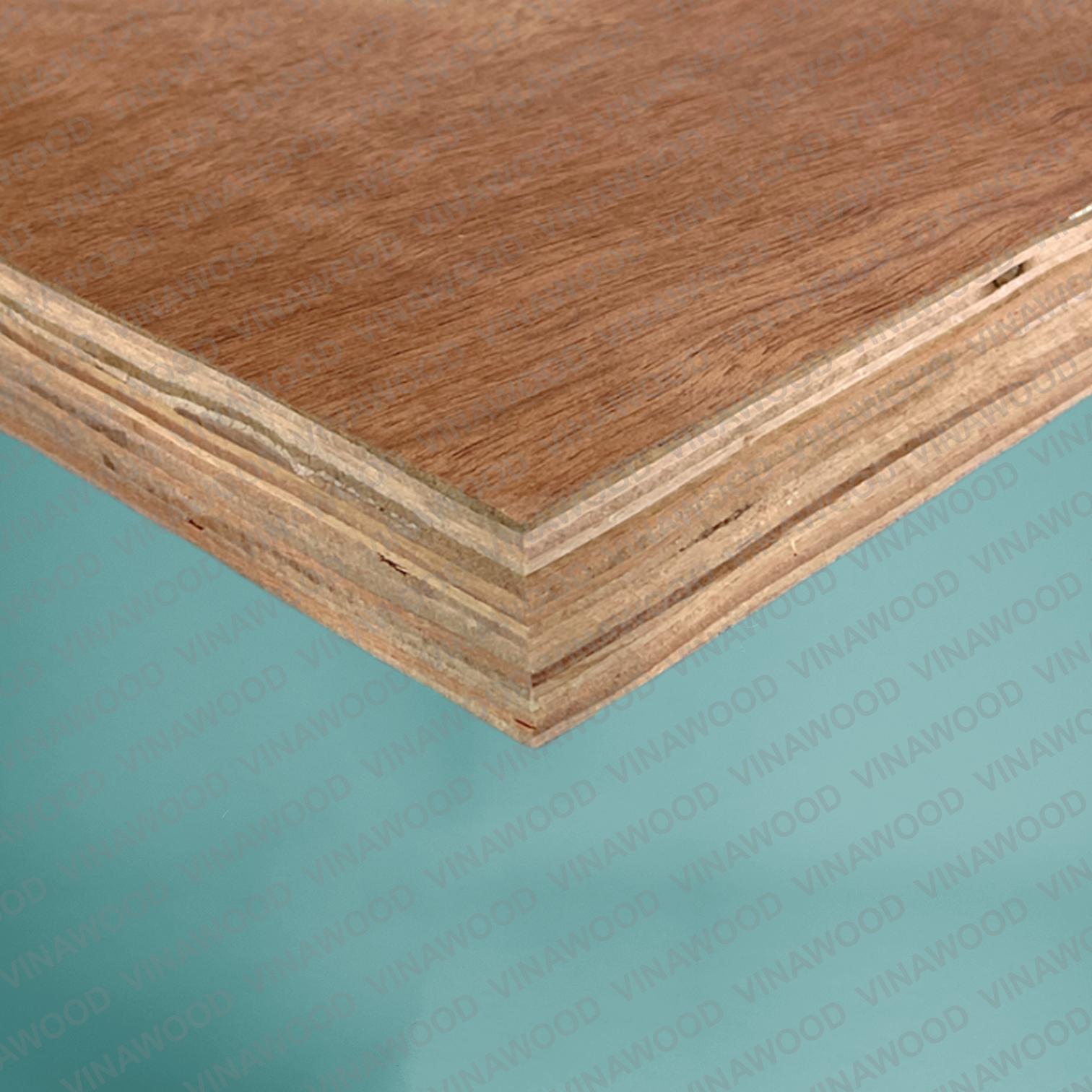
- Marine Standard Plywood: plantation-grown hardwood core, WBP water-resistant glue line for general wet-service and outdoor construction uses
- Marine Extra Plywood: denser marine-facing grade in the same water-resistant WBP family for tougher marine and outdoor programs
Ask for the current mill data sheet on either grade so glue class and core construction sit on the quote in the same words the lab uses. Category overview: marine plywood.
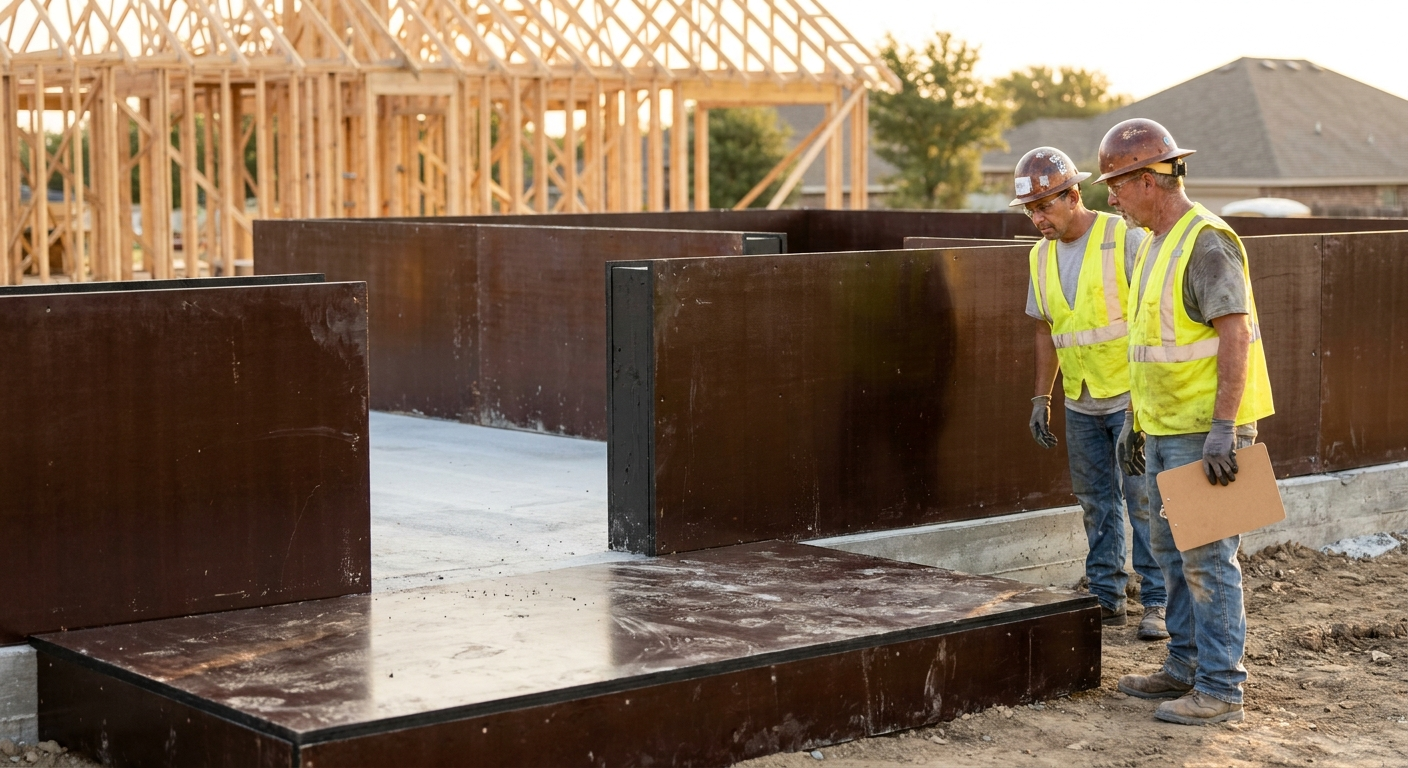
If the Asia RFQ is actually concrete formwork that someone nicknamed "marine" because the site is wet, switch products. Glossy film-faced plywood, HDO, and MatteFace Plywood (MTF; buyers often search MatteFace as MDO formwork plywood) are pour faces. MatteFace is formwork only. For the search term itself, see MDO plywood. Vinawood panels are used with major formwork systems including Doka, Peri, and Alsina when the job is shuttering, not boat joinery.
Plantation-grown fibre. 12-step process. About 5,000 containers a year.
Documents, warehouses, and the RFQ CTA
Before deposit, collect the mill test report, glue-class line, packing list, and origin statement. Add FSC/PEFC chain of custody and destination emission paperwork when the project requires them. Distribution warehouses in Toronto, Vancouver, Calgary, Montreal, Miami, Houston, and Baltimore supply ready stock to local distributors for short North American needs. Asia programs that need a Vietnam export container still RFQ the mill directly.
Ready to specify? Send application first (boat interior, outdoor joinery, wet-site construction, or formwork that was mislabeled "marine"). Then bond class: EN 314 Class 3 / phenolic wet-service versus a named WBP system. Add thickness, format, core/face grade, edge seal, pieces per bundle, and whether you need a factory-direct 40' container or ready stock through a local distributor.
Vinawood has made plywood in Vietnam since 1992 and ships to 55+ countries. Start the mill RFQ at /contact?type=quotation or /rfq.