Concrete Crazing: What Those Fine Surface Cracks Mean (and What They Don't)
Concrete crazing is a fine, shallow web of map or alligator cracks on a concrete surface. It is cosmetic, not structural, and not a panel fault. Here is what it means, how it differs from cracking, pitting and scaling, why it happens, and how curing prevents most of it.

A crazed slab is almost always a strong slab. That is the part people get wrong. The fine web of cracks that shows up across a fresh surface, map cracking or alligator cracking, the look of glaze on an old mug, sits in the top three millimetres and often less than one. It never reaches the concrete below. A crack in concrete reads as trouble, and this particular one usually is not.
From a formwork panel maker's seat, the honest version matters. Crazing is a surface-curing and finishing story, decided in the top few millimetres by how that surface dried and was worked. It is not a structural defect, and it is not a fault in the panel that shaped the pour. The mix, the finishing crew and the weather on pour day hold the levers here.
What concrete crazing is
Crazing is a pattern of fine, shallow cracks that break the concrete surface into small, irregular cells. You will hear it called map cracking or alligator cracking, because the web of lines looks like a road map or alligator hide. The cracks are typically a few millimetres deep at most, often less than a millimetre, and they sit in the surface skin of the concrete. They do not run down into the body of the slab.
The key feature is depth, or the lack of it. Crazing lives in the cement-rich surface layer, the paste that rose to the top during finishing. Industry references, including the Portland Cement Association and ACI surface guidance, classify it as a surface-finish condition rather than a structural crack. Most are barely visible until the surface is damp and starts to dry, which is when the pattern shows up as the cracks hold moisture a fraction longer than the cells between them.
Crazing vs cracking vs pitting vs scaling
| Surface condition | What it looks like | Depth | Cause | Concern level |
|---|---|---|---|---|
| Crazing | Fine web of shallow map or alligator cracks across the surface | Very shallow, surface skin only, often under 3 mm (1/8 in) | Rapid surface drying, finishing practice, surface moisture | Cosmetic |
| Cracking (structural) | Distinct linear splits, hairline to wide, sometimes through the slab | Can run the full depth | Drying shrinkage, loading, settlement, restraint | Can be structural |
| Pitting | Small craters or pock marks where surface mortar is lost | Shallow pock marks into the surface | Surface finishing, weak surface skin, surface abrasion | Mostly cosmetic |
| Scaling | Surface mortar flakes or peels away in patches | Shallow, the top mortar layer | Freeze-thaw, de-icing salts on a weak surface | Cosmetic to durability |
The line that matters: crazing is a web of shallow lines that stays at the surface, while a structural crack is a discrete line that can run deep and may move under load. If the pattern is a fine mesh and you cannot catch a fingernail in it, you are almost certainly looking at crazing, not a structural problem. Our companion guide to concrete pitting covers the crater-style surface loss, and concrete spalling covers the deeper, durability-driven kind of surface failure that genuinely is a different conversation.
Why concrete crazes
Crazing comes down to one mechanism: the very top layer of the concrete shrinks slightly faster than the concrete just below it, and that differential shrinkage tears the thin surface skin into the map pattern. Several site conditions push that surface to dry or shrink too fast.
- Rapid surface drying. Hot sun, wind, low humidity, or a warm dry day pulls moisture out of the surface faster than the slab below. The surface shrinks first and cracks. This is the most common driver.
- Excess fines and bleed water. Too much cement paste and fine material at the surface, or working bleed water back into the top, builds a weak, paste-rich skin that is prone to surface shrinkage.
- Over-troweling. Repeated troweling brings still more fines and water to the surface and densifies a thin layer that then shrinks against the body below. Finishing the surface too hard is a classic crazing cause.
- Premature or uneven curing. Sprinkling water on a slab that is drying, or wetting and drying the surface during early cure, sets up the moisture swings that drive surface shrinkage. Intermittent water spray is worse than no water at all.
- A high surface water-cement ratio. When the top of the pour ends up wetter than the rest, that surface skin has more to give up as it dries, and it crazes more readily.
Read that list and the pattern is clear. Every one of these sits with the mix, the finishing crew, and the weather on pour day. None of them is the forming panel. Crazing is made in the top few millimetres after the concrete is placed, long after the panel has done its job of shaping the pour.
Crazing on formed faces
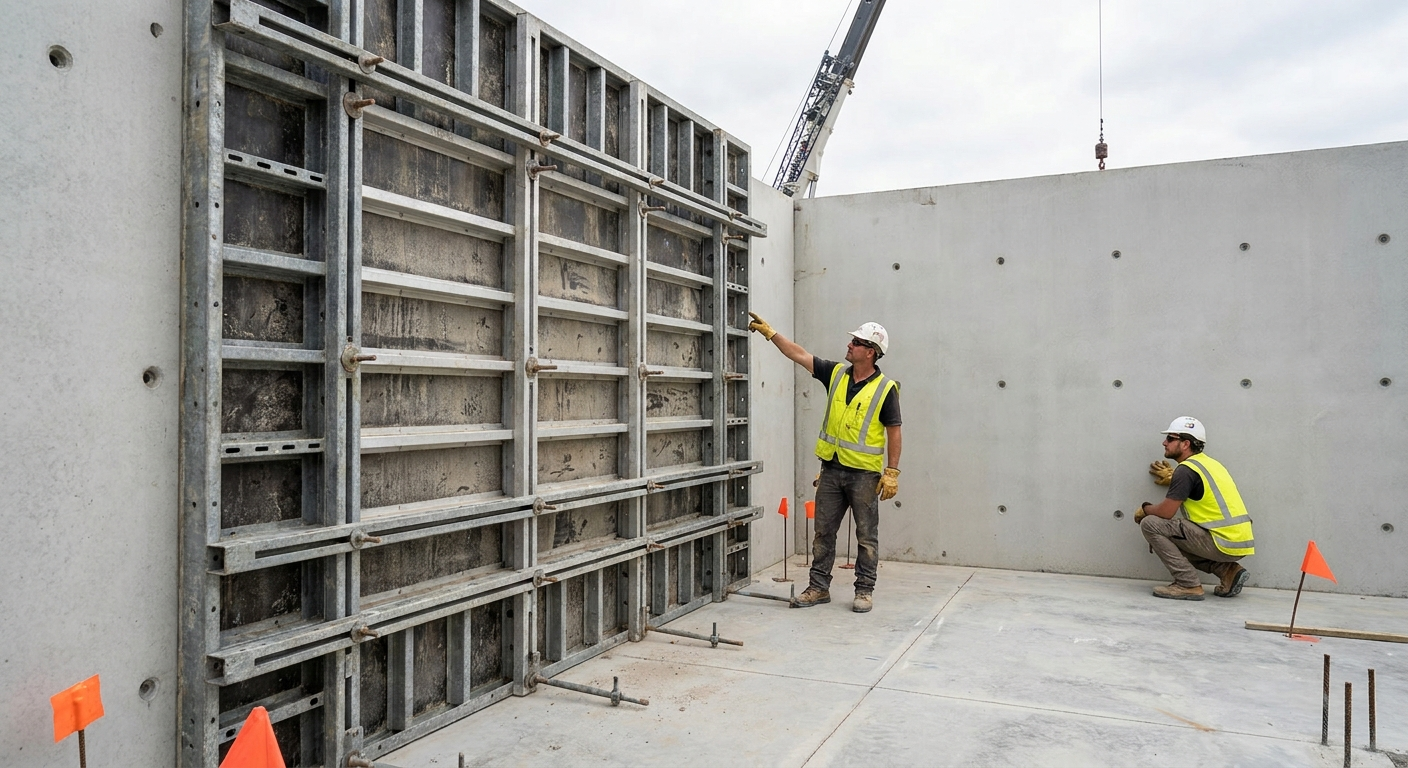
Most crazing discussion online is about flatwork, slabs and floors finished by trowel. Crazing also shows on formed vertical faces, walls and columns cast against a panel, and here the surface-drying mechanism plays out a little differently. On a formed face there is no troweling, so the drivers are the surface water-cement ratio and how the formed surface cures once the panel comes off.
The form face has a narrow, honest influence at the margin. An absorbent or raw form face draws some water out of the concrete surface as it sets, which changes the surface water-cement ratio and the early moisture state of that skin. A non-absorbent phenolic film face leaves a denser, more uniform surface with less free water at the face. That can make the formed surface more even and less prone to the localised drying that triggers crazing. The release agent and how soon the form comes off matter too, because a face left to dry hard in the sun right after stripping is drying just as fast as a troweled slab in the same conditions.
This is a texture-and-uniformity effect, not a cure-all. We have seen this in our own customers' field reports: where formed faces craze, the trail leads back to the mix, the weather at strip, and how the fresh face was protected, not to the panel. A good form face presents a better, more uniform surface to start from. It does not control the surface curing that decides whether that face crazes, and no panel prevents crazing on its own.
The curing connection
If crazing has a single root cause, it is poor early curing. Good curing keeps moisture in the surface so the top of the slab does not race ahead of the body in drying and shrinking. Most crazing is prevented at this stage, before it ever forms.
Curing that works means starting early, right after finishing or stripping, and keeping the surface evenly moist for the first several days. Curing compounds, wet coverings, or continuous moisture all work, as long as they are even and uninterrupted. The thing that causes crazing is the swing: wet, then dry, then wet again. A surface that is allowed to dry fast on day one and is then sprayed with water is being set up to craze. Steady is the whole game.
How to prevent crazing
Prevention is mostly mix discipline, finishing restraint, and curing, set before and during the pour rather than at the form face.
- Cure early and evenly. Begin curing as soon as the surface can take it and keep it moist and uninterrupted for the first days. This is the primary defence.
- Do not overwork the surface. Finish only as much as the job needs. Stop troweling once the surface is closed, and never trowel bleed water back in.
- Never sprinkle water on a drying surface. Dusting cement or spraying water during finishing raises the surface water-cement ratio and invites crazing. Keep water off the fresh face.
- Protect against fast drying. On hot, windy, or dry days use evaporation retarders, windbreaks, or fogging upwind, and get curing started promptly to slow surface moisture loss.
- Control the mix. A well-proportioned mix without excess fines or a high surface water-cement ratio gives a stronger, more uniform surface skin.
- Choose a sound form face for formed work. A clean, non-absorbent film face gives a uniform formed surface to start from, then protect and cure that face once the panel is stripped.
When to investigate further
Crazing almost never needs investigation. It is a cosmetic surface condition, and on the great majority of slabs and walls the right response is to leave it alone or, where appearance matters, to clean or resurface the face. Before treating a fine-crack pattern as anything more, rule out the ordinary causes first: a hot dry pour day, a heavily troweled finish, interrupted curing, or a surface that was wetted and dried during its first days.
The fine map pattern is worth a second look only when it does not behave like crazing. If the lines are not a shallow web but a few discrete cracks that you can catch a fingernail in, that may be drying-shrinkage cracking rather than crazing, and wide or moving cracks on a structural element belong with an engineer. Crazing that keeps widening, or surface loss that goes beyond the paper-thin skin into pitting or scaling, points at a different mechanism. Those are the exceptions. The rule is that a fine, shallow, stable map of cracks on a concrete surface is cosmetic and stays that way.
How a sound form face supports uniform surface curing
For finish-critical formed concrete, a clean, non-absorbent form face is the right starting point, because it gives the fresh surface a dense, uniform skin with even surface moisture rather than the patchy, locally absorbent surface a worn or raw face can leave. That evenness is what helps the surface cure uniformly and resist the localised drying that triggers crazing. The panel does not cure the concrete, but it sets the surface up to be cured well.
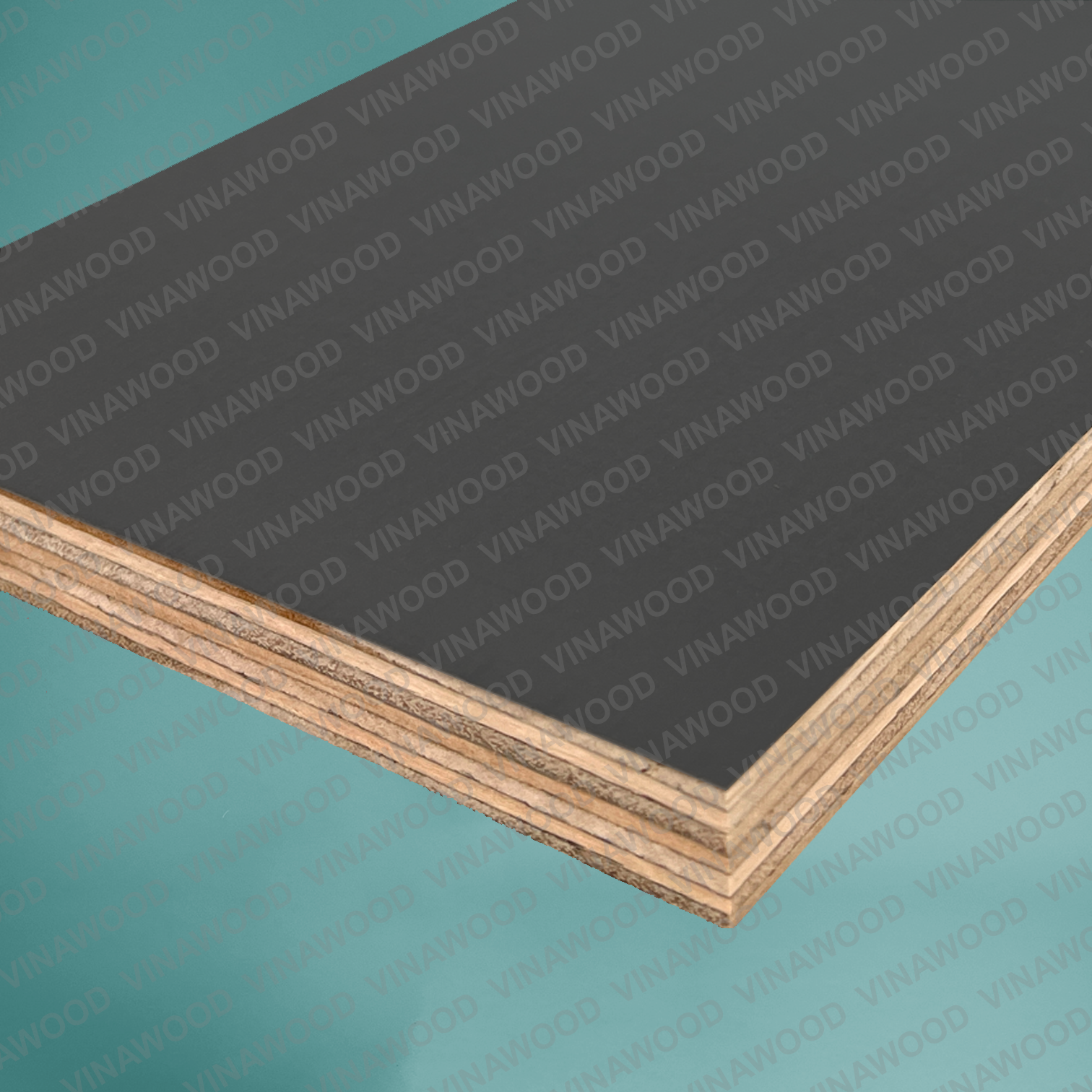
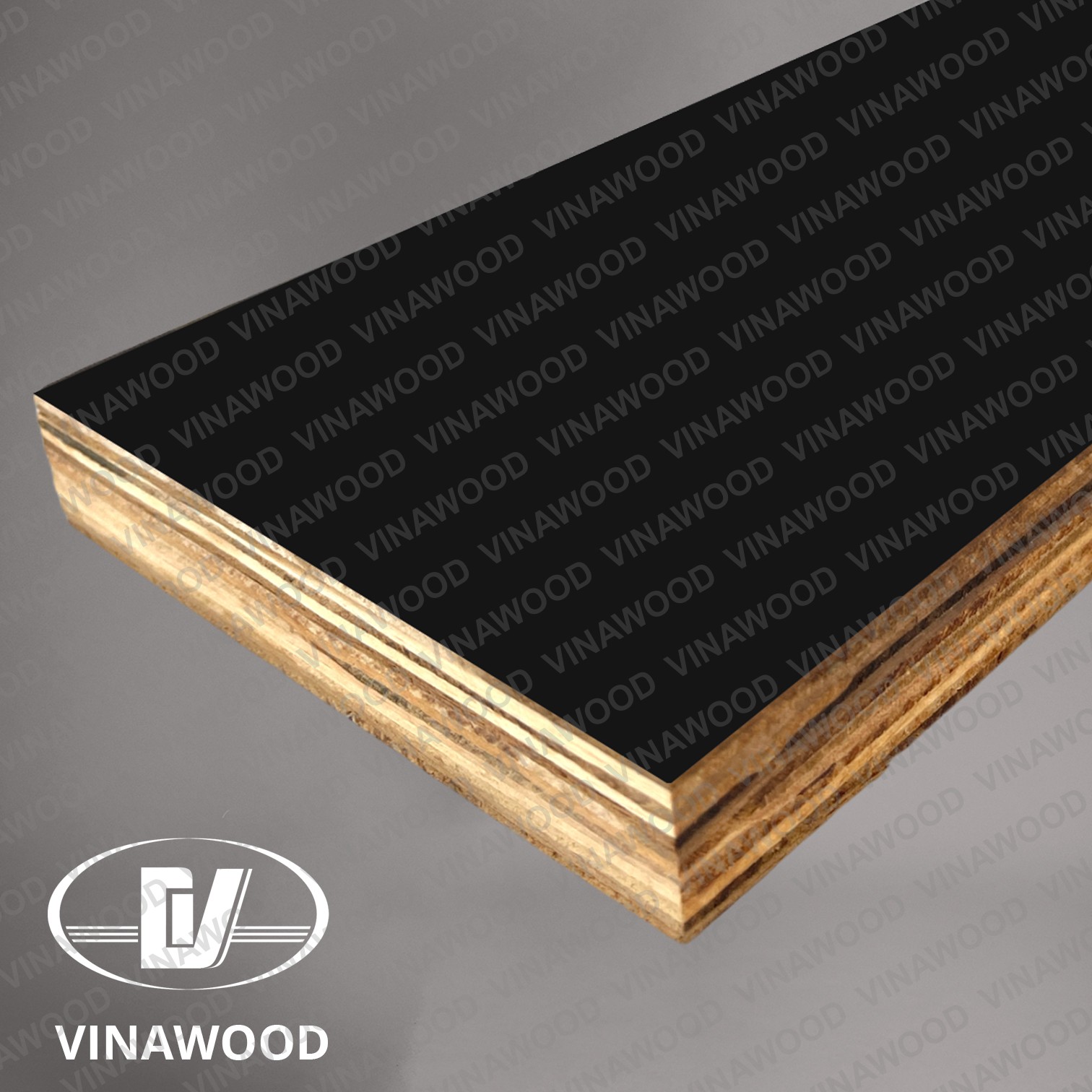
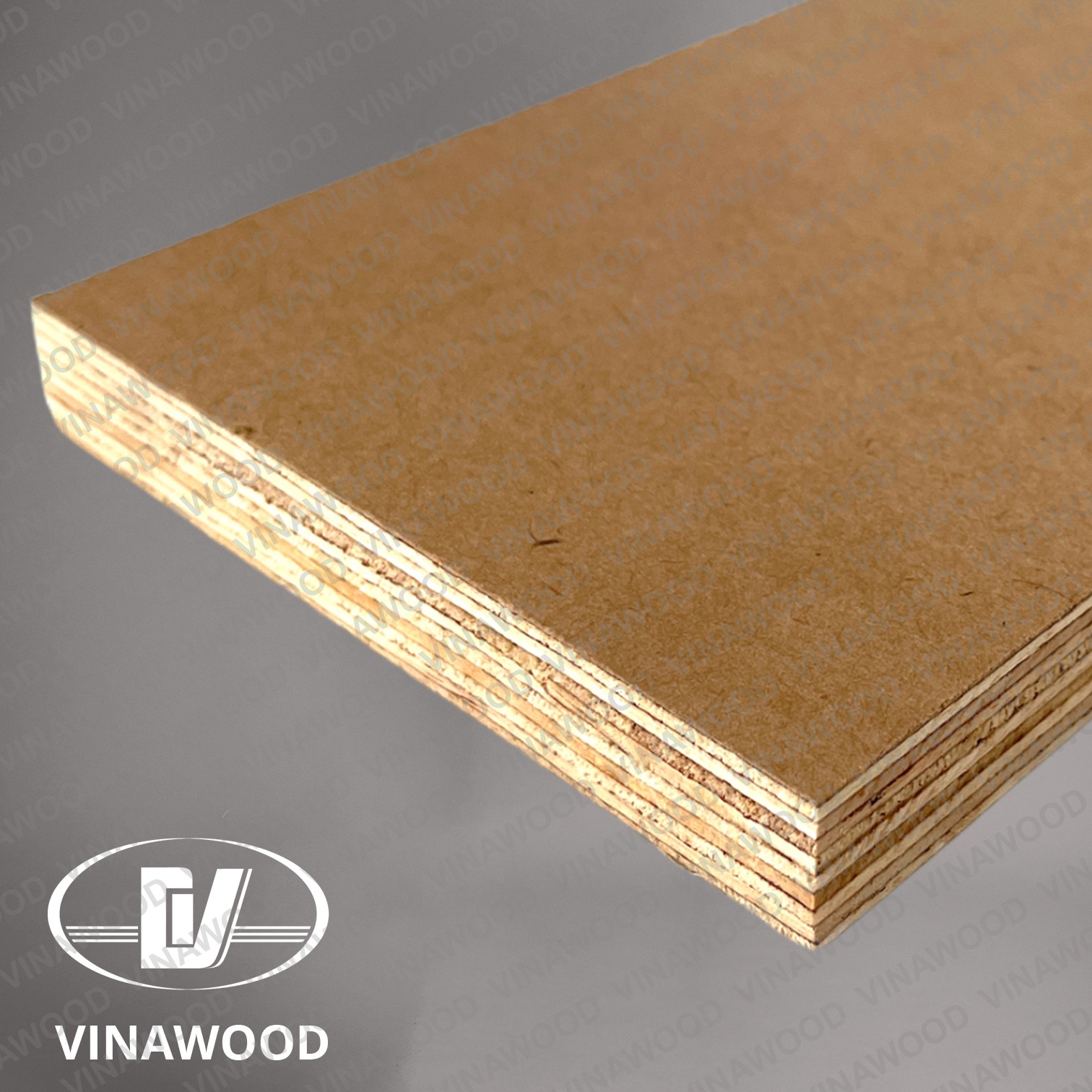
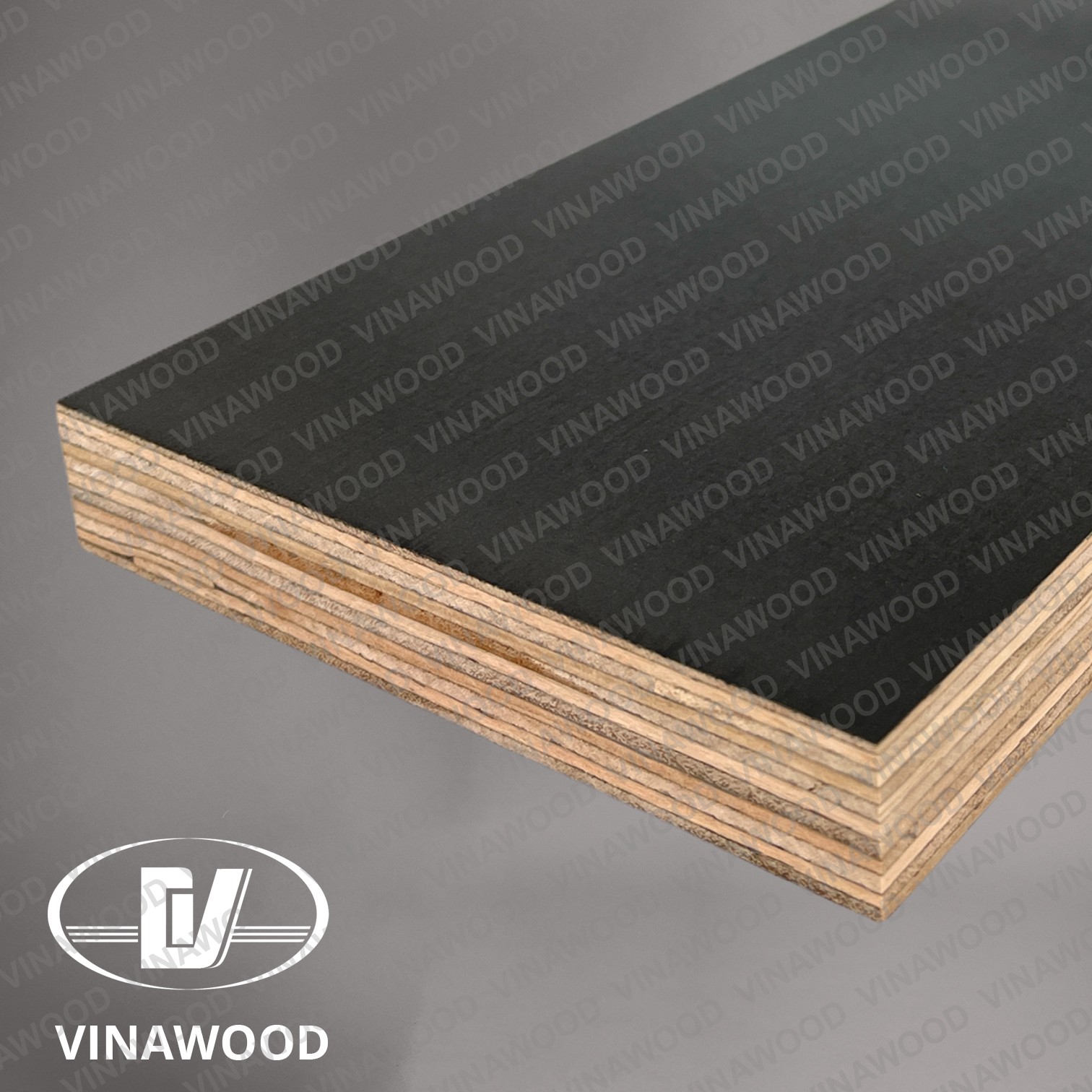
Vinawood manufactures film-faced and overlay formwork plywood in Vietnam, with factory edge-sealing and 100% individual sheet inspection across the range. North American contractors working to imperial sizes can look at the HDO plywood range, where a high-density overlay holds a clean, low-absorbency face across repeat pours; the HDO Premium 2S Formply is a WBP phenolic panel to EN 636-3 rated up to 20 reuse cycles for finish-critical, high-rotation forming. For matte architectural faces, the Vinawood MDO range carries a thicker matte phenolic surface film that returns an even, non-reflective concrete finish. UK readers doing fair-faced work can look at Pro Form, a WBP phenolic film-faced panel to EN 636-3, also rated up to 20 reuse cycles. None of these prevents crazing, which is decided by curing, finishing, and surface moisture. What a sound face does is give the surface the most uniform possible start, then the curing has to do the rest. Request a quote with your panel sizes, finish requirements, and project volume.
Category
guides
Related Markets
Related Countries
Related Products
▶Sources & References (2)
- Concrete Slab Surface Defects: Causes, Prevention, Repair (IS177) — Portland Cement Association (2001)
- Guide for Concrete Floor and Slab Construction (ACI 302.1R) — American Concrete Institute (2015)