Formwork Plywood Italy: Compensato per Casseforme Supplier Guide
Vietnam compensato per casseforme supplier for the Italian construction market. Vinawood film faced plywood meets EN 636-2 and EN 636-3 standards, available in 2500×1250mm EU format, shipped FOB to Genova and Trieste.

Why Italian Construction Professionals Are Sourcing Formwork Plywood from Vietnam
Italy ranks among Europe's top five construction markets. The Piano Nazionale di Ripresa e Resilienza (PNRR), the country's post-pandemic recovery plan, is channelling heavy investment into infrastructure: high-speed rail, bridge rehabilitation, school renovation and new hospitals from Lombardy to Sicily. Every one of those jobs pours concrete, and every pour needs formwork plywood.
Italian contractors have traditionally bought from domestic panel makers, from Finnish birch distributors and from Chinese importers. Each channel has its trade-offs. European panels are dependable but sit at the top of the price range, while Chinese supply can be uneven in quality control and attracts growing anti-dumping scrutiny. Direct import from Vietnam is the third route, and it is gaining ground because manufacturers like Vinawood produce EN 636-certified film faced plywood, known in Italian as compensato filmato, and ship it by the container straight from the mill.
This guide covers the Italian formwork plywood market from a procurement perspective: terminology, product specifications, EN standards, Italian building regulations, logistics to major ports, and how to compare a container quote, which together explain why Vietnam-sourced formwork plywood for European construction is an increasingly practical choice.
Italian Terminology: Compensato, Casseforme, and Pannello
Italian construction vocabulary for shuttering and formwork materials differs significantly from English equivalents. For international suppliers quoting Italian buyers — and for Italian procurement managers searching in English — here is a reference:
- Casseforme (also: casseratura): The formwork system as a whole — the assembled moulds that shape poured concrete. Equivalent to the English "formwork" or "shuttering."
- Compensato: Plywood. Short for legno compensato (compensated wood), referring to the cross-laminated veneer structure.
- Compensato filmato: Film faced plywood — plywood coated with a phenolic or melamine resin film on one or both faces. This is the standard material for casseforme panels in modern Italian construction.
- Pannello per casseforme: A formwork panel — the individual plywood sheet used within a casseforme system.
- Multistrato: Multi-layer — another Italian term for plywood, emphasising the laminated construction.
- Tavola da carpenteria: Carpentry board — used in traditional timber formwork, distinct from film faced plywood panels.
When sourcing from Vietnam, Italian buyers should specify compensato filmato per casseforme (film faced formwork plywood) with the applicable EN standard to ensure the correct product with appropriate film overlay and glue bond classification.
Vinawood European-Grade Products for the Italian Market
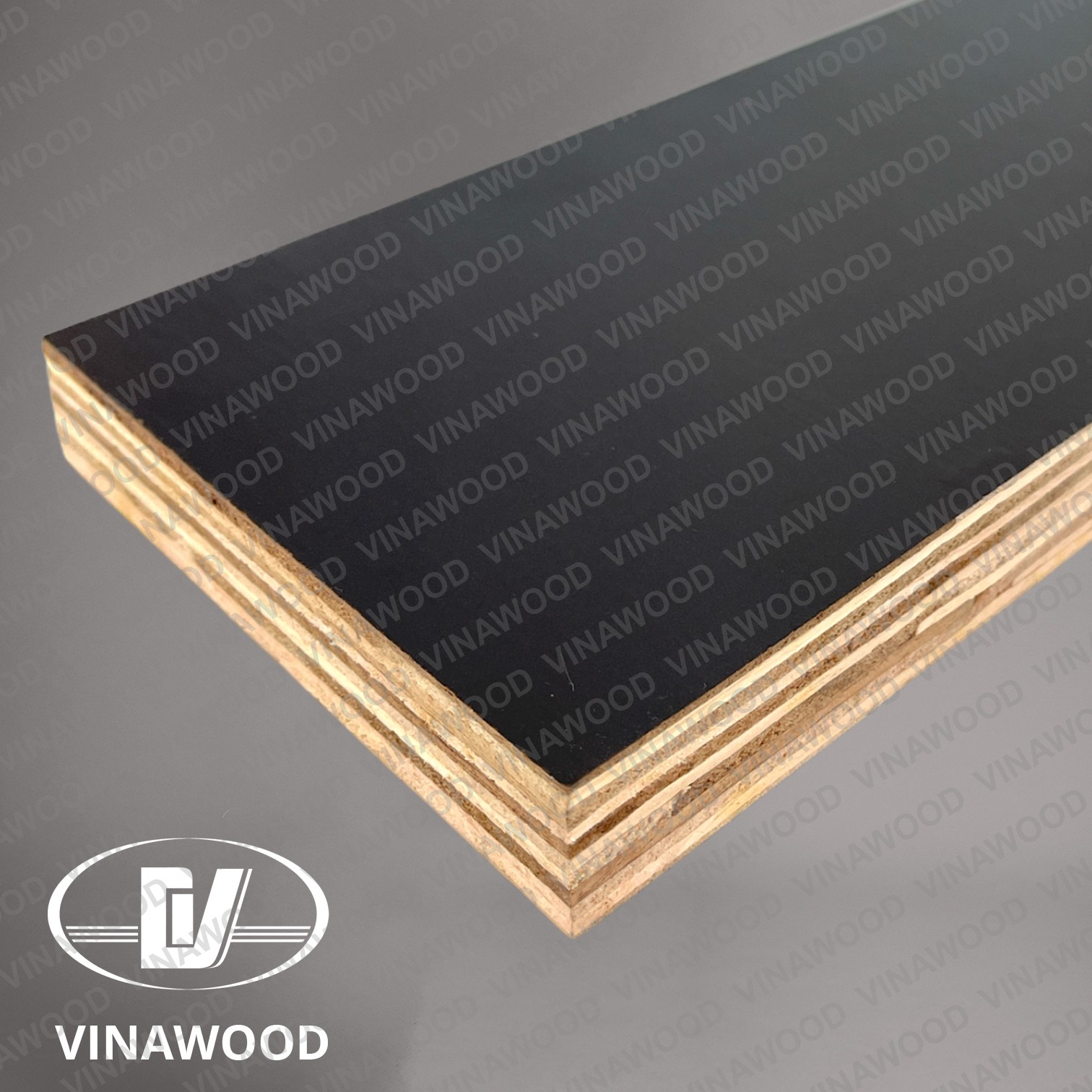
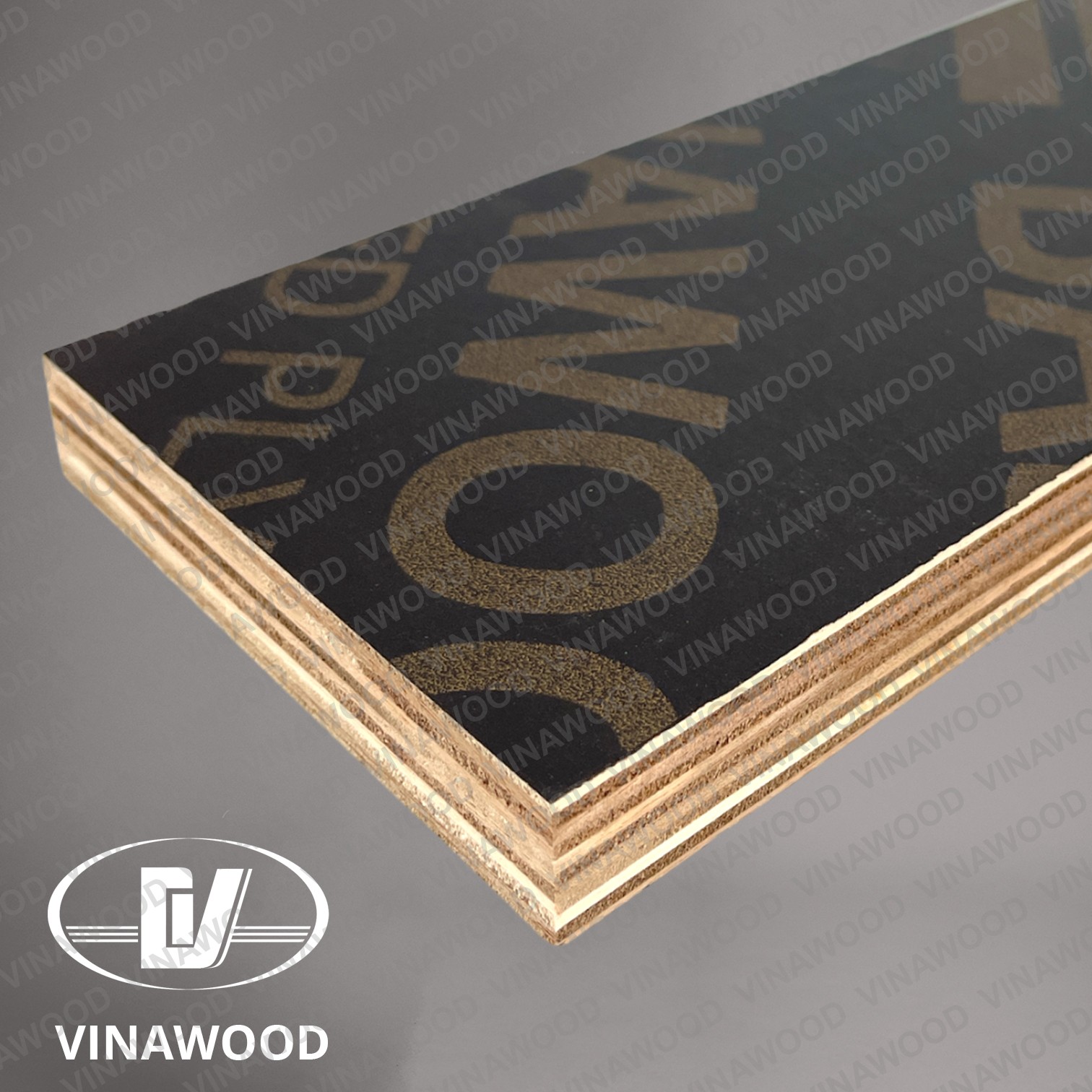
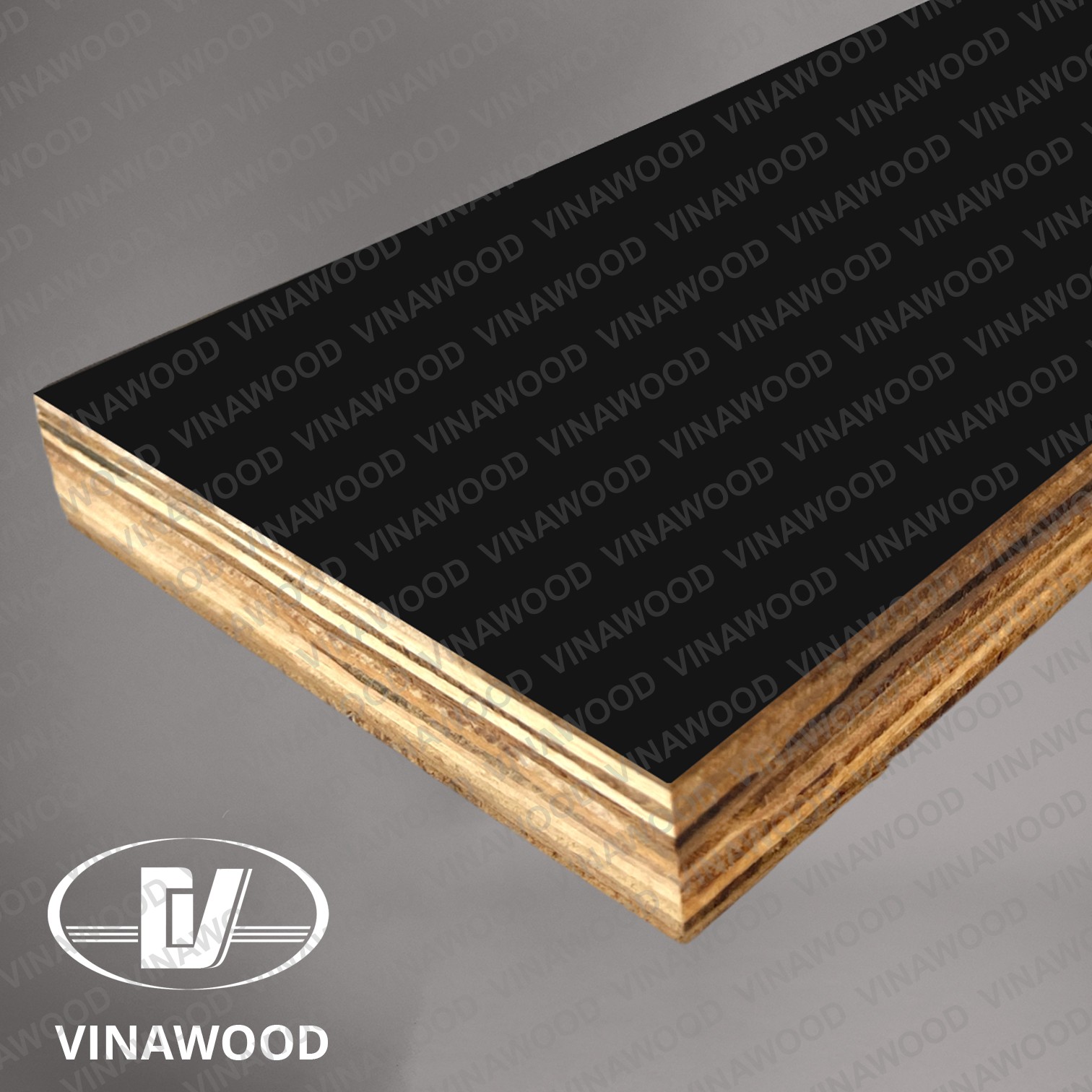
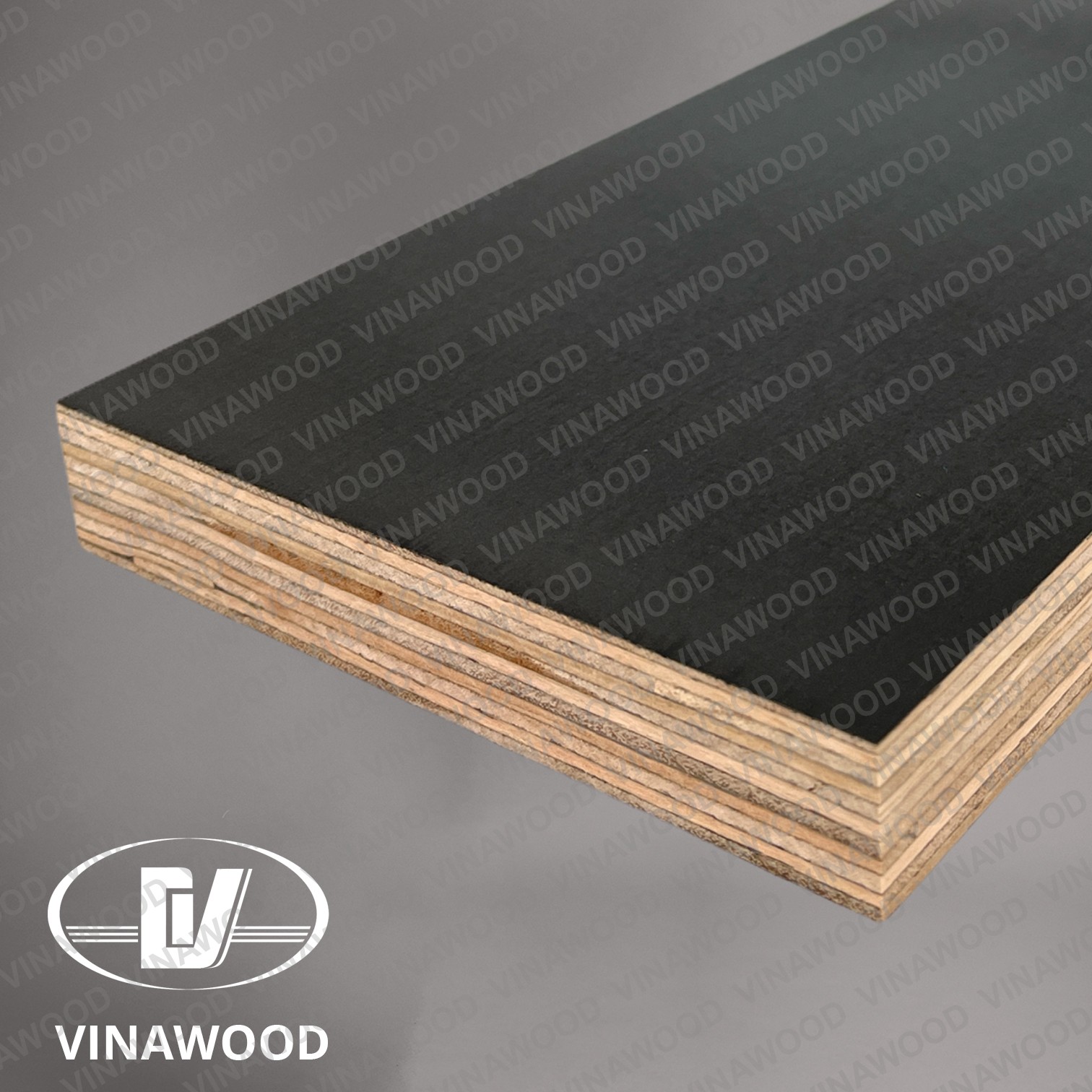
Vinawood manufactures five film faced plywood grades for Italian construction work. Every grade comes in the 2500×1250mm EU sheet, the format used across Italian sites and the one that fits metric-dimensioned formwork systems. The three Class 2 grades are bonded with melamine (MUF) glue, and the two Class 3 grades, Pro Form and Pro Form Lite, use WBP phenolic glue.
| Product | EN Standard | Glue Type | Face Film | Reuse Cycles | Thickness | Best For |
|---|---|---|---|---|---|---|
| Eco Form Plus | EN 636-2 | Melamine Standard (MUF) | 165 g/m² | Up to 8 | 12–21 mm | Budget projects, short-duration pours |
| Form Basic | EN 636-2 | Melamine Standard (MUF) | 165 g/m² | Up to 10 | 12–21 mm | Standard commercial forming |
| Form Extra | EN 636-2 | Melamine Top (MUF) | 165 g/m² | Up to 15 | 12–21 mm | Heavy-duty, high reuse on covered work |
| Pro Form Lite | EN 636-3 | WBP phenolic | 165 g/m² | Up to 15 | 12–21 mm | Class 3 work at a moderate pour count |
| Pro Form | EN 636-3 | WBP phenolic | 125 g/m² | Up to 20 | 12–21 mm | Exterior exposure, infrastructure, Class 3 |
All thicknesses available in 2440×1220mm (standard) and 2500×1250mm (EU format). 18mm is the most specified thickness for Italian casseforme applications.
The real dividing line for Italian projects is the glue. Pro Form and Pro Form Lite are bonded with WBP phenolic resin (phenol-formaldehyde), which qualifies them for EN 636-3, the Class 3 rating for exterior and sustained-moisture service. That is the right specification for casseforme on PNRR bridges, tunnels and retaining walls, where a panel can sit wet for days. Form Extra is a different animal. Its longer reuse comes from the Melamine Top (MUF) glue in the core, not from a heavier face, since it carries the same 165 g/m² film as Form Basic, and it stays an EN 636-2 Class 2 panel. Form Basic and Eco Form Plus cover standard commercial forming where Class 2 is enough.
EN Standards and Italian Building Regulations
Italian construction projects fall under the Norme Tecniche per le Costruzioni (NTC 2018) — the national technical standards for construction — which reference European harmonised standards for building materials. For formwork plywood, the relevant standards are:
EN 636 — Plywood for Structural Use
EN 636-2 covers plywood for use in humid conditions (service class 2); EN 636-3 covers plywood for exterior and high-moisture environments (service class 3). Both are relevant for casseforme applications. For infrastructure projects with extended outdoor exposure — common in PNRR-funded bridge and road works — EN 636-3 (Pro Form or Pro Form Lite, both with WBP phenolic glue) provides the appropriate moisture resistance classification. For standard commercial building formwork with controlled exposure, EN 636-2 products (Form Basic, Form Extra, Eco Form Plus) are widely used.
EN 13986 — Wood-Based Panels for Construction
This harmonised European standard governs wood-based panels used in EU construction. Products bearing CE marking under EN 13986 satisfy the Construction Products Regulation (CPR) and can be specified directly in Italian building projects without additional national approval. A Declaration of Performance (DoP) is provided on request for all Vinawood panels.
NTC 2018 and CE Marking
Under Italian building regulations, construction materials must comply with applicable harmonised EU standards. For formwork plywood, this means EN 636 + EN 13986 compliance with CE marking. Vietnam-manufactured panels that meet these standards and carry supporting test documentation — mill certificates, EN 314 bond strength results, and the formaldehyde emission class declared for each grade — are accepted for use on Italian construction sites.
Formaldehyde Requirements
Formaldehyde emission class is stated per grade on the mill certificate. The phenolic grades, Pro Form and Pro Form Lite, are listed at E1, while the melamine (MUF) bonded Class 2 grades are listed at E2, so name the class your project needs on the enquiry and we confirm it on the quotation. Vinawood also holds CARB P2 and TSCA Title VI certification for buyers whose projects reference the US emission rules, plus FSC-COC and PEFC chain-of-custody certification.
Applications in Italian Construction
Film faced plywood from Vinawood is used across the full range of Italian construction applications:
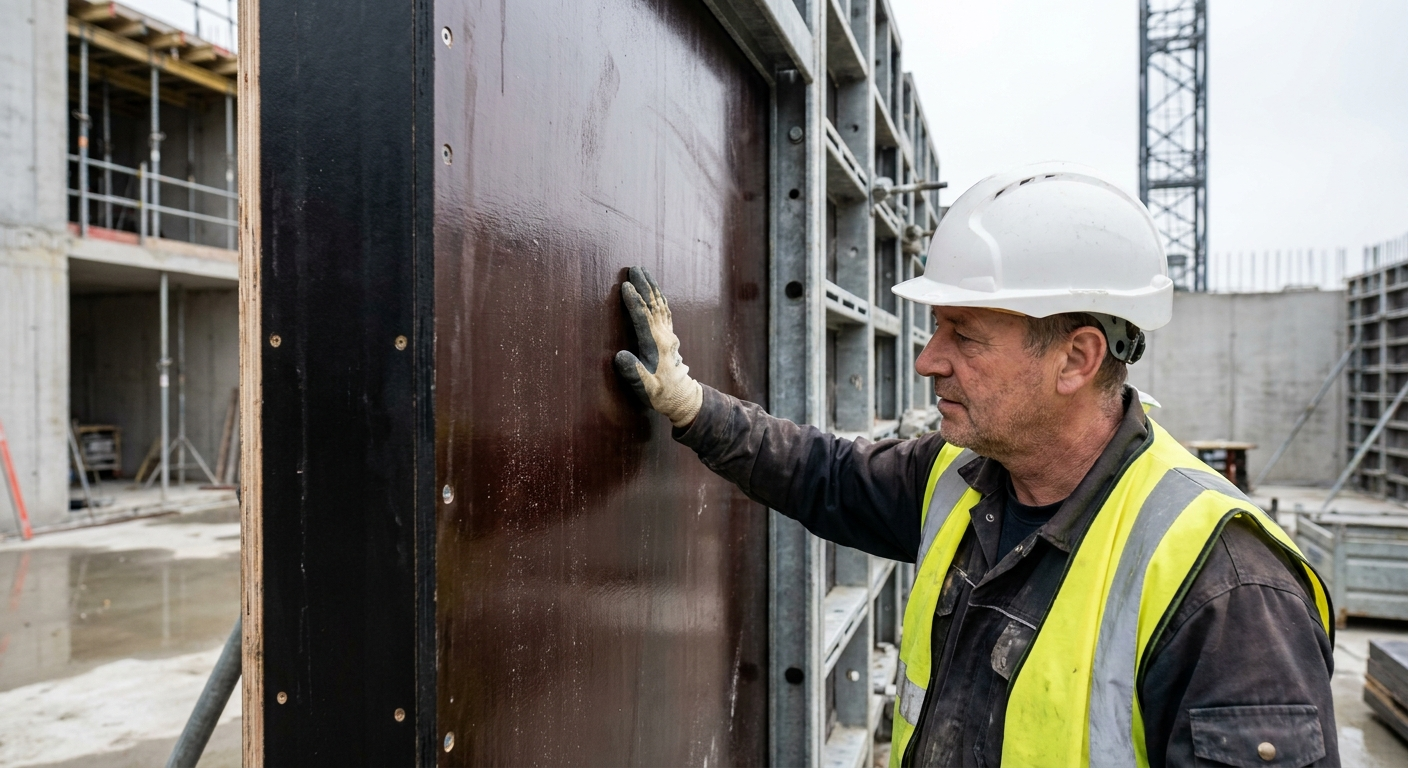
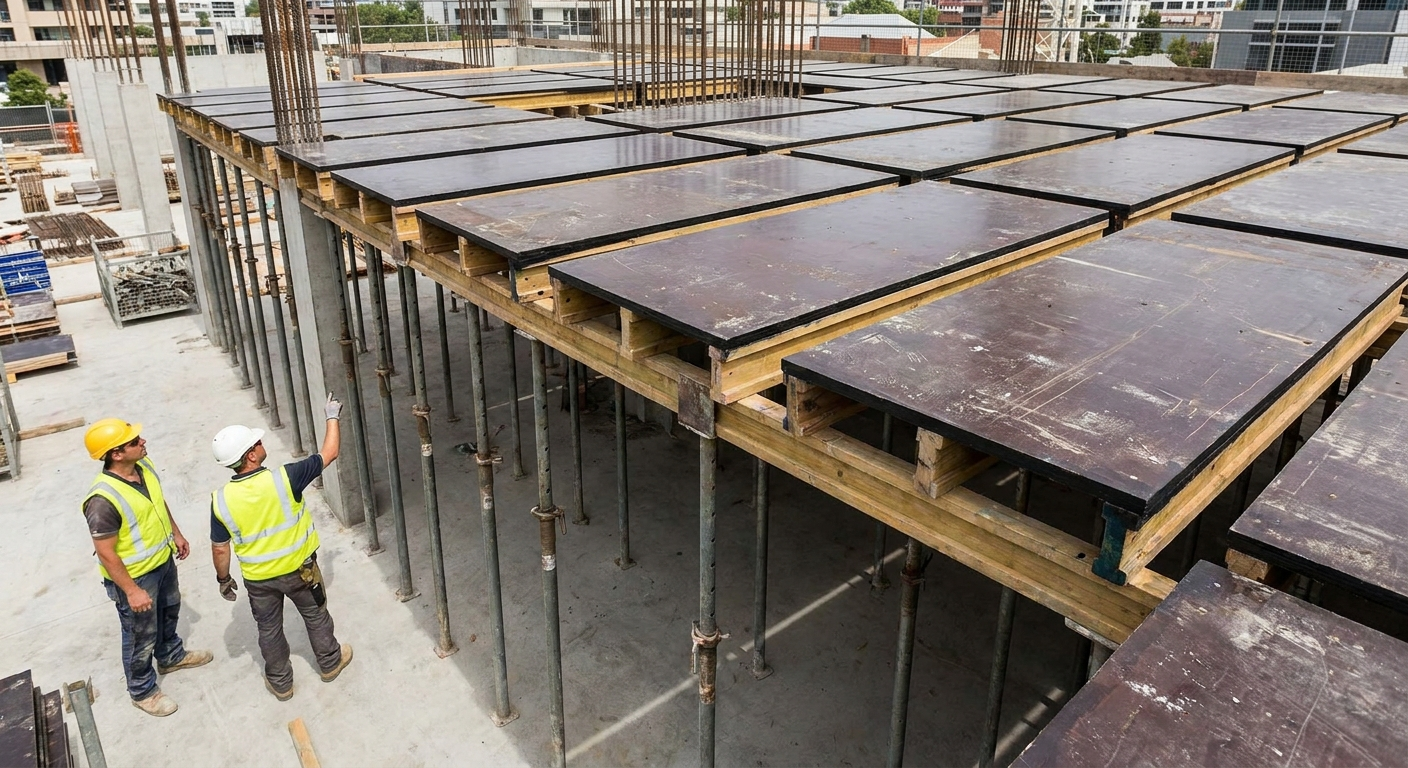
- Casseforme per solai (slab formwork): 18–21mm panels for floor and roof slab pours. The smooth film face produces fair-face concrete quality (calcestruzzo faccia a vista) that reduces or eliminates surface finishing after stripping.
- Casseforme per muri (wall formwork): 18mm panels mounted to steel or timber backing frames. Tie-rod holes are drilled on-site to match the specific formwork system spacing.
- Casseforme per pilastri (column formwork): Custom-cut panels for square and circular column moulds. The 2500mm panel length accommodates standard Italian storey heights (typically 2.7–3.0m floor-to-floor).
- Casseforme per fondazioni (foundation formwork): Ground-contact applications where prolonged moisture exposure is expected. EN 636-3 Pro Form, with its water-resistant phenolic bond, is the grade to specify here.
- Infrastruttura — ponti e gallerie (bridges and tunnels): Large-format 2500×1250mm panels reduce joint lines in exposed concrete surfaces. PNRR infrastructure projects across southern Italy and the Mezzogiorno are driving demand — Pro Form (EN 636-3) is the recommended grade for these extended-exposure applications.
Comparing a Container Quote With Domestic Supply
Builders' merchants and specialist casseforme distributors sell from stock, by the sheet or the pallet, and that convenience is part of what you pay for. A container from the mill works on a different basis. You commit to a full load and plan four to six weeks ahead, and in return you buy at the source with the EN documentation attached to the shipment rather than to a reseller's catalogue.
So the useful comparison is cost per pour, not price per square metre. Take the landed cost of a panel at the grade and thickness you need, then divide it by the pours your crews actually get from it. A Pro Form panel rated for up to 20 pours can cost less per pour on a long PNRR programme than a lighter board replaced twice as often. In our experience the contractors who run that sum before ordering are the ones who end up with the right grade on site.
The case for a container gets stronger on multi-phase projects and for companies with steady formwork consumption. Order size, the mix of grades and thicknesses in one container, and loading are all confirmed on your quotation.
Logistics: Shipping to Italian Ports
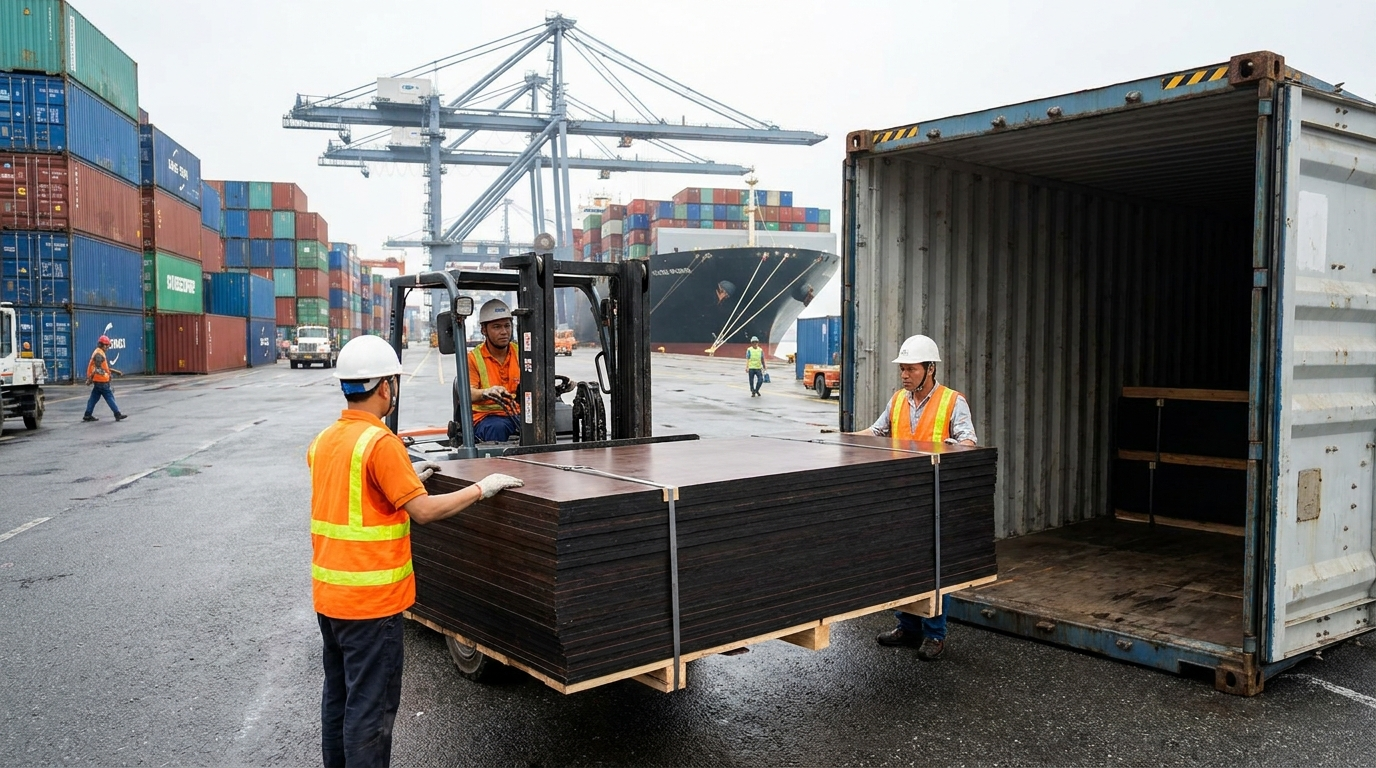
Vinawood ships film faced plywood to Italian ports regularly. The primary routing options from Vietnam:
- Genova: Italy's largest commercial port and the most common destination for Vietnam-origin plywood. Transit time from Hai Phong is approximately 28–32 days via Singapore or Port Klang transhipment.
- La Spezia: Alternative Ligurian port, approximately 1 day additional transit from Genova. Preferred by buyers in Tuscany and Emilia-Romagna.
- Trieste: Adriatic port serving the northeast (Veneto, Friuli-Venezia Giulia) and transit cargo into Austria and Slovenia. Transit 30–35 days.
- Gioia Tauro: Southern Italy transhipment hub. Transit 25–30 days — often the fastest Italian routing for Vietnam cargo due to direct connections on Asia-Mediterranean services.
Standard shipping terms are FOB (buyer arranges freight), with CIF to Genova or Trieste available on request. HS heading 4412 (plywood) applies, and the exact subheading follows the face veneer species declared on the commercial invoice. Order size and payment terms, including any deposit, are confirmed on your quotation, and Letters of Credit are accepted.
Request a Quote — FOB Genova or Trieste
Vinawood supplies formwork plywood to construction companies, timber importers, and casseforme system distributors across Italy. Our team provides EN 636-certified compensato filmato direct from the mill with full documentation for NTC 2018 compliance. Explore our European formwork plywood range:
- Pro Form — EN 636-3, up to 20 reuses, WBP phenolic glue (Class 3), 125 g/m² film
- Pro Form Lite — EN 636-3, up to 15 reuses, WBP phenolic glue (Class 3), 165 g/m² film
- Form Extra — EN 636-2, up to 15 reuses, 165 g/m² film over a Melamine Top (MUF) core
- Form Basic — EN 636-2, up to 10 reuses, standard commercial forming
- Eco Form Plus — EN 636-2, up to 8 reuses, best value for short-duration Italian projects
Category
guides
Related Markets
Related Countries
Related Products
▶Sources & References (3)
- EN 636: Plywood Specifications — CEN European Committee for Standardization (2012-01-01)
- EN 13986: Wood-based panels for use in construction — CEN European Committee for Standardization (2004-01-01)
- Norme Tecniche per le Costruzioni (NTC 2018) — Gazzetta Ufficiale della Repubblica Italiana (2018-02-20)