Moisture Resistant Plywood: MR vs WBP and the Full Moisture-Grade Ladder (IS 303, EN 636, AS/NZS 2271 Mapped)
MR, BWR, BWP, Marine, WBP melamine, WBP phenolic — six moisture-grade rungs explained, mapped against IS 303, IS 710, EN 636, AS/NZS 2271, and BS 1088. Includes a side-by-side comparison table and a field-test protocol for buyers who want to verify the grade before they buy.
What is moisture resistant plywood?
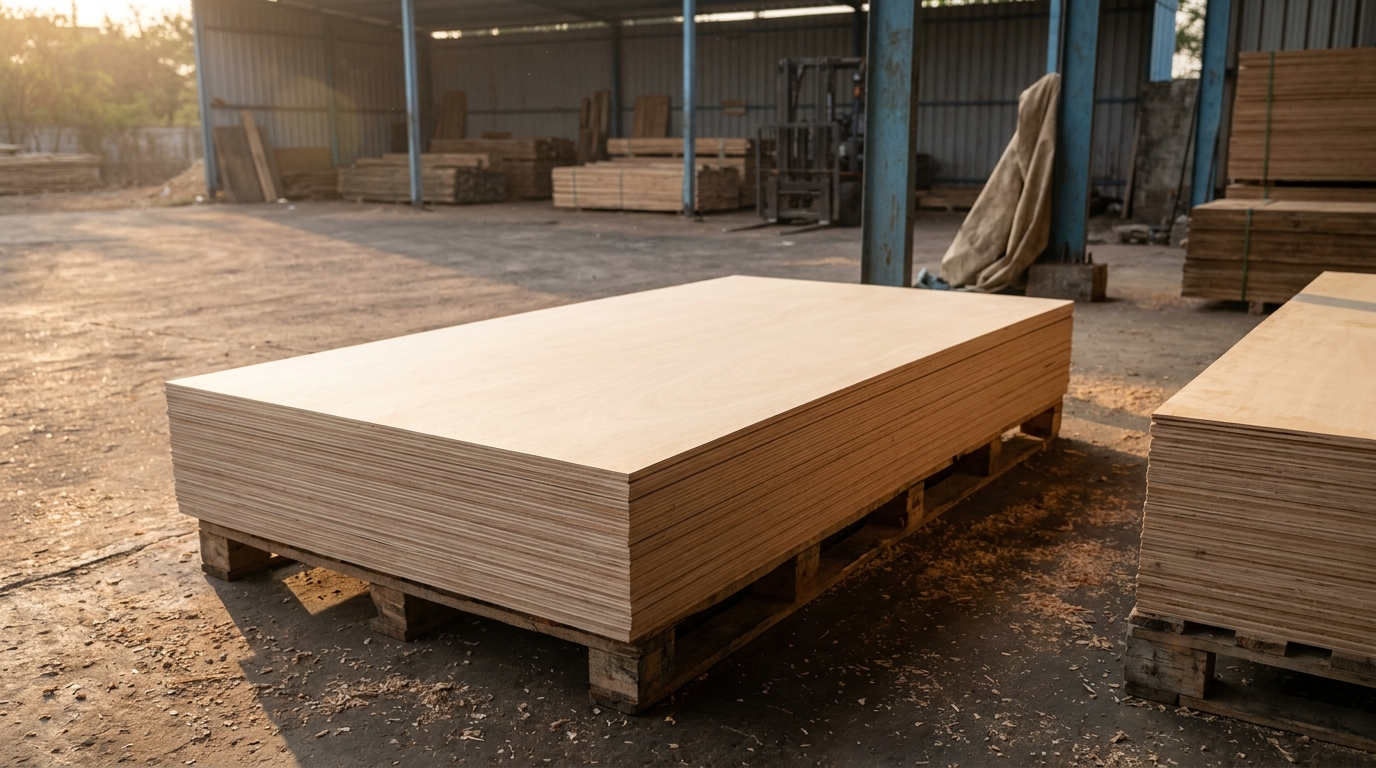
Moisture resistant plywood, sold as "MR plywood" on most Indian datasheets, is plywood bonded with urea-formaldehyde (UF) glue. It tolerates indoor humidity but it is not waterproof, and that single distinction is where most buying mistakes start. "Moisture resistant" reads like "water resistant," yet MR sits on the bottom rung of the moisture-grade ladder: right for dry interior furniture, wrong for anything that meets standing water.
The glue is the whole story. UF is hard, cheap, and water-soluble, so under a sink leak, a bathroom overflow, or a coastal monsoon it hydrolyses at the glue line and the panel delaminates. The face veneer has nothing to do with it — a glossy MR panel is no more water-rated than a plain one. Under IS 303 the MR bond is the lowest of the moisture classes, and it fails the 2-hour boil test that every grade above it passes.
When MR is enough, and when to step up (India quick reference)
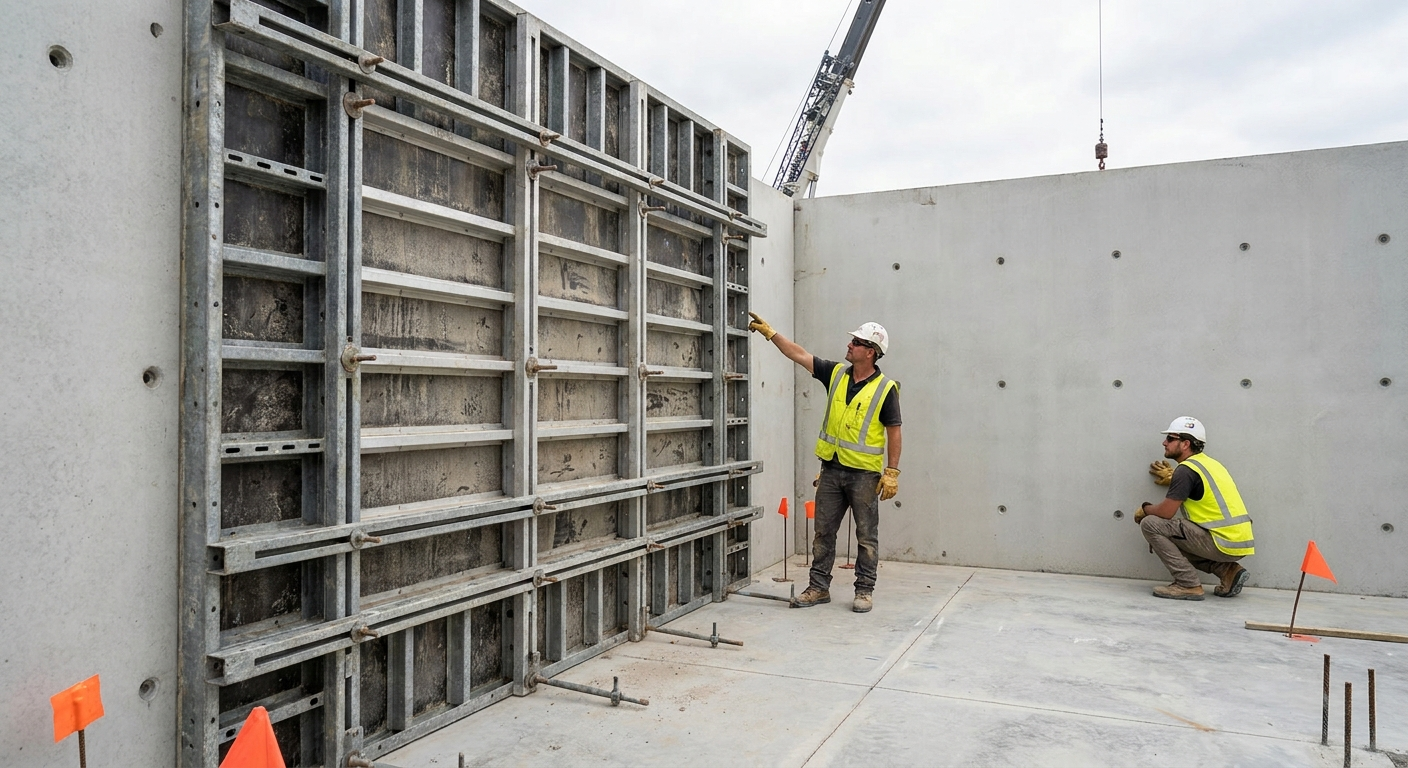
For dry interior work like wardrobes, bookshelves, and bedroom or living-room furniture kept away from water, MR plywood is the economical and correct choice. For bathroom partitions, kitchen wet zones, and any cabinetry near a sink, step up to BWR, which survives intermittent saturation. For sustained water contact such as boat work or rooftop tank cladding, go to BWP or marine plywood, which use a phenolic bond. For concrete formwork, the WBP rungs apply: melamine (Class 2) for moderate reuse, phenolic (Class 3) for high rotation. Our plywood moisture content guide covers how site humidity affects any of these panels.
On price: searches for "moisture resistant plywood price" usually mean "how cheap can I go," but the real cost lever is the grade, not the per-sheet rate. Specifying MR for a wet zone to save money almost always costs more once the cabinet corners swell and the unit is rebuilt. The cheapest sheet that survives the job is the one matched to the right rung — often MR for dry interiors, BWR or above the moment water enters the picture. We don't quote panel prices here; choose the grade first, then ask suppliers to price that grade.
Most people first meet "MR plywood" stamped on the edge of a kitchen cabinet panel and assume MR means "moisture proof." It does not. MR sits at the bottom rung of the moisture-resistance ladder, just above interior-grade plain plywood. WBP sits at the top. Between them are three more rungs that matter when a panel is going to see real water. This article walks the whole ladder, maps the Indian IS-303 / IS-710 grades to EN 636 Classes and Australian AS/NZS 2271 bonds, and shows where each grade earns its keep.
The moisture-grade ladder, in one paragraph
Five rungs run from indoor humidity tolerance to fully exterior-rated waterproof bond: MR (urea-formaldehyde, indoor only), BWR (modified urea or melamine-fortified, intermittent moisture), BWP and Marine (phenol-formaldehyde, sustained water contact), WBP melamine (melamine-urea-formaldehyde, formwork-grade with full WBP rating), and WBP phenolic (phenol-formaldehyde tuned for high-rotation formwork). The adhesive chemistry, not the face appearance, is what determines the rung — every rung above MR can have the same birch or hardwood face on top of a very different glue line underneath.
Rung 1 — MR (Moisture Resistant) plywood
MR plywood is bonded with urea-formaldehyde (UF) glue. UF is hard, cheap, and very water-soluble. Under indoor humidity it holds; under sustained wet contact or a single saturation cycle it hydrolyses at the glue line and the panel delaminates. IS 303 lists MR as one of three bond classes; EN 636 calls the equivalent service envelope Class 1 (interior, dry). Australian AS/NZS 2271 does not carry an MR equivalent at all — Australian grading starts at D-Bond, which is closer to BWR. A common error in India is to spec MR for kitchen sink units; another is to confuse a hard, glossy MR face for a moisture-rated bond. The face has nothing to do with it. Cut into the edge, the glue line tells you the truth.
Rung 2 — BWR (Boiling Water Resistant) plywood
BWR uses modified urea or melamine-fortified urea glue. It survives short boil cycles in the IS 303 test (2 hours at 100°C) and tolerates intermittent saturation, which makes it suitable for bathroom partitions, semi-exposed cabinetry, and the wet corners of a kitchen where MR fails. BWR maps to EN 636 Class 2 (interior, intermittent moisture, or protected exterior). On an Australian datasheet, the closest equivalent is D-Bond. BWR is the most common upgrade path for Indian furniture buyers who realise that MR isn't going to survive monsoon humidity in a coastal city.
Rung 3 — BWP and Marine plywood
BWP (Boiling Water Proof) sits a rung above BWR. The bond is phenol-formaldehyde (PF), the same family of phenolic resins used in formwork and structural plywood. PF survives the 8-hour boil test in IS 710 plus a knife test on the glue line. BWP plywood typically pairs that glue with preservative-treated veneers (zinc-chrome or boron compounds against borer and termite) and is the grade most boat builders, exterior siding installers, and rooftop water-tank cladders specify. EN 636 calls the same envelope Class 3 (exterior, sustained moisture). BS 1088 layers an additional marine specification on top, controlling face quality, core wood species, and glue performance to a higher standard.
Rung 4 — WBP melamine (Class 2 formwork)
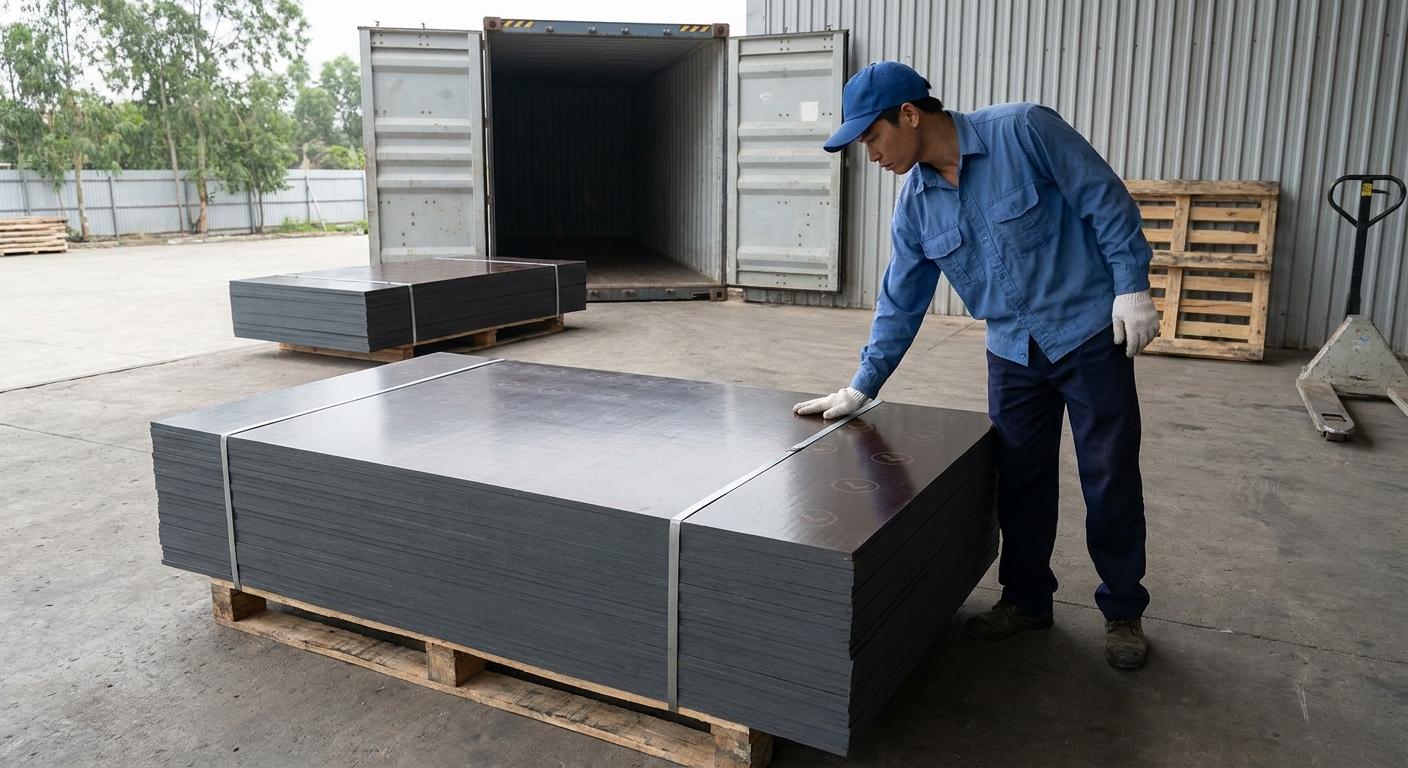
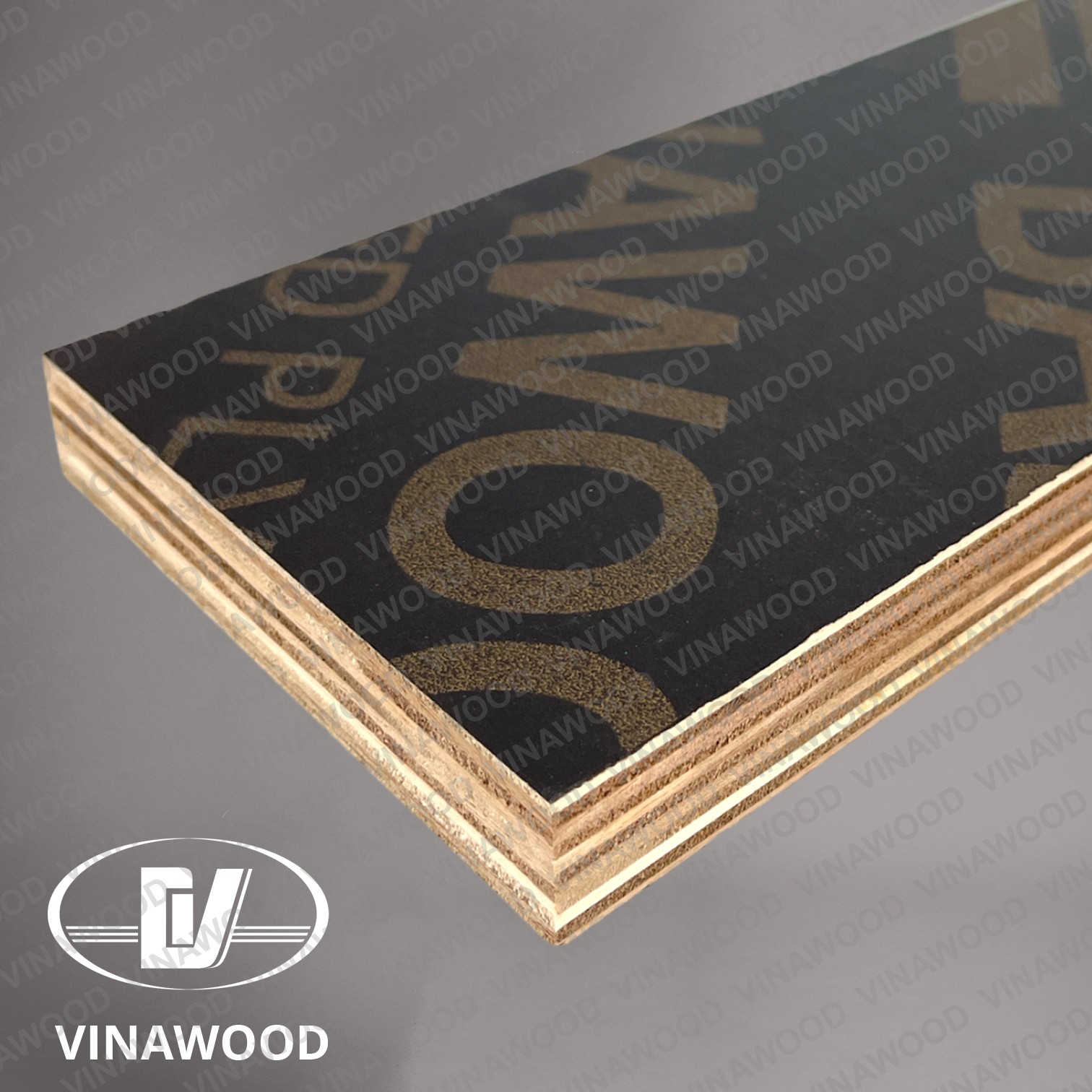
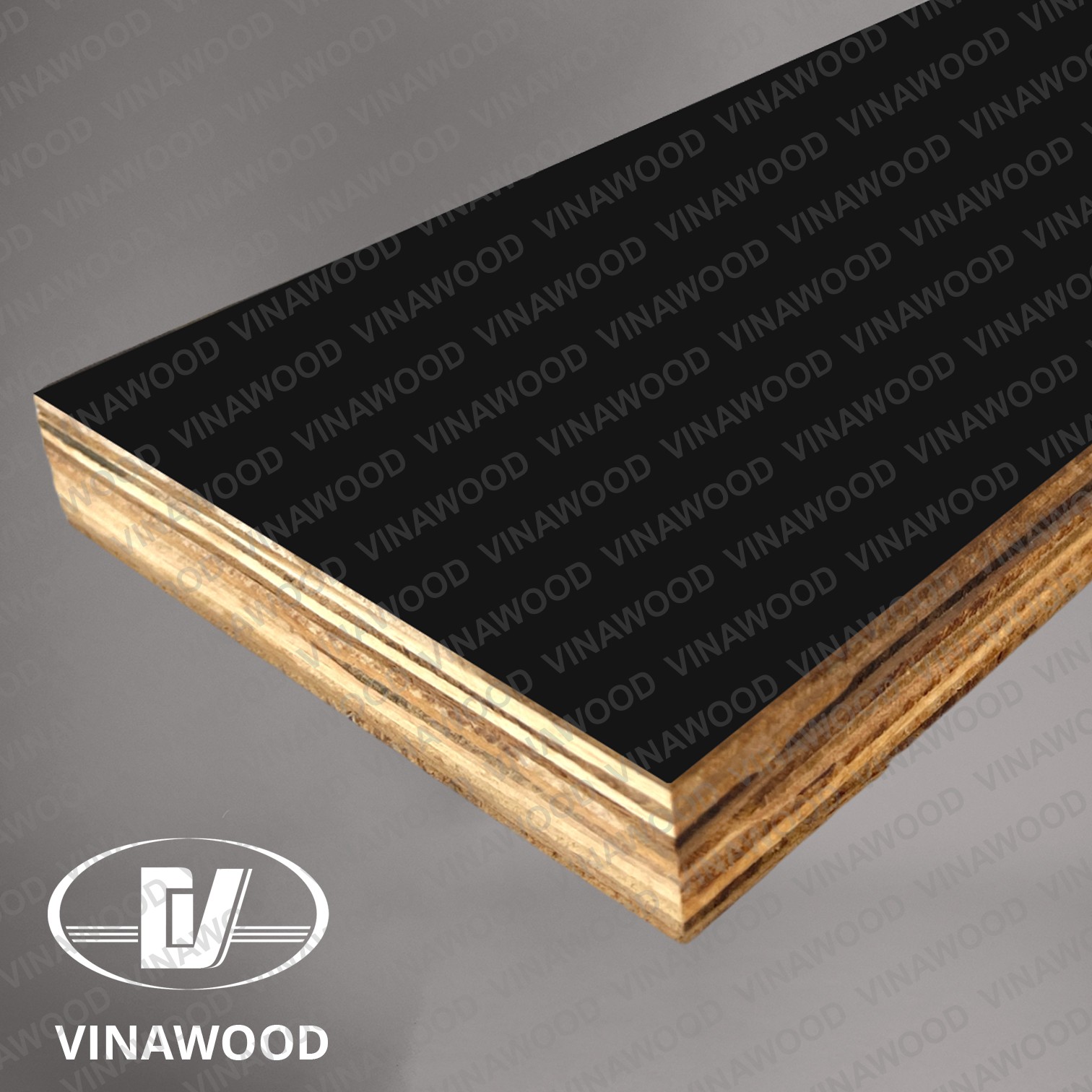
WBP melamine plywood is bonded with melamine-urea-formaldehyde (MUF) glue, where melamine is added to UF to harden the bond against moisture. The MUF bond passes the WBP test, but its sustained-moisture service envelope is more limited than phenolic. EN 636 Class 2 is where these panels live: intermittent saturation, formwork reuse up to 10-15 cycles when stripped and stored properly, and decking under a film face. Vinawood Form Basic, Form Extra, and Eco Form sit in this rung. The mistake on this rung is treating melamine WBP as inferior — for budget formwork and intermittent-saturation use cases, it's the right product. We've shipped Form Extra for years to contractors who routinely get 12-15 pours from a panel when they treat it properly, and that's the use case it was built for.
Rung 5 — WBP phenolic (Class 3 formwork)
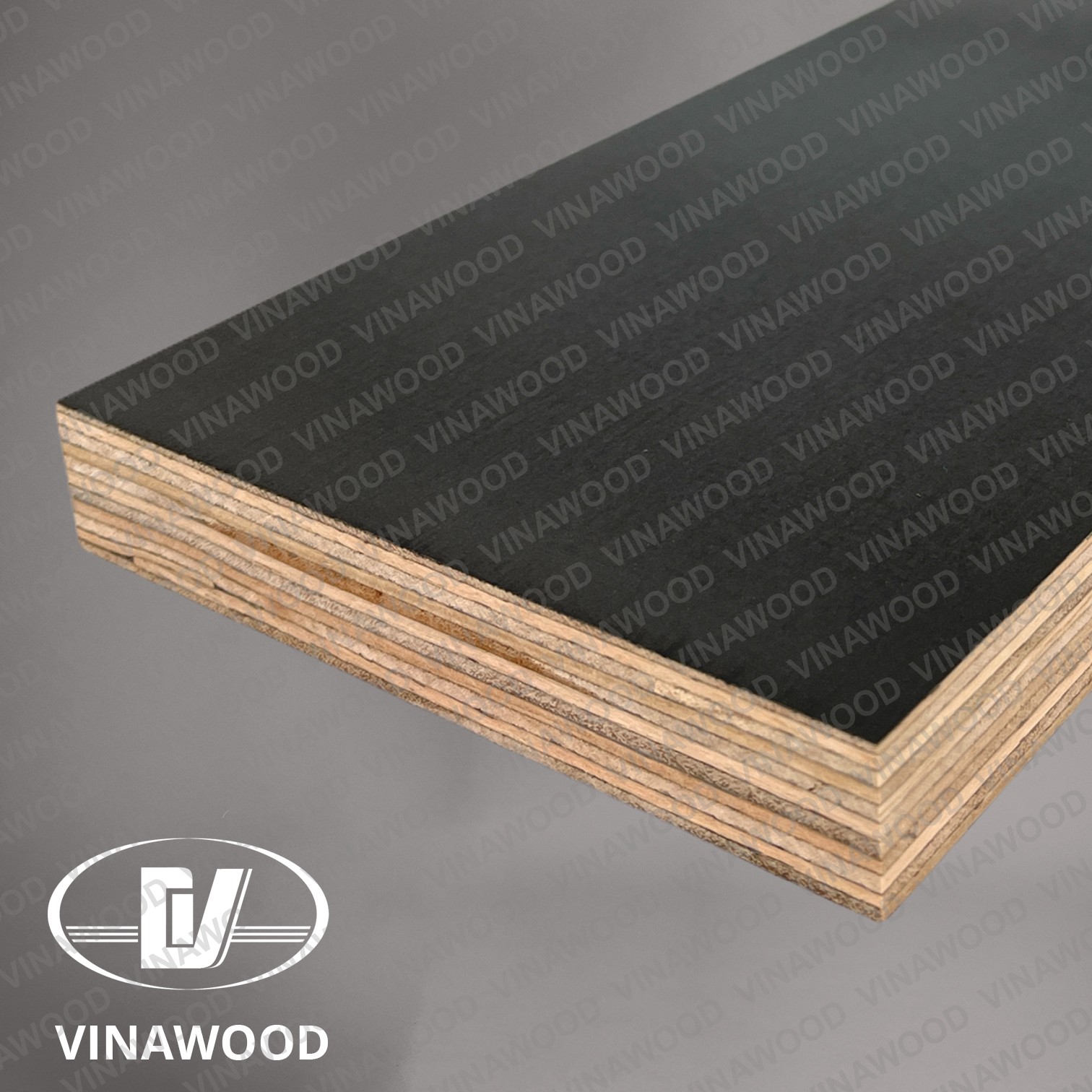
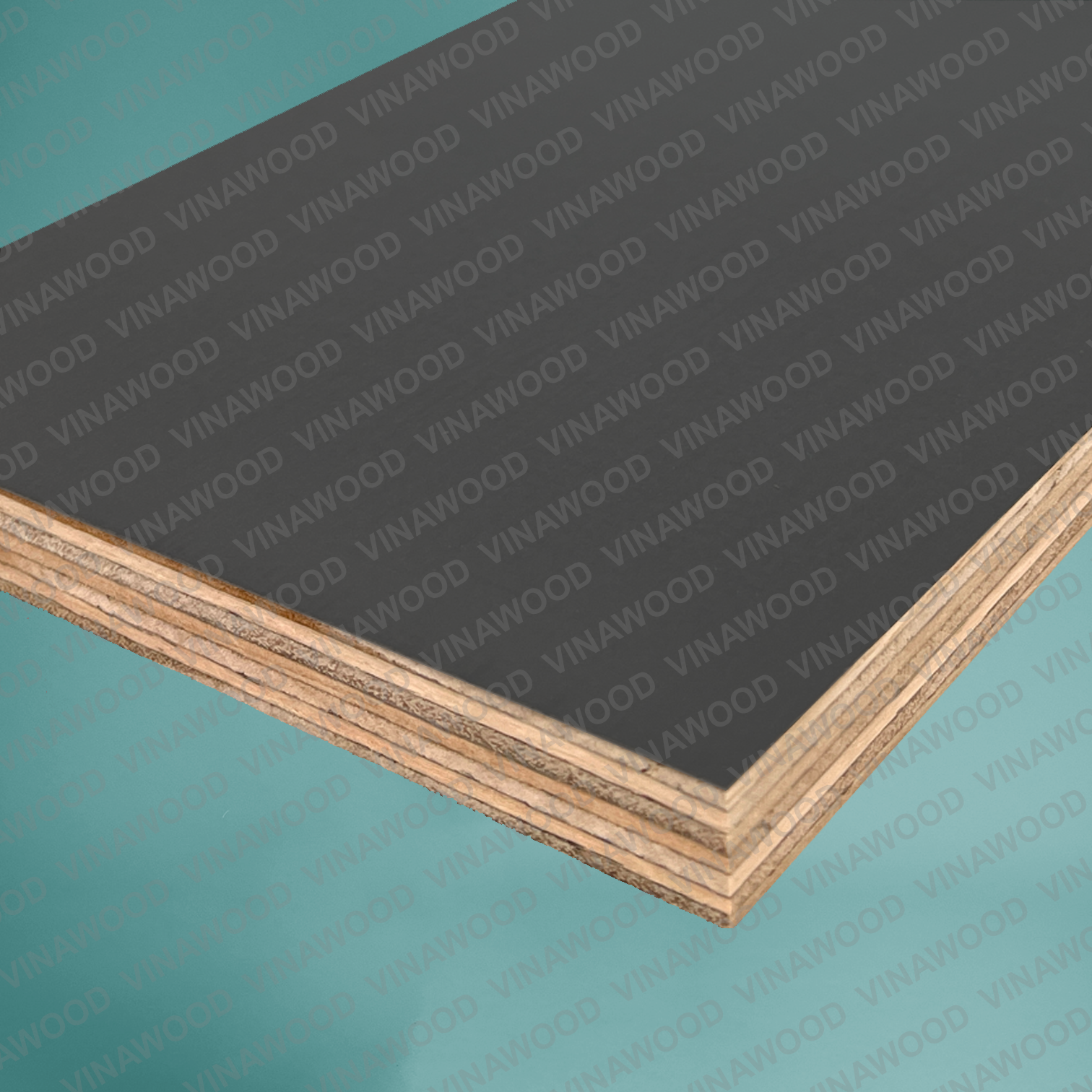
WBP phenolic uses phenol-formaldehyde glue, the same chemistry as marine BWP, but tuned for the abrasion, alkalinity, and reuse cycles of formwork. EN 636 Class 3 is the rating, and the AS/NZS 2271 A-Bond is the Australian equivalent for marine-quality exterior use. WBP-glue plywood explained covers the chemistry in more depth. Vinawood Pro Form and the HDO range sit on this rung, with up to 20 reuse cycles on the premium specifications. The decision between Rung 4 and Rung 5 isn't about "better adhesive" — it's about service envelope. A contractor pouring 5-6 columns and stripping carefully should not pay for phenolic; a contractor running a high-rise formwork rotation on tight cycles should not specify melamine.
The MR vs WBP confusion table
Sitting all five rungs side by side makes the picture readable in one glance. The boil test column is where most field confusion lives — MR fails it cleanly; everything else passes with varying margins.
| Grade | Glue | Boil test | IS std | EN 636 | AS/NZS | Reuses (formwork) | Typical use |
|---|---|---|---|---|---|---|---|
| MR | UF | Fails | 303 MR | Class 1 | n/a | n/a | Indoor furniture |
| BWR | UF + melamine | Partial pass | 303 BWR | Class 2 | D-Bond | n/a | Bathrooms, semi-exposed |
| BWP / Marine | PF | Full pass | 710 | Class 3 | A-Bond | n/a | Boats, exterior, water contact |
| WBP melamine (Form Basic, Form Extra) | MUF | Full pass | n/a | 636-2 | D-Bond+ | up to 10–15 | Formwork, intermittent saturation |
| WBP phenolic (Pro Form, HDO) | PF | Full pass | n/a | 636-3 | A-Bond | up to 20 | Formwork, exterior, exposed service |
One quick read of this table also clarifies why Australia has no "MR grade." The AS/NZS 2271 ladder starts at the bond level where Indian standards put BWR. Australian buyers reading an Indian supplier datasheet that says "BWR plywood" should read it as "about D-Bond" — close, not identical, but in the same service envelope.
Three failure modes worth calling out
The first is using MR where BWR was needed. UF glue does not survive a bathroom basin overflow, a kitchen sink leak, or a monsoon-season humidity spike. Cabinets fail at the bottom corners first because that's where water pools. The fix is BWR for bathrooms and kitchen wet zones, not MR with a thicker face veneer or a glossy melamine laminate on top.
The second is treating all "WBP" panels as the same grade. Both melamine and phenolic adhesives pass the WBP boil test, but the service envelope difference is 2x to 3x on practical reuse counts. A contractor who specifies "WBP plywood" without clarifying melamine or phenolic gets whatever the supplier ships first. For Class 2 service that's fine; for Class 3 service it's a hidden cost in lost reuses.
The third is specifying MR for formwork. The boil test isn't an abstract laboratory check — formwork sees real saturation from concrete water, then it sees direct sunlight, then it sees another pour. A UF-bonded panel delaminates at the bond line after a single saturated cycle. Phenolic plywood deep dive walks through the wet-dry cycle failure modes in detail.
How to verify which grade you actually have
Three checks work without lab equipment. First, edge inspection. The glue line color is diagnostic: light cream is UF (MR); slightly amber is melamine; dark brown to black is phenolic. The line should be continuous, the same thickness across the edge, and not powdering when you scratch it with a thumbnail. Powdering at the glue line is a sign of undercured adhesive — a problem on any rung.
Second, the test certificate. An IS 303 BWR or IS 710 BWP claim should be backed by a recent third-party report from an accredited lab. In India, IPIRTI (Bengaluru) and FIPL run the standard test panels; in Australia, CSIRO and EWPAA accredit the testing; in Europe, FCBA (France) and FERA (UK) issue the EN 636 certifications. A supplier who can produce a recent dated report carries credibility; one who shows you only an in-house print-out should be queried.
Third, the boil-test self-check. Cut a 50 mm × 50 mm chip from a panel corner, drop it in boiling water for two hours, lift it out, and try to pry the plies apart with a thin knife. If the plies separate at the glue line, the panel is MR. If they hold and the wood fibres tear when forced, the panel is at least BWR. It's a rough check, but it tells you immediately whether the panel claim matches reality.
Where Vinawood plywood fits on the ladder
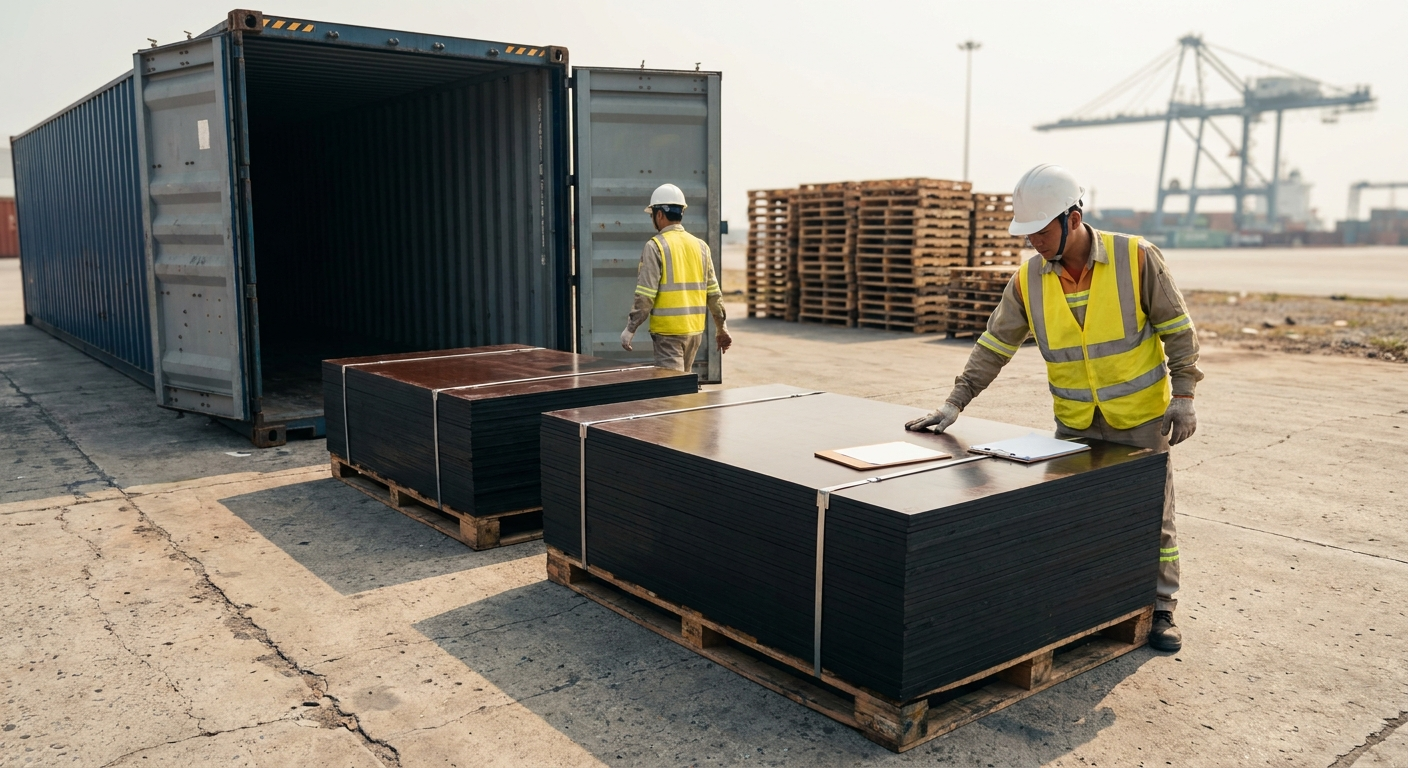
Vinawood produces the upper rungs of the ladder. WBP melamine sits in Form Basic, Form Extra, and Eco Form, engineered for Class 2 formwork service envelopes with up to 10-15 reuse cycles. WBP phenolic sits in Pro Form and the HDO range, engineered for Class 3 high-rotation formwork with up to 20 reuse cycles. Marine plywood for boat building and exterior water-contact applications is available to BS 1088 specification with phenolic bond and treated face veneers. The full film-faced formwork plywood range sits across both Class 2 and Class 3, depending on the panel.
The MR rung is intentionally not part of the export range. For Indian indoor furniture buyers, MR panels from local mills are usually more cost-effective than an imported panel — the shipping economics favour local supply on the lowest rung, where price-per-sheet drives the decision. For BWR upward, the calculation changes: certification, traceability, and consistency across containers start to matter, and that's where an export-grade specification carries its weight. The shuttering plywood India guide covers the Indian formwork market in more detail.
Category
guides
Related Markets
Related Countries
Related Products
▶Sources & References (5)
- IS 303 — Plywood for General Purposes — Bureau of Indian Standards (1989-01)
- IS 710 — Marine Plywood Specification — Bureau of Indian Standards (2010-01)
- EN 636 — Plywood Specifications — European Committee for Standardization (2015-01)
- AS/NZS 2271 — Plywood and blockboard for exterior use — Standards Australia (2004-01)
- BS 1088 — Marine plywood specification — British Standards Institution (2018-01)