3/4 plywood: Actual Sizes, Types and Common Uses
Is 23/32" the same as 3/4" plywood? Yes — it's the actual milled thickness of nominal 3/4" stock. The actual size in inches and mm, why the panel comes in under its name, when the 1/32" gap matters for cabinet joinery, common uses, and how to pick the right grade.
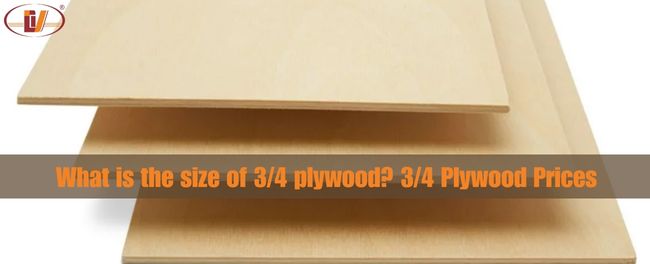
Caliper a sheet stamped "3/4 plywood." Odds are you land near 23/32", not a clean 0.750". Shops argue about this every week. Short version: the name is 3/4"; the milled sheet is 23/32". Same panel. Different labels.
Is 23/32" the same as 3/4" plywood?
Yes. Nominal vs actual. That is the whole story.
| Call-out | What it is | Thickness (inch) | Thickness (mm) |
|---|---|---|---|
| 3/4" | Nominal (named) size | 0.750" | 19.05 mm |
| 23/32" | Actual milled size | 0.71875" | ~18.26 mm |
| Difference | Sanding + tolerance | ~0.031" | ~0.8 mm |
One lumberyard prints 23/32" on the sticker. The next one prints 3/4". You are usually buying the same thickness of sheet. Cut lists still say 3/4" because that is the language framers grew up with.
Why a 3/4" sheet measures 23/32"
Drying shrinks veneers a hair. Face sanding takes another skim. Mill tolerance sits under the nominal name on purpose. Put those together and the industry settled on 23/32" as the honest number.
Think of dimensional lumber. A "2x4" is not 2" by 4". Plywood plays the same game. Metric charts look messy for the same reason — the inch name and the mm reality never meet on a round number.
3/4" plywood actual size
Full sheet: 4 ft × 8 ft, or 1220 × 2440 mm. Thickness is where the label lies a little. Approximate map:
| Nominal | Actual (approx.) | Metric (approx.) |
|---|---|---|
| 1/4" | 7/32" | ~6 mm |
| 3/8" | 11/32" | ~9 mm |
| 1/2" | 15/32" | ~12 mm |
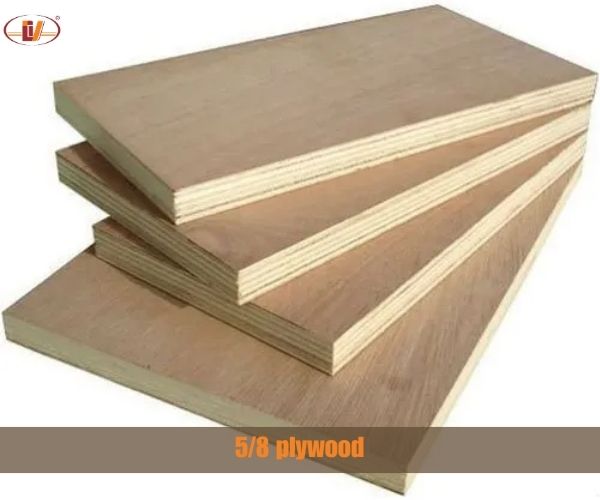
| 5/8" | 19/32" | ~15 mm |
| 3/4" | 23/32" | ~18 mm |
| 1" | 1" (less sanding loss) | ~25 mm |
Roughly 1/32" under the name, every step. Oversized and specialty sheets are covered in the plywood sizes guide.
When the 1/32" difference matters — and when it doesn't
Subfloor? Forget it. Wall sheathing? Same. Roof deck? Same. Rating and spacing matter more than that last 1/32". A 23/32" T&G panel on 16" centers is the everyday 3/4" subfloor call.
Cabinets care. A lot. Cut a dado to a true 3/4" and a 23/32" shelf rattles. Cabinet makers measure the pile in front of them and cut to that. Undersized dado sets exist for this exact reason. Flush a plywood panel to a solid 3/4" edge and the step shows if you trusted the stamp. Structure can use the name. Joinery measures.
Common uses of 3/4" plywood
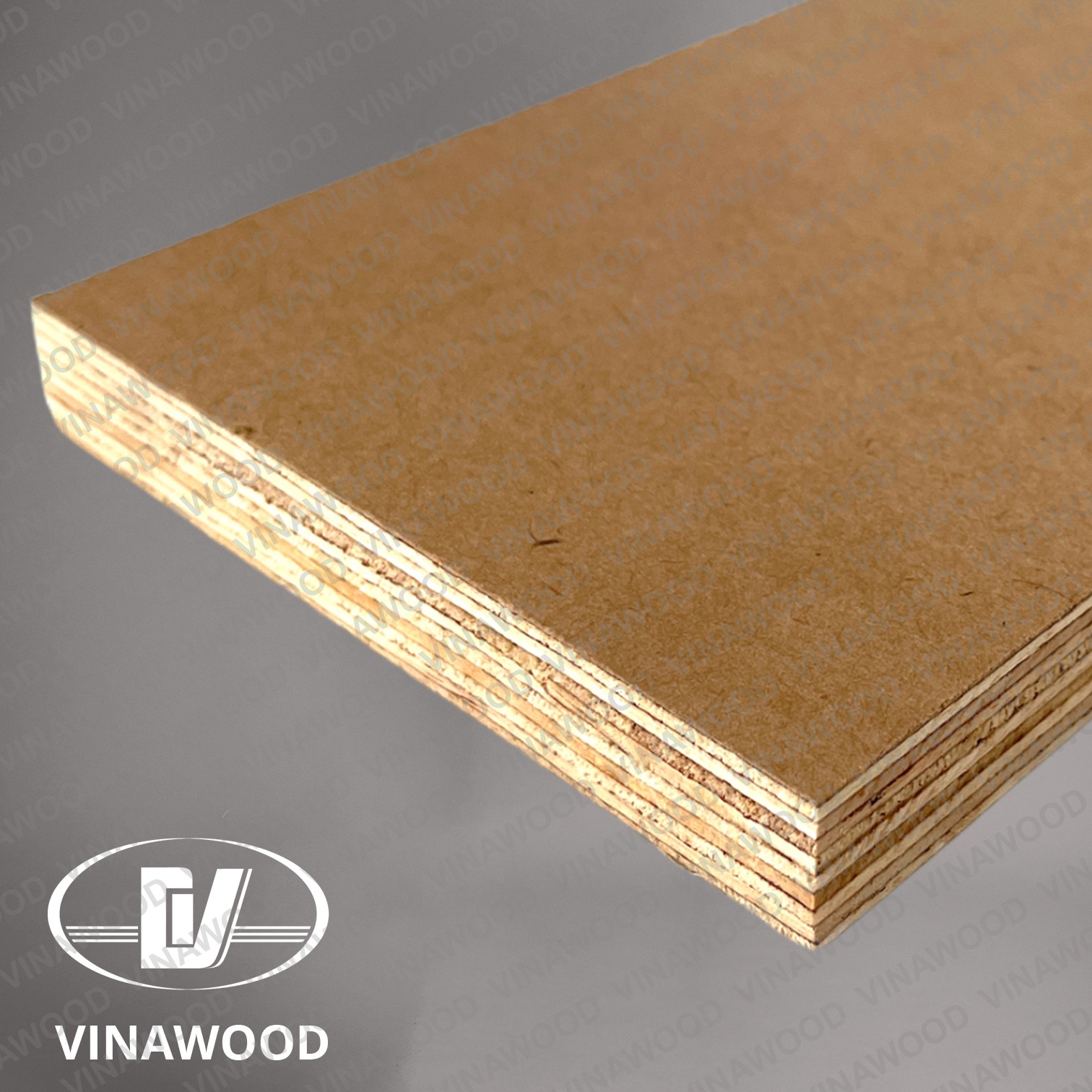
Default thickness when a panel has to carry weight or take screws in the edge.
- Subfloor on 16" or 19.2" centers, usually tongue-and-groove.
- Cabinet boxes and shelves that must not sag under dishes or books.
- Built-ins and furniture with screwed edge joints.
- Bench tops and shop jigs — often two sheets laminated to ~1.5".
Species still changes the feel. Birch face, less sag. Softwood face, more bounce on a long shelf.
3/4" plywood by type and grade
Thickness stays put. Face and glue change the job:
- Sanded (A-C / B-C): cabinets, furniture, paint work.
- CDX: rough faces, Exposure 1 bond, sheathing under something else.
- Birch: stiff hardwood face — cabinet shops live on it.
- Marine: tight core and a water-resistant WBP-class bond for wet zones.
Letter grades and bond classes sit in the plywood grades guide. Core species trade-offs are in hardwood vs softwood. Installing a quiet 3/4" subfloor: subfloor installation guide.
Quick reference
| Question | Answer |
|---|---|
| Is 23/32" the same as 3/4"? | Yes — same panel, nominal vs actual |
| Actual thickness of 3/4" plywood | 23/32" (0.71875"), ~18.26 mm |
| Nominal 3/4" in mm | 19.05 mm |
| Standard sheet size | 4 ft × 8 ft (1220 × 2440 mm) |
| OK to swap for subfloor? | Yes |
| OK to swap for cabinet dados? | No — cut to the measured sheet |
About Vinawood
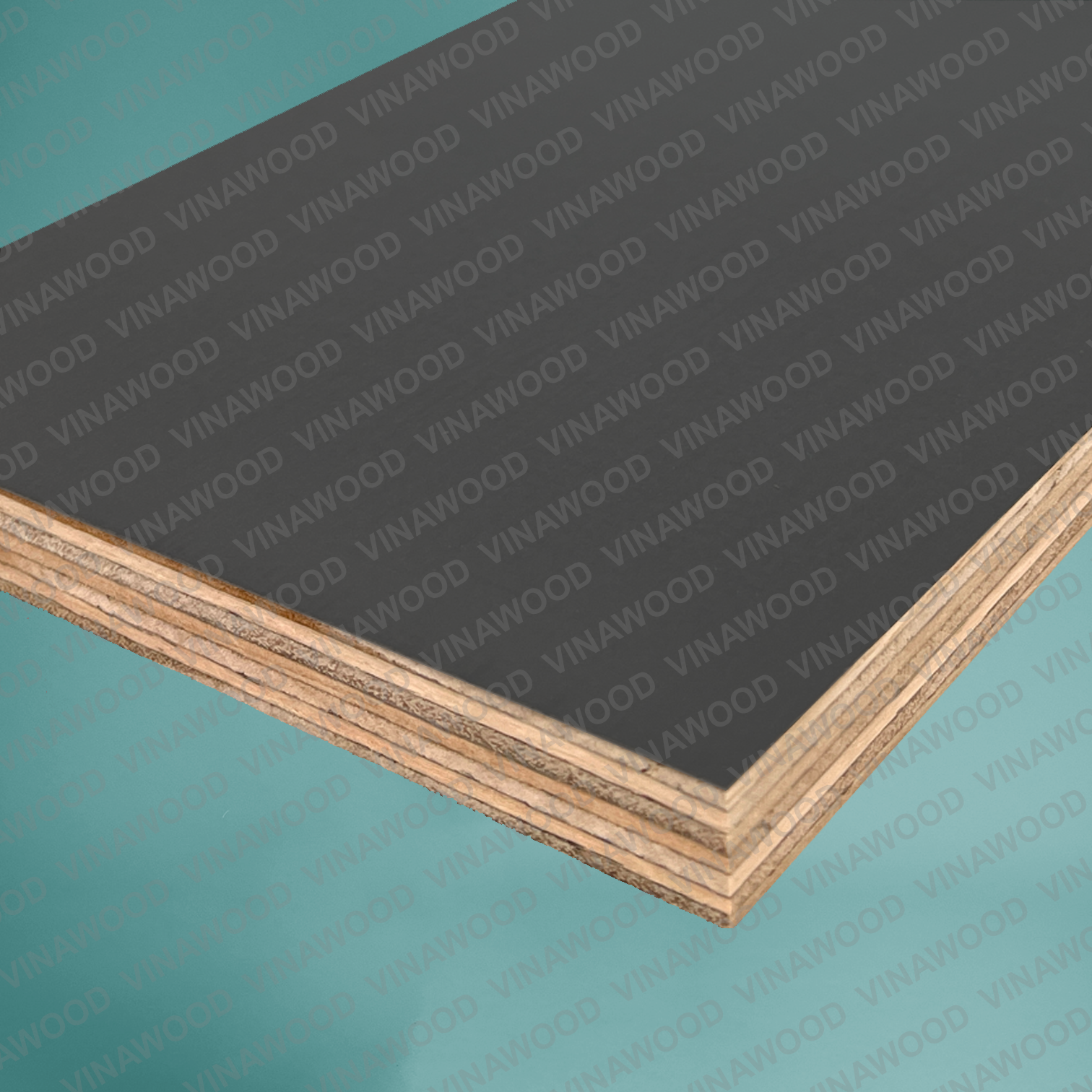
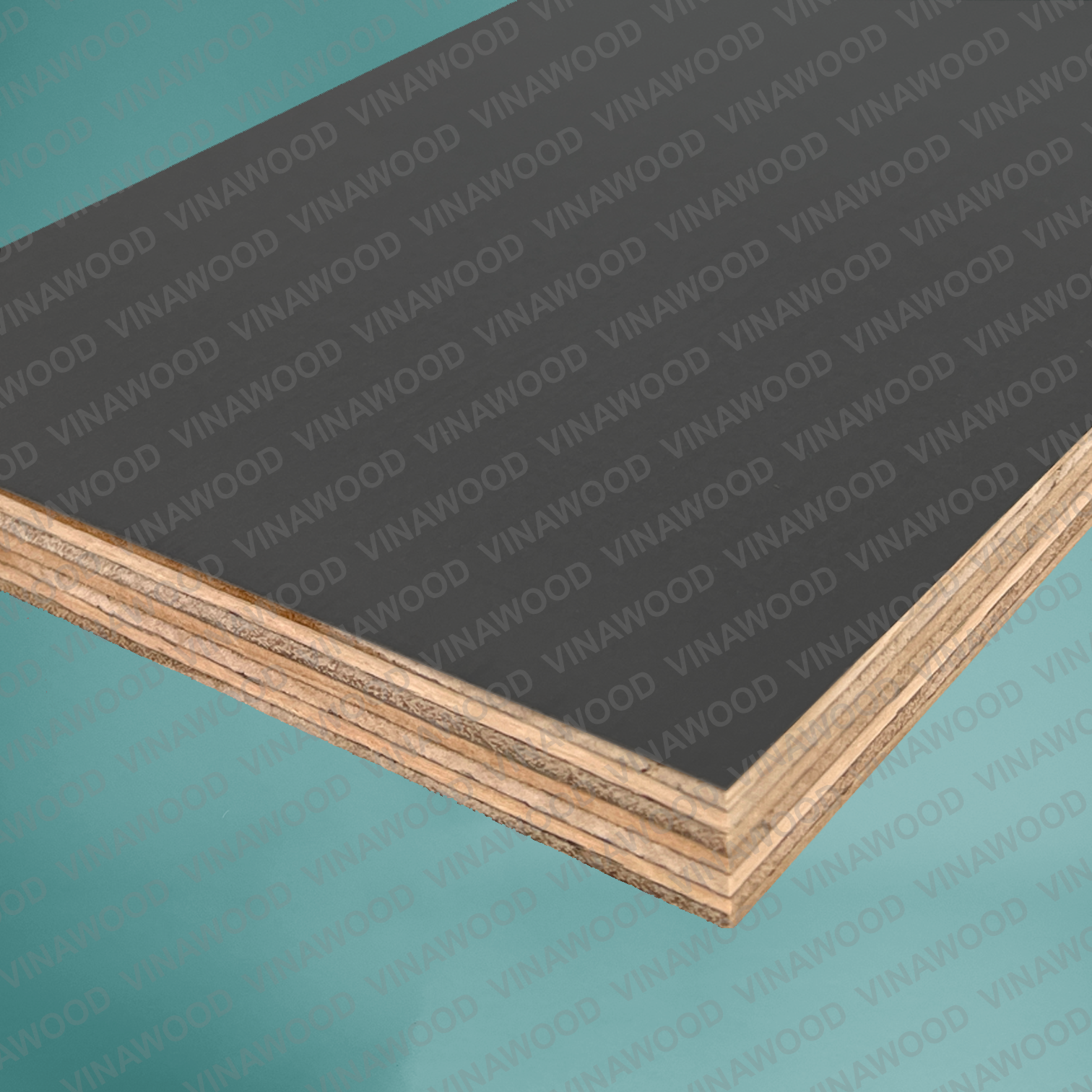
Vinawood started in 1992 as a Vietnamese plywood mill. We ship 5,000+ containers a year into 55+ countries. North American buyers mostly know us for film-faced formwork around the ~18 mm / 3/4" nominal band — HDO plywood with a WBP phenolic bond (EN 636-3 / Class 3, up to about 20 reuse cycles) and MDO plywood for matte forming. Sheet sizes: 1220 × 2440 mm and 2500 × 1250 mm. Papers on file: EPA TSCA Title VI / CARB Phase 2, CE under EN 13986, FSC CoC, ISO 9001. APA-stamped domestic panels still own permanent US subfloor and sheathing. Our lane is factory-direct formwork and overlay. Specs: vinawoodltd.com.
Category
guides
Related Markets
Related Countries
Related Products
▶Sources & References (3)
- Voluntary Product Standard PS 1-19 — Structural Plywood — APA / U.S. Department of Commerce (2019)
- Voluntary Product Standard PS 2-18 — Performance Standard for Wood Structural Panels — APA / U.S. Department of Commerce (2018)
- ANSI/HPVA HP-1-2020 — Hardwood and Decorative Plywood — Hardwood Plywood and Veneer Association (2020)