Plywood Price in the Philippines (2026): Per-Sheet Cost by Type & Thickness
What plywood actually costs in the Philippines in 2026, per 4×8 sheet, by type and thickness — ordinary, marine and phenolic — plus what drives the price, where to buy, and when factory-direct import beats local retail.
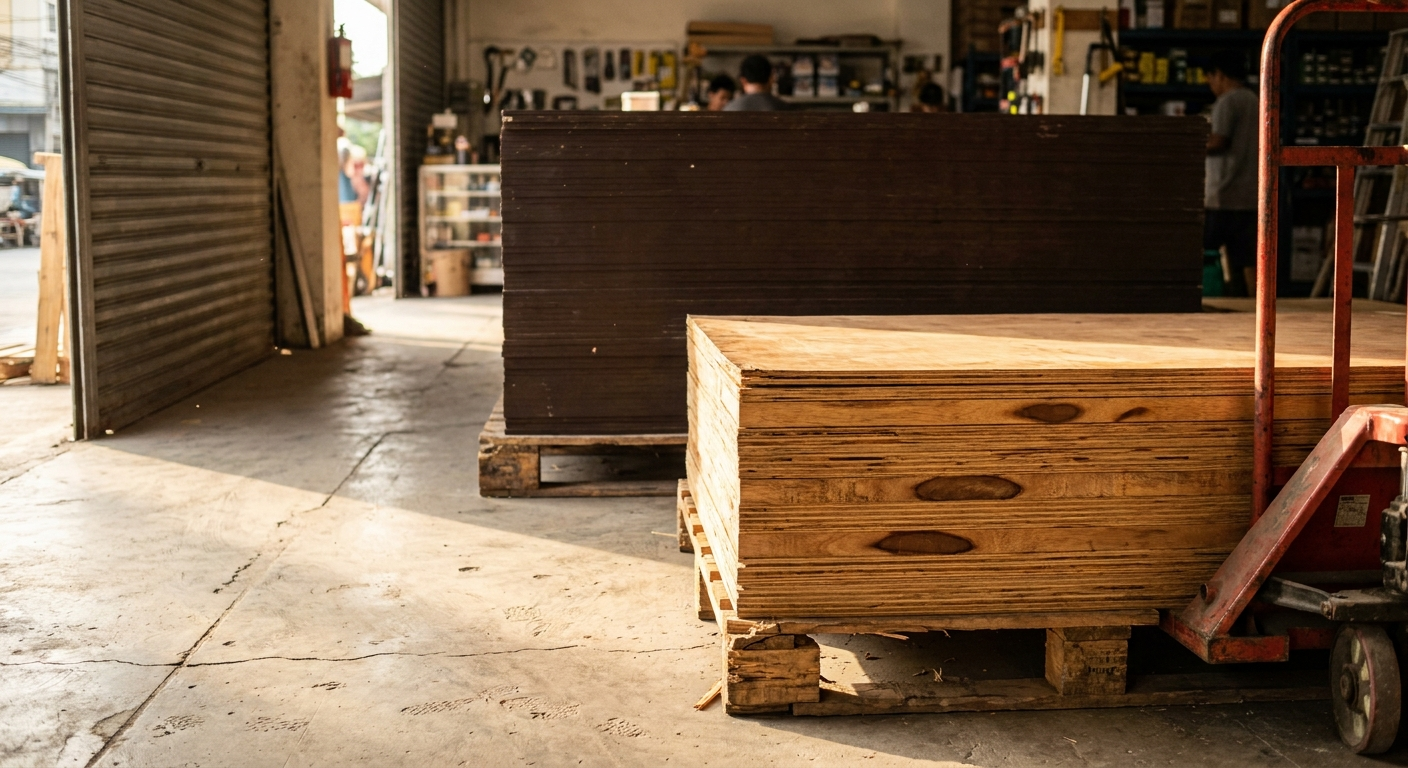
Search "plywood price philippines" and the answers swing from ₱350 to past ₱1,700 for what looks like the same 4×8 sheet. The spread is not noise. It tracks four things the search term hides: the plywood type, the thickness, the brand tier, and where you buy it. A 1/4-inch ordinary sheet and a 3/4-inch marine sheet are both "plywood," yet they sit at opposite ends of that range for sound reasons.
This guide reads the price by type and by thickness in 2026 peso terms, then explains what actually moves the number so you can tell a fair quote from a padded one. Every figure here is an indicative range to plan around, not a fixed price. Plywood pricing shifts with the retailer, the region, the exchange rate, and the week you walk in.
Plywood prices today (2026)
Per-sheet ranges for the standard 4×8 ft (1220×2440 mm) sheet, grouped by the three tiers the Philippine market actually stocks:
| Type | 1/4" (≈5 mm) | 1/2" (≈10 mm) | 3/4" (≈18 mm) |
|---|---|---|---|
| Ordinary (interior) | ₱350–450 | ₱650–800 | ₱1,000–1,200 |
| Marine (moisture-resistant) | ₱450–600 | ₱800–950 | ₱1,200–1,400 |
| Phenolic / film-faced (formwork) | — | ₱600–900 per board | ₱900–1,300+ per board |
Read these as planning ranges, not a price list. A Metro Manila chain store, a provincial hardware stall, and a Lazada seller can quote three different numbers for the same nominal sheet on the same day. Confirm a current quote before you commit a budget.
Ordinary vs marine vs phenolic — what you are paying for
The Philippine market sells plywood in three tiers, and the price gap between them is a glue-and-grade gap, not a branding gap.
Ordinary plywood is the interior workhorse. It uses a urea-formaldehyde (MR, moisture-resistant) adhesive that handles humid air but gives up under direct or repeated wetting. It is right for ceilings, partitions, cabinet carcasses, and furniture that stays dry. It is the cheapest tier and the wrong sheet for anything that sees water.
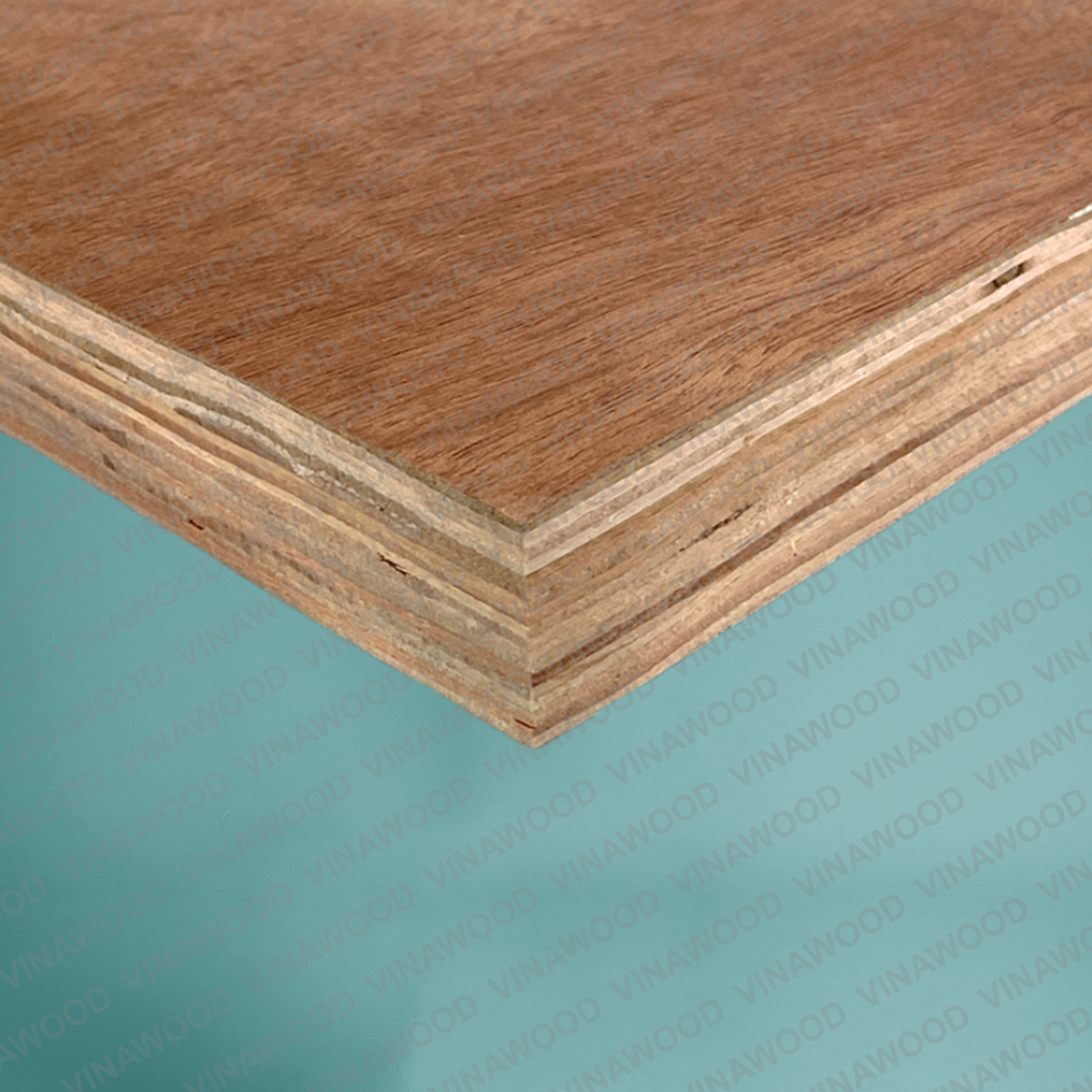
Marine plywood in the local market means a denser, more moisture-tolerant panel, but the Philippine retail label "marine" is looser than the strict British Standard. A true BS 1088 marine panel has a void-free core and a fully waterproof bond; much of what sells as "marine" here is a better-glued, better-core board rather than a certified BS 1088 sheet. It earns its premium on wet-area work, but ask what standard the panel actually meets. Our guide to what marine plywood is covers the BS 1088 definition, and marine versus regular plywood sorts out where each belongs.
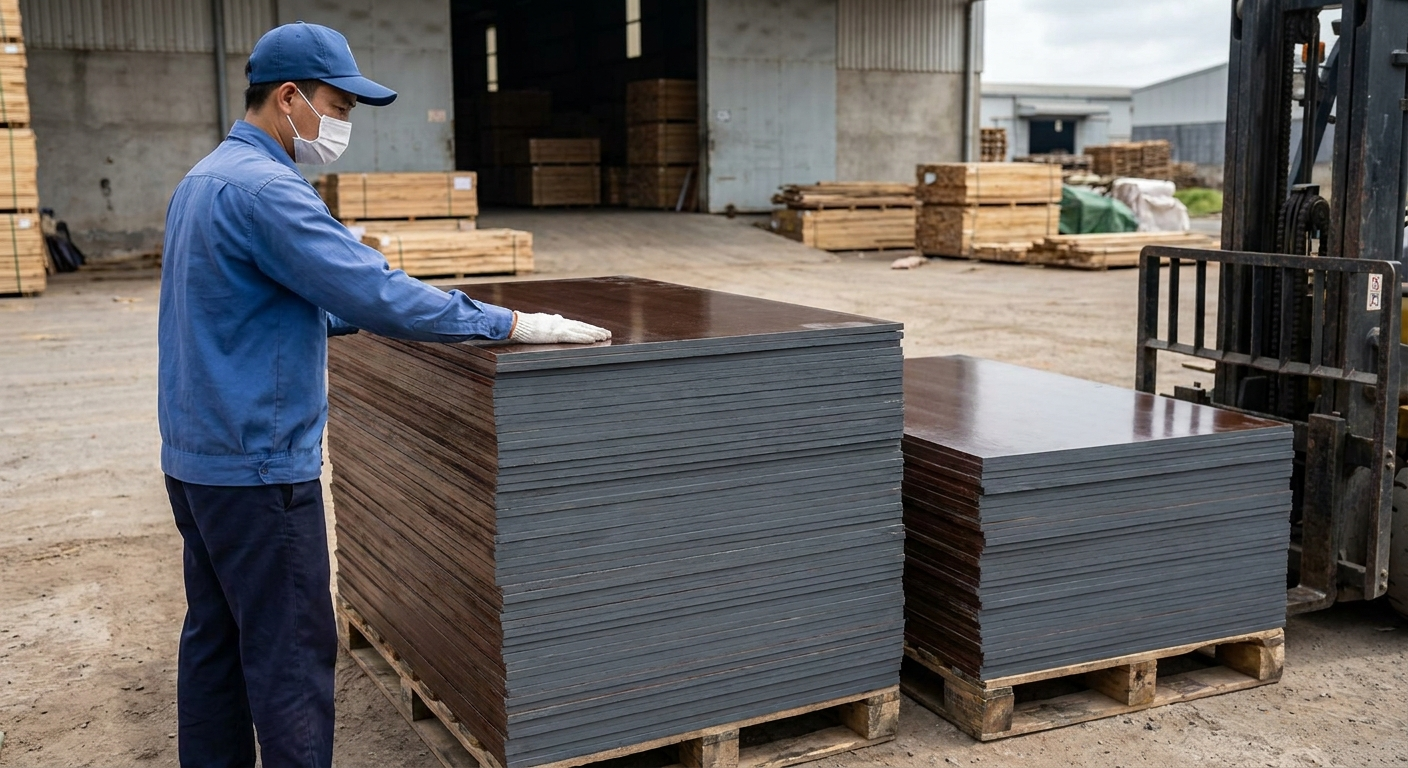
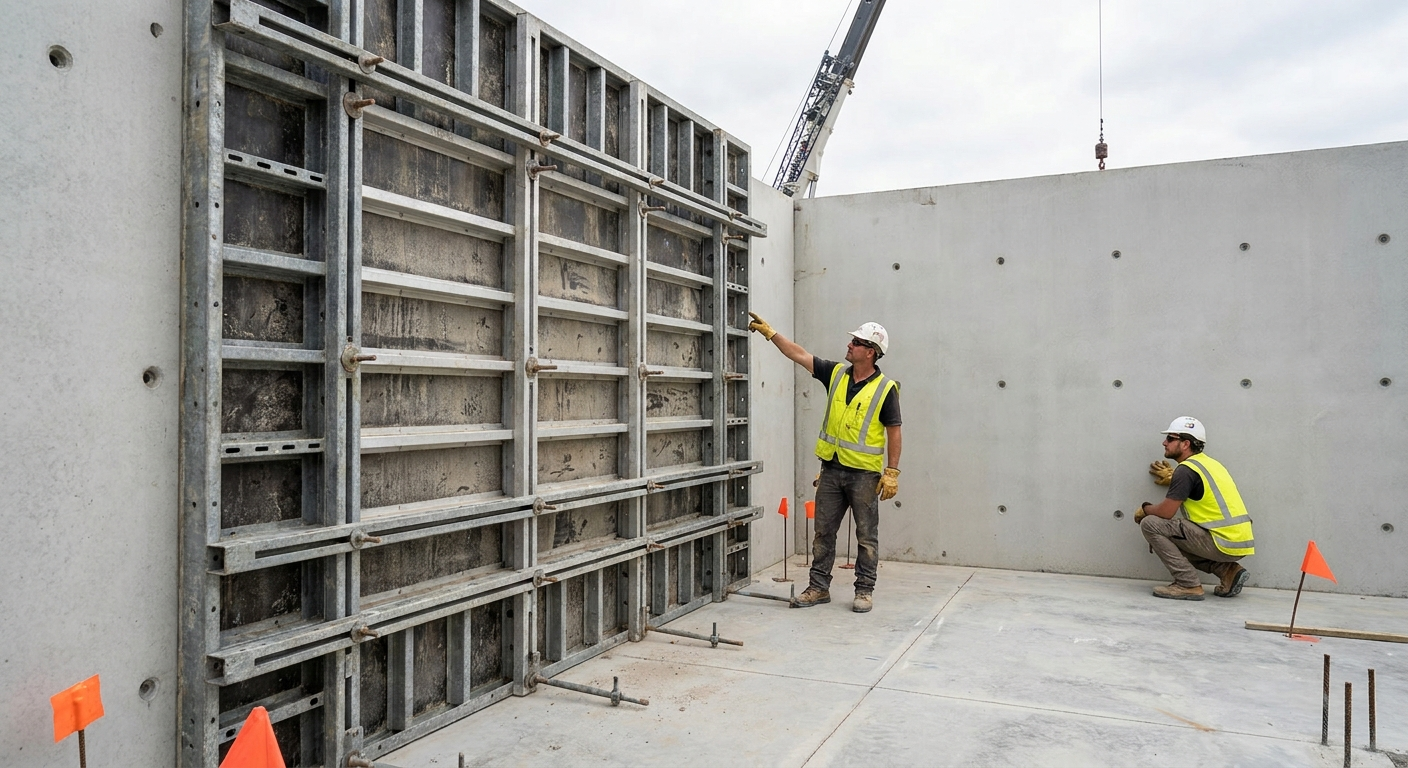
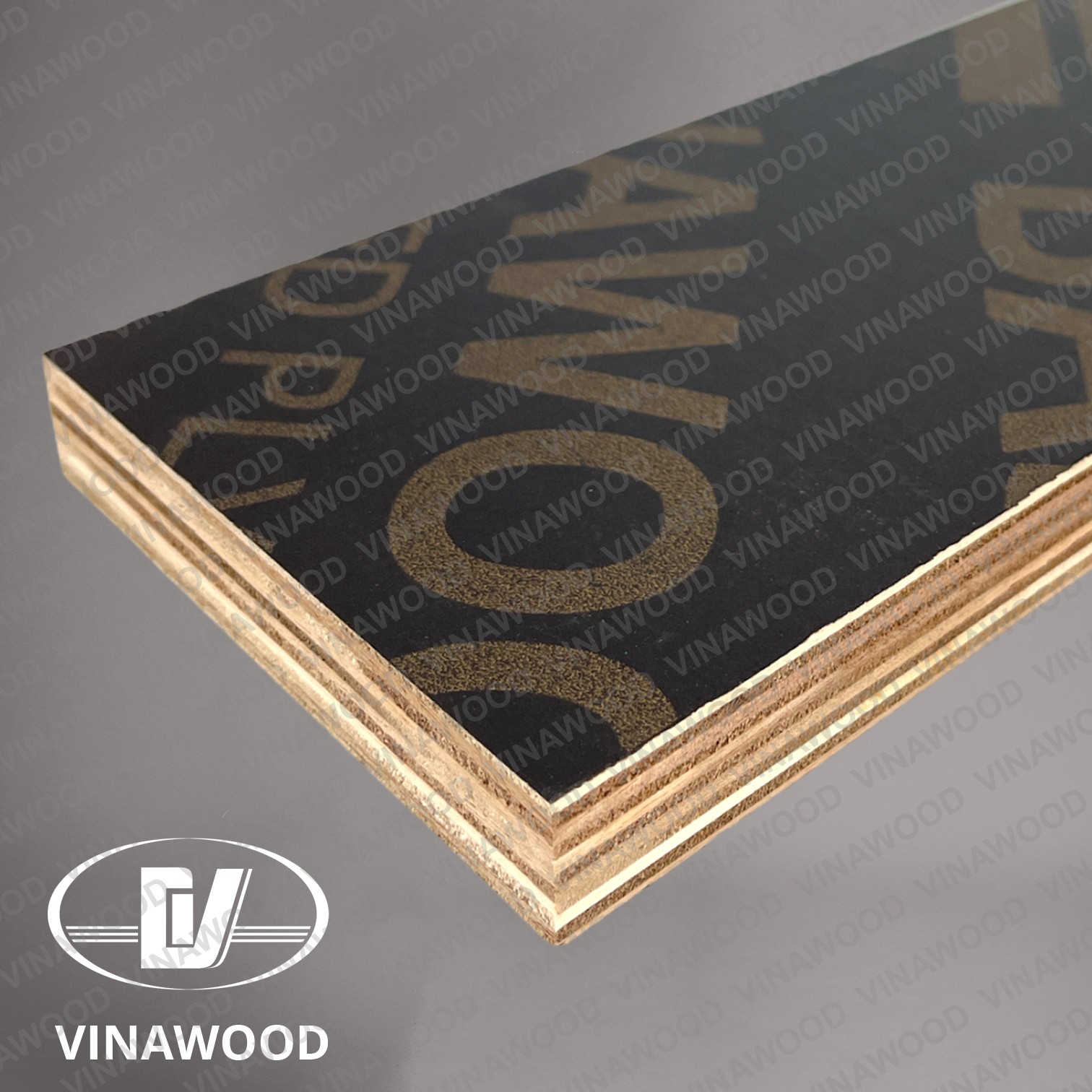
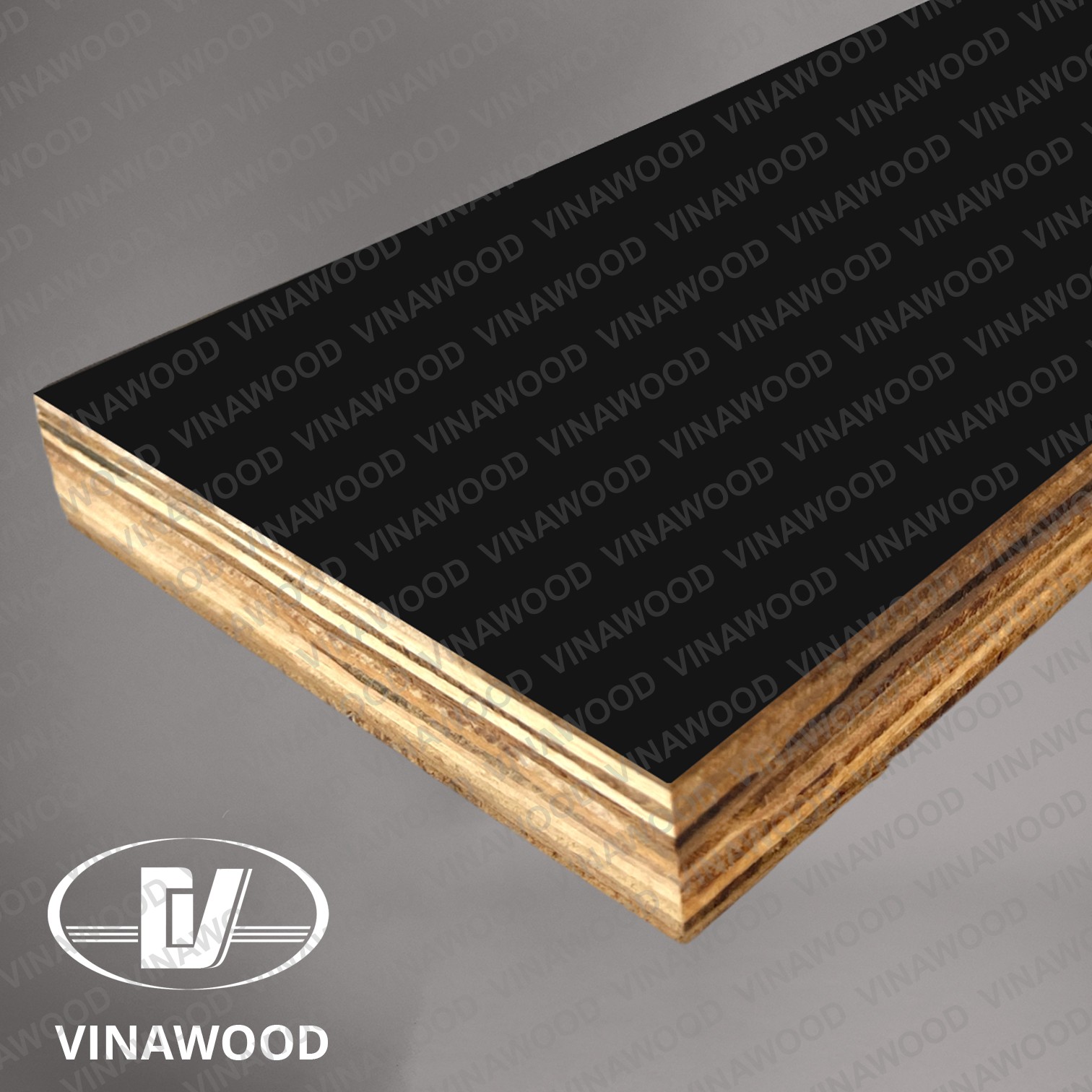
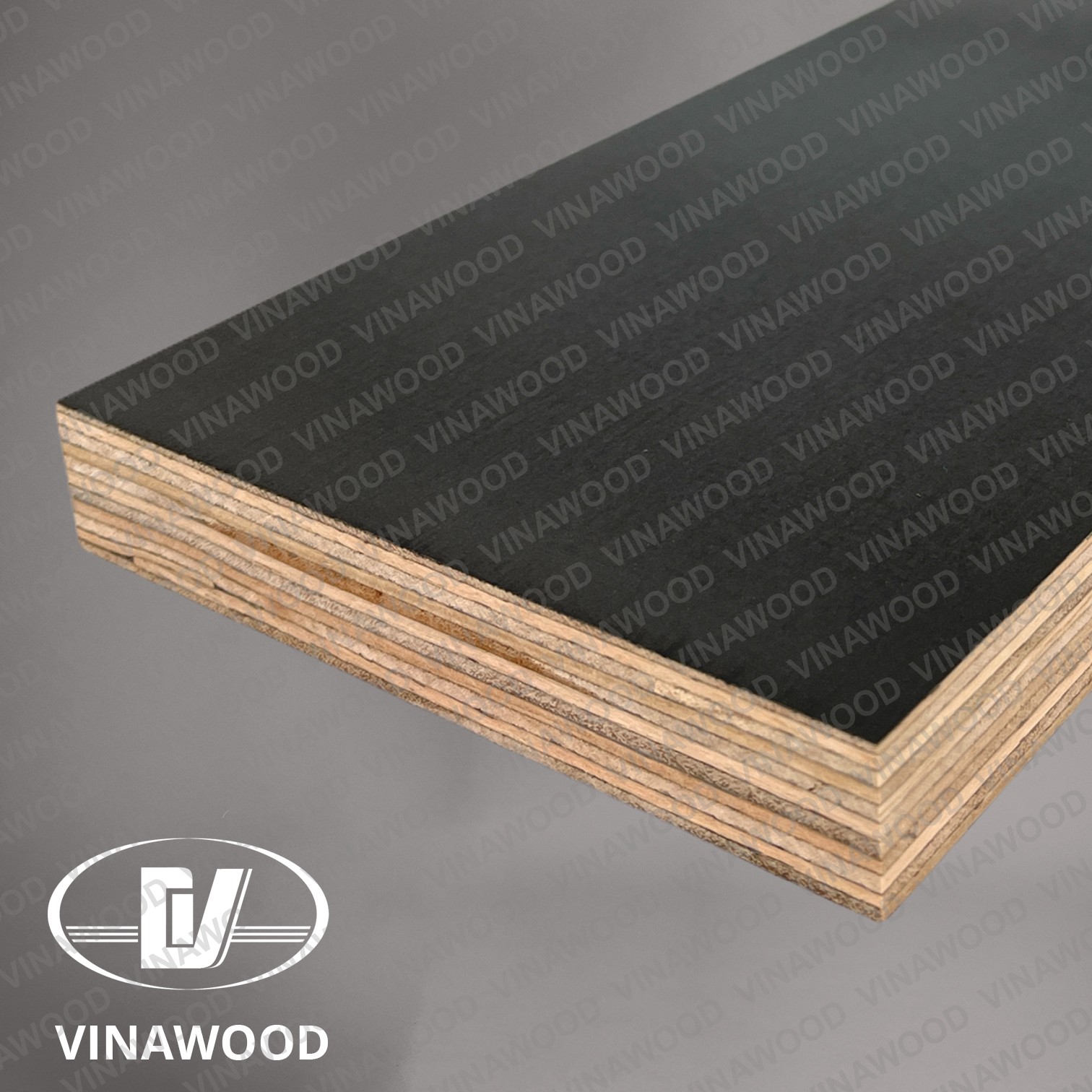
Phenolic film-faced plywood is the formwork board, the dark-faced panel used to cast concrete. Here the glue line matters most: only the phenolic film-faced tier uses a true WBP phenolic, EN 636-3 Class 3 bond. The melamine-bonded ranges that also carry a film are Class 2, not Class 3. So a "marine" or "phenolic-looking" sheet is not automatically phenolic-bonded. The face film and the core adhesive are two different things, and only the genuine phenolic board carries the Class 3 bond that survives the alkaline, wet, repeated-pour life of formwork.
Price by thickness
Within any one type, thickness is the main lever on price, because a thicker sheet is simply more plies and more wood. The common ladder, with the local thickness call-outs:
| Call-out | Nominal | Typical use |
|---|---|---|
| 1/8" | ≈3 mm | Backing panels, drawer bottoms, lining |
| 1/4" | ≈5 mm | Ceilings, light partitions, furniture backs |
| 1/2" | ≈10 mm | Cabinet carcasses, mid-weight casework |
| 3/4" | ≈18 mm | Subfloor, structural casework, formwork, shelving |
One detail that catches buyers: Philippine thickness call-outs often run slightly under nominal. A sheet sold as "1/2 inch" can measure closer to 9 mm than the full 12.7 mm a strict 1/2 inch implies. That is normal market practice rather than a defect, but it matters when a spec or a load calculation depends on the real caliper. Check the panel with a caliper if the thickness is structural. For how sheet sizes and thicknesses are quoted locally, see our plywood sizes reference.
What drives the price
Five factors explain most of the spread between two sheets that look alike at the rack.
Core species and density. Plantation-grown hardwood cores, acacia and eucalyptus from managed plantations, give a denser, heavier, stronger board than a soft light-core sheet. Density runs Hevea above Eucalyptus above Acacia, and acacia is a mainstream plantation hardwood, not a lesser substitute. A heavier sheet of the same thickness usually signals a fuller, less-voided core, and it costs more because there is more wood in it.
Glue type. Urea (ordinary) is cheapest, melamine (Class 2) sits in the middle, and WBP phenolic (Class 3) is the most expensive bond. The glue line is most of the gap between an ordinary sheet and a phenolic board.
Face grade. A clean, sanded, patch-free face costs more than a rough utility face with open knots and football patches. Pay for the grade the job can see; a hidden carcass does not need an A-grade face.
Brand tier and channel. A named brand at a national chain carries a markup a provincial stall does not. We ship into Philippine ports often enough to see the pattern from the mill side: the buyers who get burned are rarely the ones who paid a little too much. They are the ones who bought an interior ordinary sheet for a wet application because the price looked right, then replaced it within a season.
Region. Metro Manila pricing tends to run below provincial pricing on common sheets because of volume and competition, while remote provinces carry a freight premium. The same sheet can differ 10–20% between NCR and a far province.
Where to buy — and how the channels compare
The channel decides both the price and the service around it.
National chains (CitiHardware, Wilcon and similar) give consistent stock, posted prices, and delivery, at a markup. Best for a known spec in a hurry.
Provincial and neighborhood hardware stores are convenient for small quantities and can be cheaper on ordinary sheets, but grade and consistency vary lot to lot.
Online marketplaces (Lazada, Shopee) post per-sheet prices that are easy to compare, though shipping on a heavy 4×8 sheet erodes the saving and you cannot inspect the panel first.
Wholesalers and lumberyards reward volume with better per-sheet pricing for contractors buying by the bundle.
Factory-direct import is the channel most retail pages never mention, and it is where project-scale buyers save the most.
Volume and project-scale procurement
For a project that needs plywood by the hundreds of sheets, container-direct import from a Vietnamese mill changes the math. A single 40-foot high-cube container carries roughly 600 sheets of 18 mm plywood, and at that scale the landed cost typically runs 25–35% below Philippine retail for an equivalent grade. The trade-off is lead time: plan on 30–45 days from order to port, plus the working capital to commit a full container.
This is the same framing that holds for marine board. Our marine plywood price in the Philippines page works through the marine-specific numbers, and the broader marine plywood price guide gives global context. Direct import is not for a homeowner buying ten sheets; it is for the builder, fabricator, or trader moving volume who can absorb the lead time to capture the margin.
How to judge quality at the price point
You can read a lot from the sheet itself before you pay. Four quick checks:
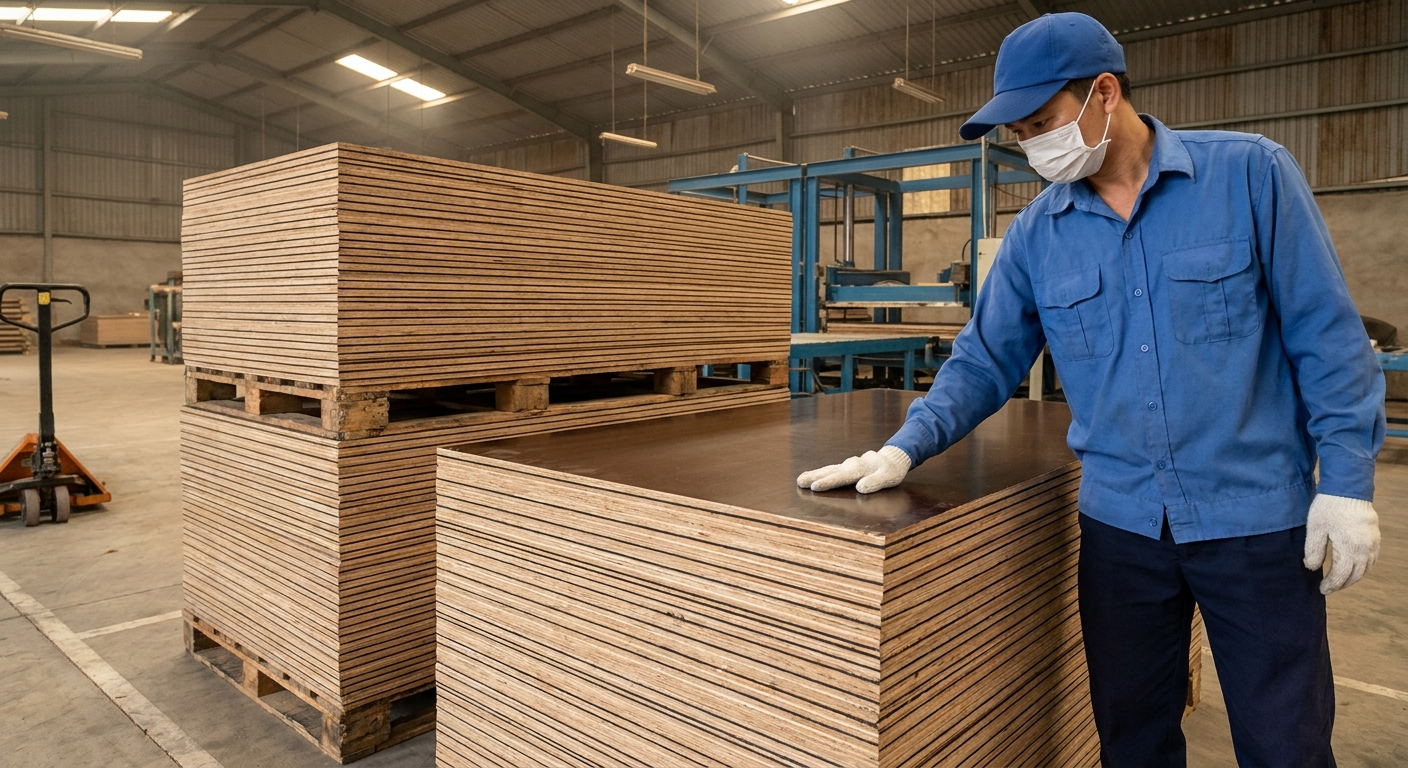
- Edge and glue line. Look at the cut edge. A dark, continuous glue line points to a phenolic bond; a light or whitish line points to melamine or urea. Continuous, even glue lines beat patchy ones.
- Core. Some core gaps are normal and within tolerance. A few small voids do not make a sheet defective. What you want to avoid is large, frequent voids that show as hollow runs along the edge.
- Face and weight. A smooth, well-sanded face and a heft that matches the thickness both signal a fuller core. A sheet that feels light for its size usually has a soft or voided core.
- Corners. Crisp, square corners that are not delaminating. Lifting or splitting at a corner usually traces back to wet storage or rough handling rather than a manufacturing fault, so check how the stock was kept.
Quick Reference
| Type × thickness | Indicative ₱ (4×8 sheet) | Right for |
|---|---|---|
| Ordinary 1/4" | ₱350–450 | Ceilings, partitions, dry interior |
| Ordinary 1/2" | ₱650–800 | Cabinet carcasses, dry casework |
| Ordinary 3/4" | ₱1,000–1,200 | Shelving, dry structural casework |
| Marine 1/2" | ₱800–950 | Kitchens, baths, wet-area cabinetry |
| Marine 3/4" | ₱1,200–1,400 | Wet-area structural, exterior-adjacent |
| Phenolic film-faced 18 mm | ₱900–1,300+ per board | Concrete formwork, reuse work |
All figures indicative for 2026 and subject to retailer, region, and date. Confirm a live quote before buying.
About Vinawood
Vinawood is a Vietnamese plywood manufacturer founded in 1992, exporting more than 5,000 containers a year to 55+ countries, the Philippines among them through container-direct shipment. For Philippine project buyers, the relevant ranges are the film-faced formwork line and the marine line. The film-faced range spans Form Basic and Form Extra (WBP melamine, EN 636-2, up to 10 and up to 15 reuses) and Pro Form (WBP phenolic, EN 636-3 Class 3, up to 20 reuses), gathered in the film-faced plywood collection. The marine plywood collection covers the moisture-grade panels. Certifications include EPA TSCA Title VI / CARB Phase 2, CE under EN 13986, FSC chain-of-custody, and ISO 9001. For a container quote or technical data sheets, see vinawoodltd.com.
Category
guides
Related Markets
Related Countries
Related Products
▶Sources & References (3)
- Construction Material Prices in the Philippines — PHILCON Prices (2026)
- Plywood Price List Philippines — TheProjectEstimate.com (2026)
- BS 1088-1 — Marine plywood. Requirements — British Standards Institution (2018)