
Blog
Industry insights, how-to guides, and the latest news from the world of plywood and wood products.
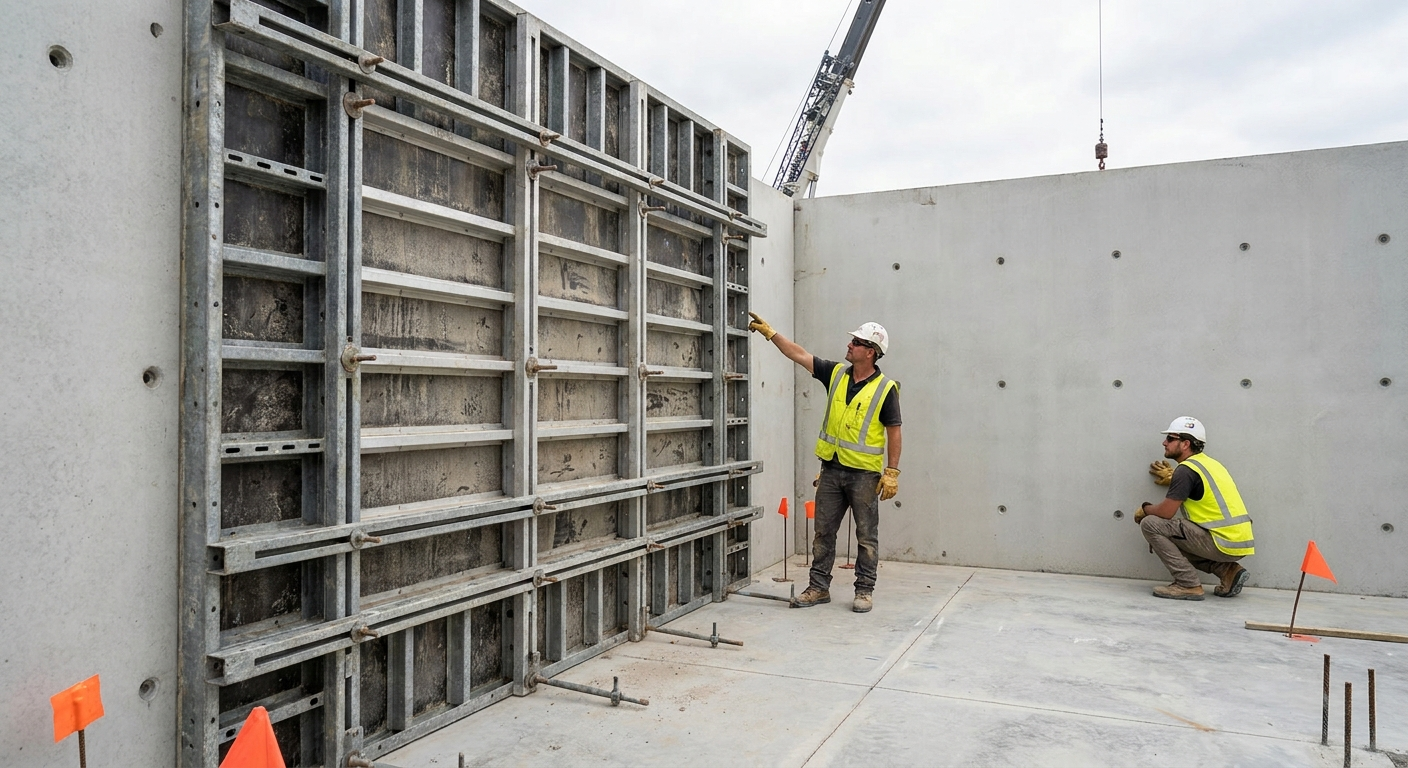
Formwork Plywood Design Basics: Concrete Pressure, Panel Deflection & Tie Spacing
Formwork plywood design comes down to three things the panel spec answers to: fresh concrete lateral pressure,…
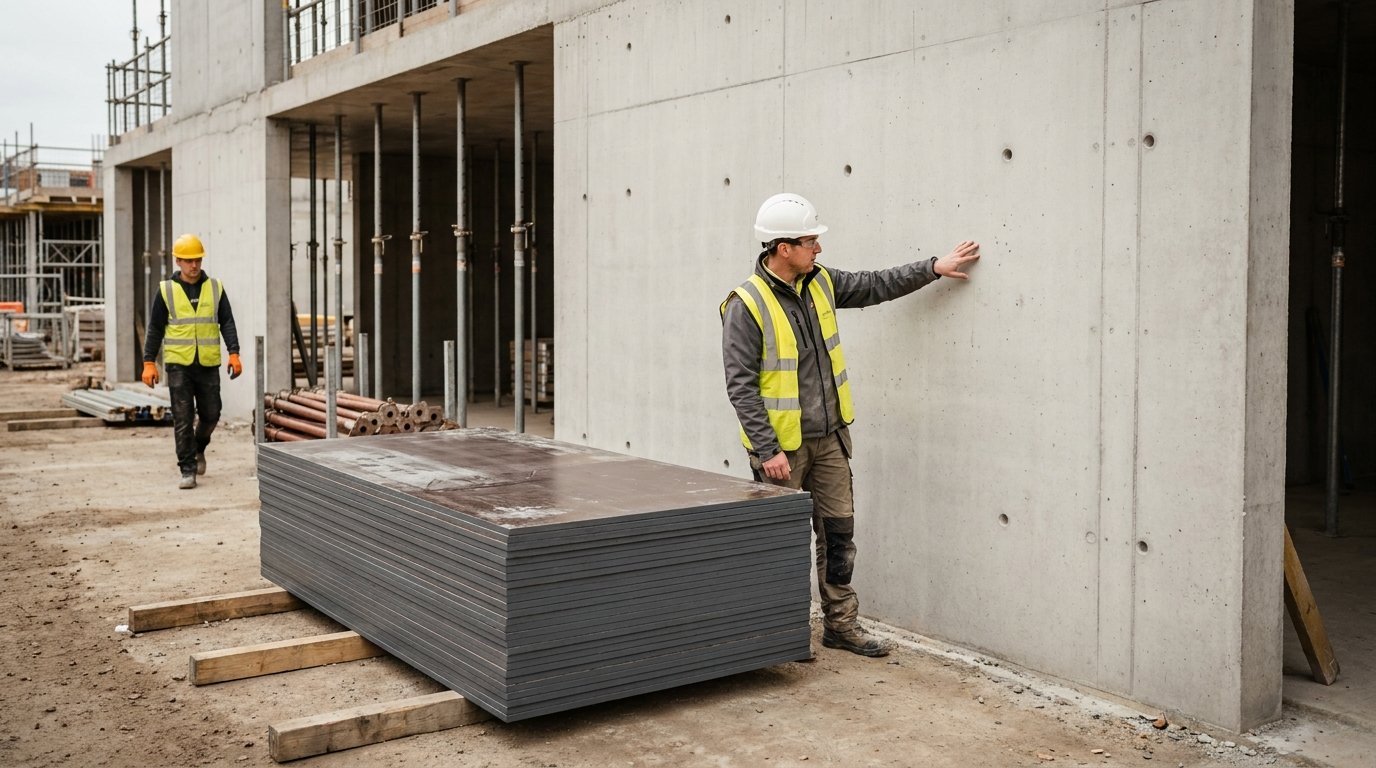
When to Remove Concrete Formwork: Stripping Times by Element
When to remove concrete formwork: strip a strength, not a calendar day. Vertical faces, soffits, and props follow…
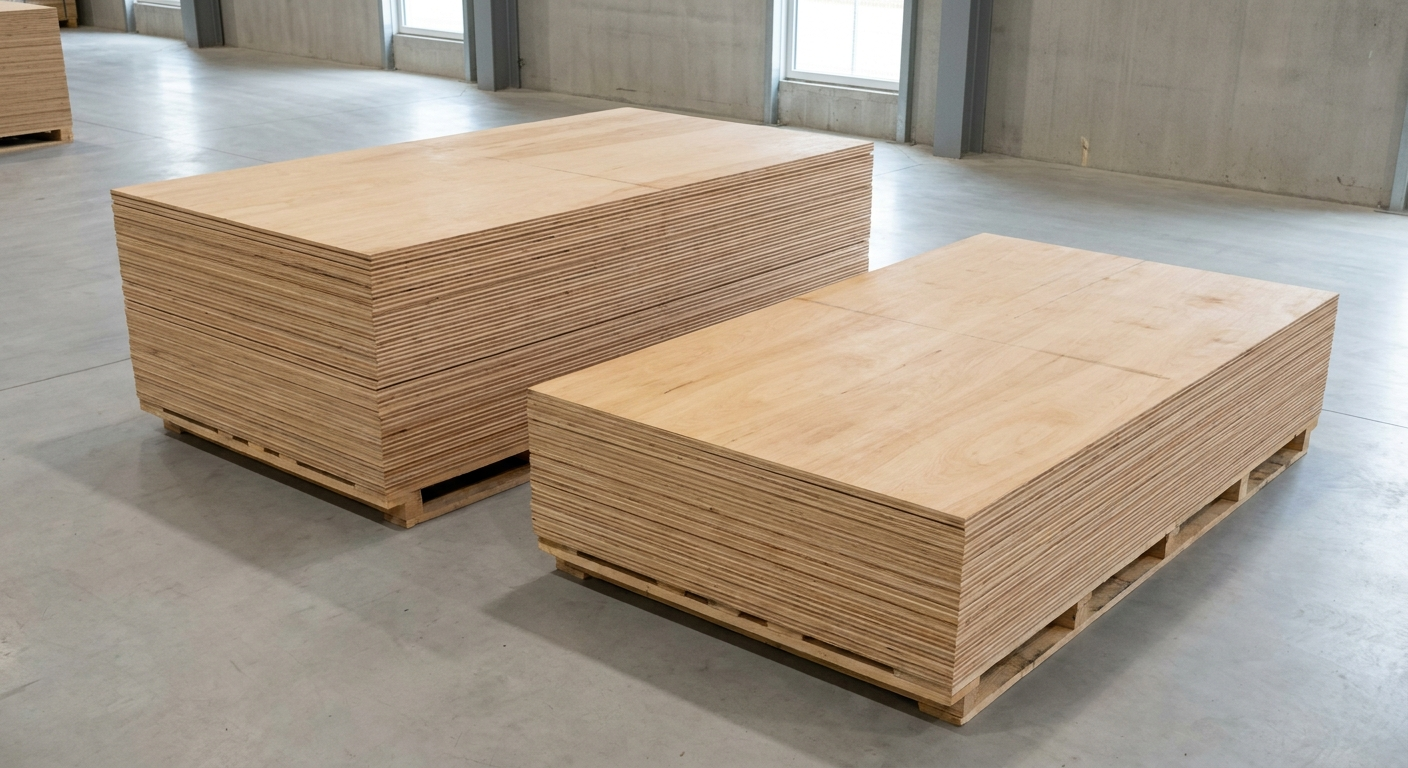
How to Store Plywood So It Doesn't Warp: A Manufacturer's Guide
How to store plywood so it stays flat: store flat and fully supported, raise it off the floor, control uneven moisture,…
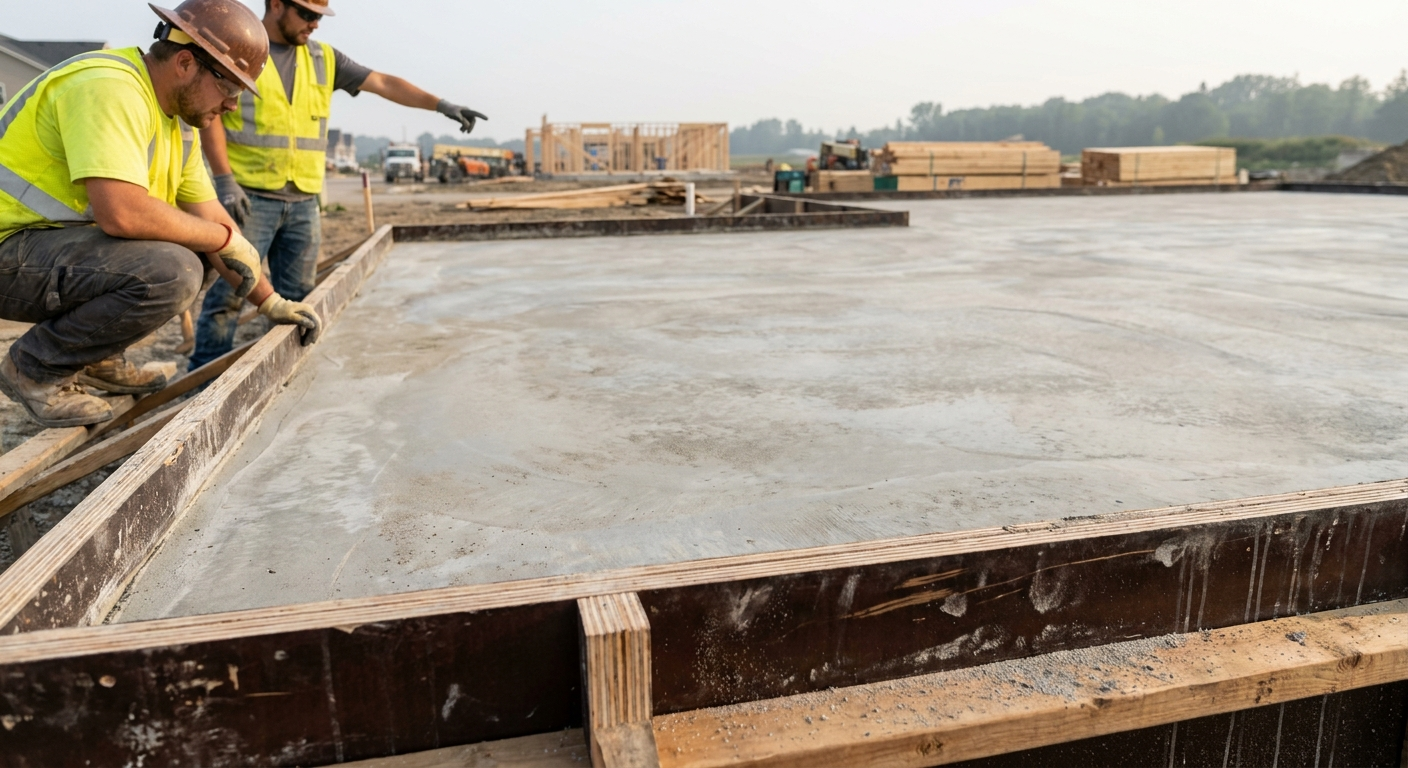
Concrete Discoloration: Why It Happens and Whether You Should Worry
Concrete discoloration is uneven surface color — blotches, dark spots, leopard spots. On new concrete it is usually…
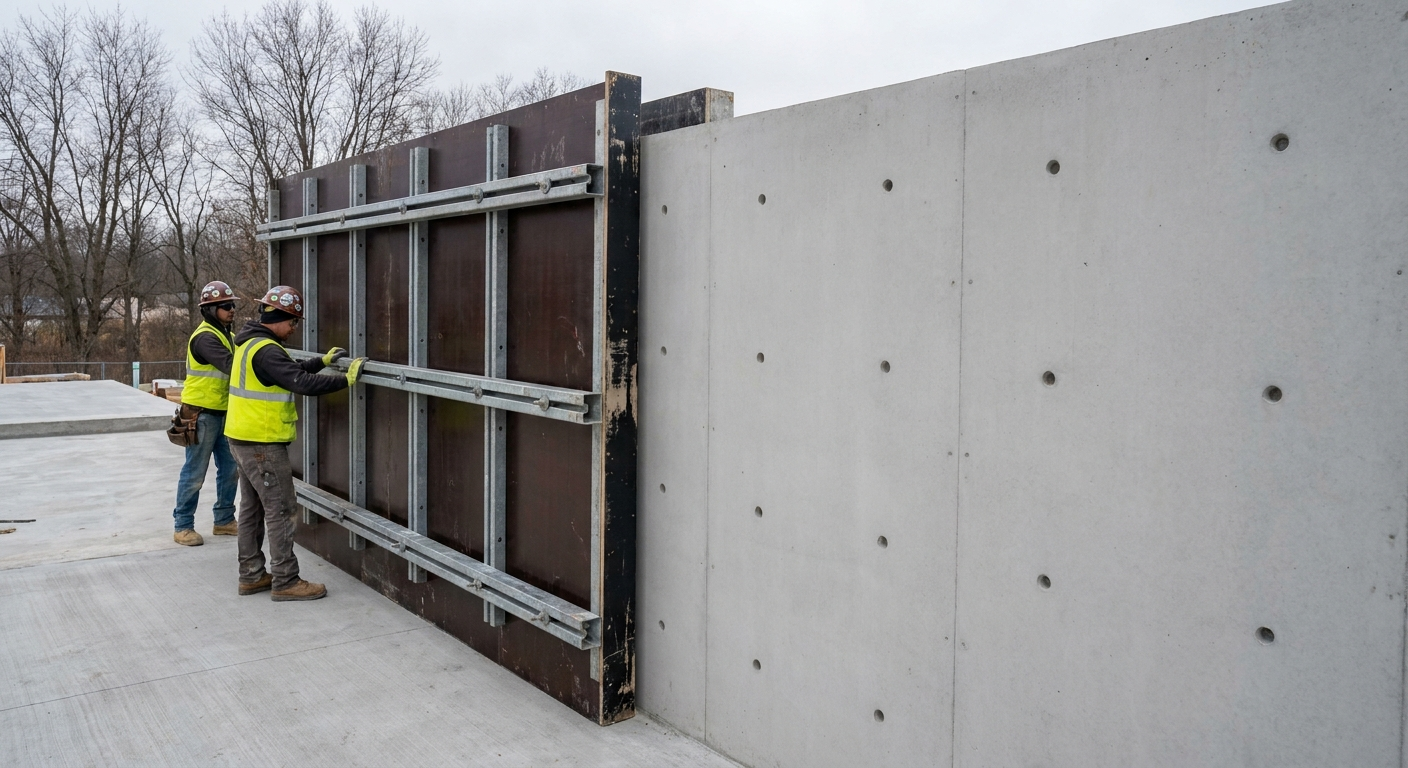
Concrete Scaling: Causes, Severity Levels, and How to Prevent It
Concrete scaling is the flaking or peeling of the hardened surface mortar, driven mainly by freeze-thaw and de-icing…

Concrete Pitting: Causes, Prevention & When It Signals a Real Problem
Concrete pitting is a scatter of small surface craters, driven mostly by the mix, finishing, de-icing salt and trapped…

Concrete Crazing: What Those Fine Surface Cracks Mean (and What They Don't)
Concrete crazing is a fine, shallow web of map or alligator cracks on a concrete surface. It is cosmetic, not…
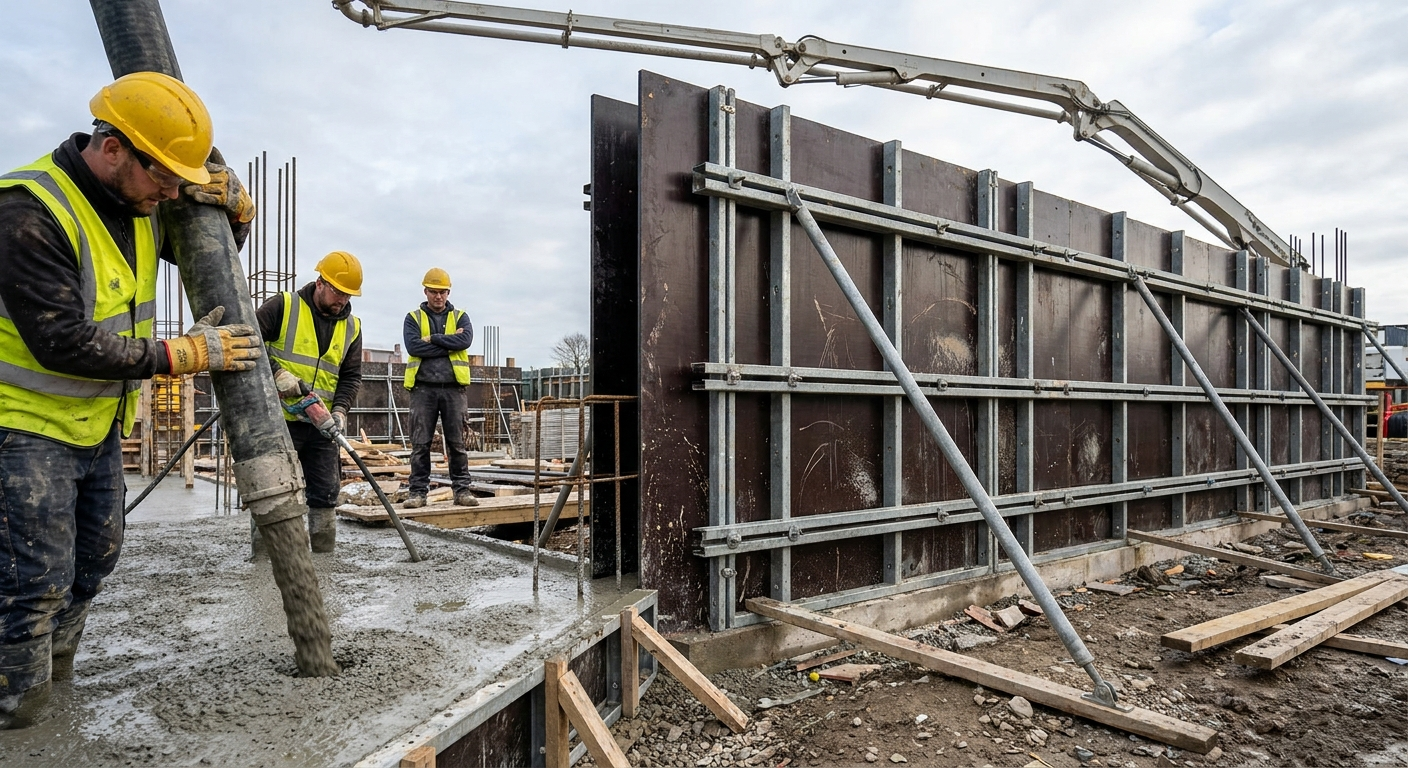
Concrete Blistering: Causes, Prevention, Repair — and Where Formwork Actually Fits
Concrete blistering is hollow surface bumps on a troweled slab, caused by sealing the surface too early over rising…
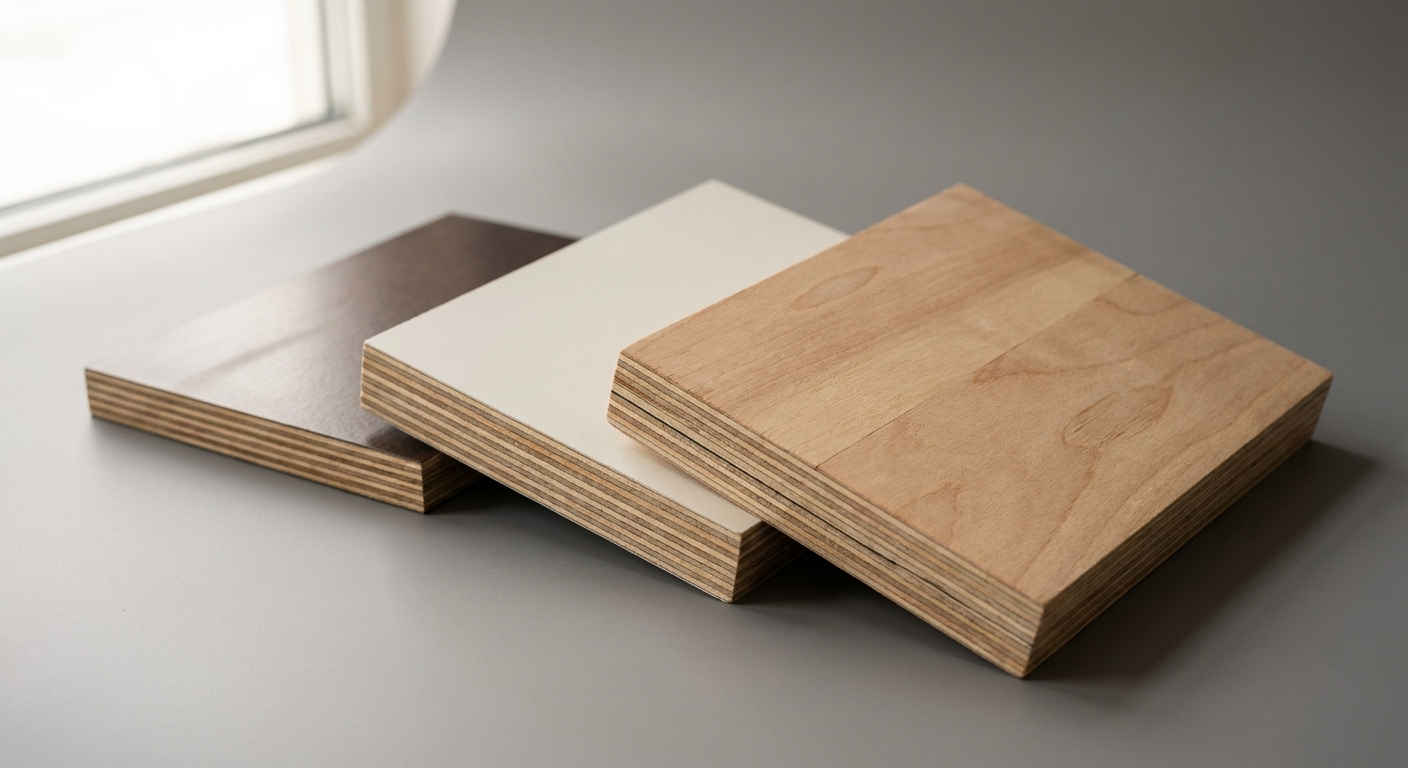
Best Paint for Plywood: How to Choose and Apply It (Interior, Exterior, Floors)
Which paint to use on plywood depends on where the panel lives and how it was prepped. This guide grades paint by…
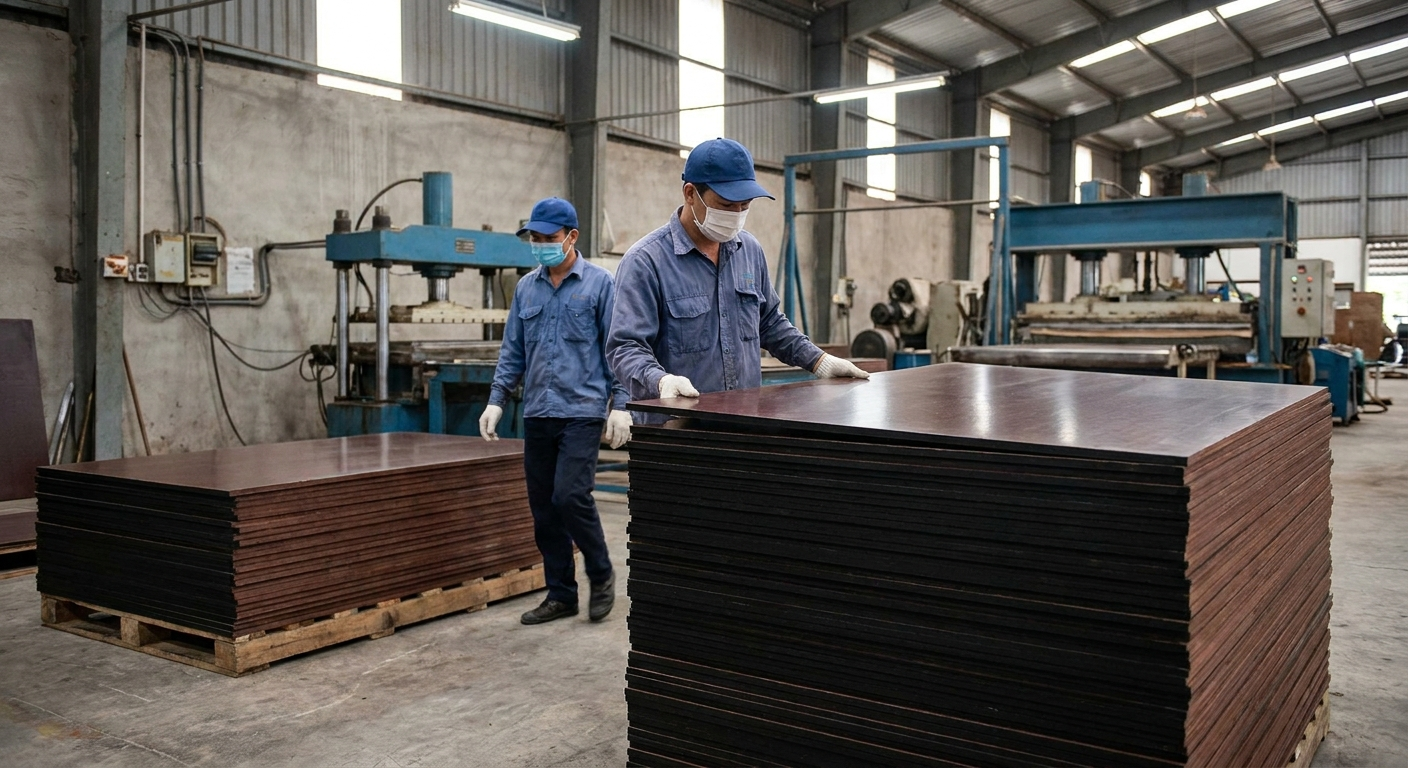
Concrete Delamination: Why the Surface Separates and Where Forming Fits In
Concrete delamination is a thin troweled top layer separating from sound concrete below, usually because the surface was…
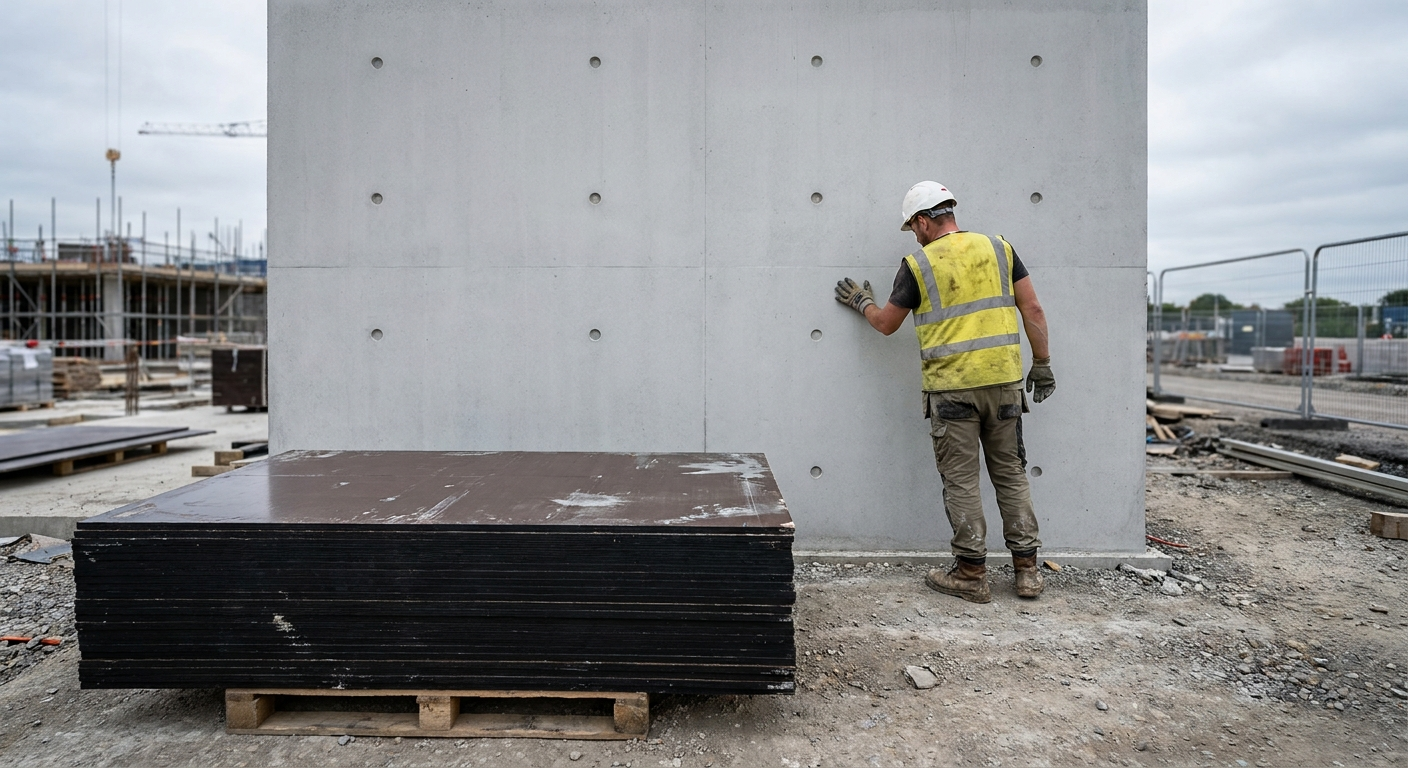
Concrete Pop-Outs: Causes, Prevention, and the Form-Face Connection
Concrete pop-outs are small cone-shaped craters left when a reactive aggregate particle near the surface fractures the…
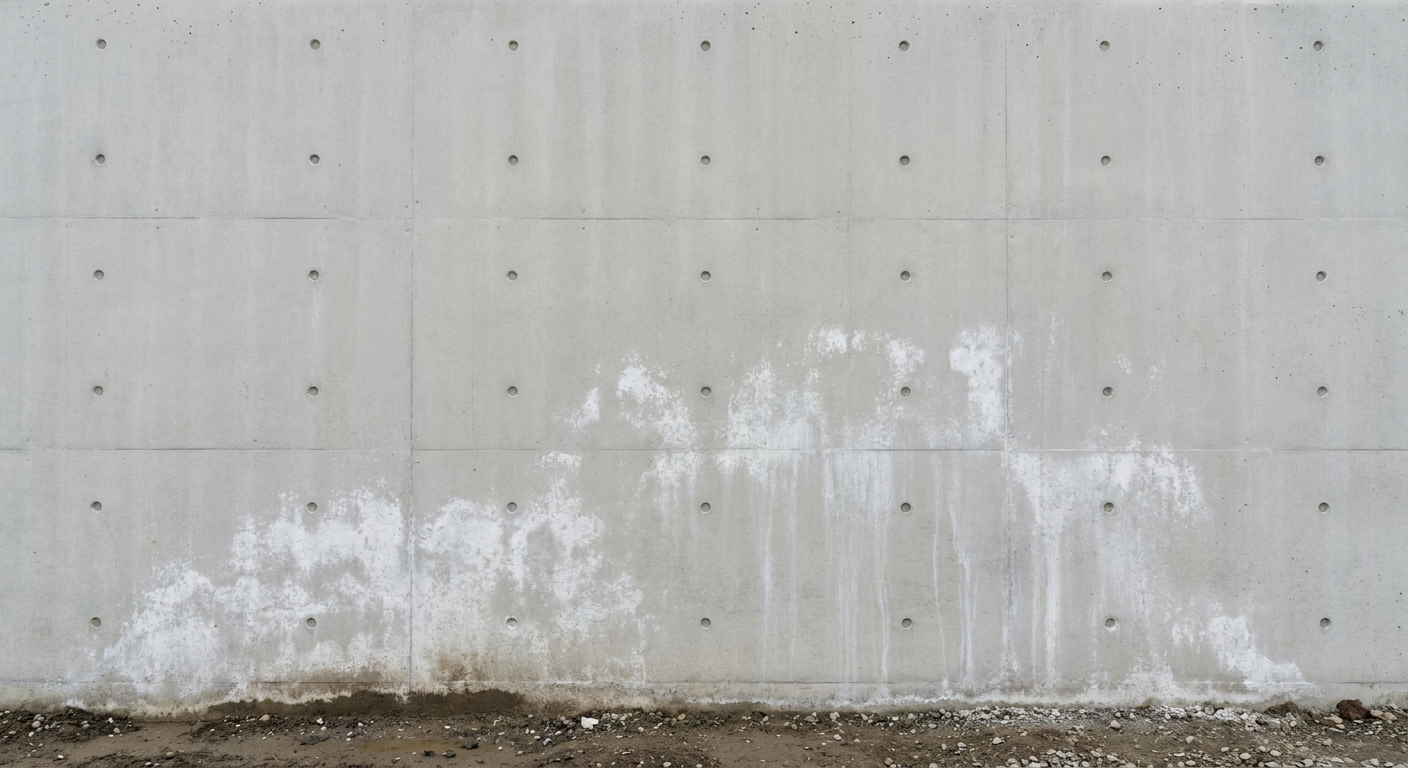
Concrete Efflorescence: What the White Residue Means and How to Handle It
Efflorescence is the white residue that soluble salts leave on concrete when moisture carries them to the surface and…